

Cecilia Strzyzowski: the femicide case that brought down a Chaco political clan
 Martina JaureguyNovember 22, 20255 Mins read
Cecilia Strzyzowski used to run a café in the northeastern Argentine province of Chaco. But in June 2023, she packed her suitcase with the belongings she would need to start a new life in Ushuaia, four thousand kilometers south, with her partner, César Sena. César’s parents were politicians and social leaders who held such power in and around Resistencia, the provincial capital, that they had a neighborhood built and named after his father, Emerenciano Sena. The family had strong ties to Peronist Chaco Governor Jorge Capitanich; at the time, Emerenciano was running for provincial deputy and his mother, Marcela Acuña, for mayor of Resistencia. On the morning of June 2, security camera footage shows Cecilia, 28, entering one of the Sena family’s houses with César, who was 19 at the time. She was never seen again. Who was convicted of murdering Cecilia? Earlier this month, a jury found César, Emerenciano, Acuña, and three of their assistants guilty of murdering her and attempting to hide the deed. They will be sentenced next Wednesday. César was convicted of aggravated homicide. Acuña and Emerenciano were found to have acted as his primary accomplices, and three of the family’s assistants were convicted of helping cover up the killing. In a tearful statement to the press after the verdict, Cecilia’s mother, Gloria Romero, said that since reporting the disappearance, she had lived in fear that people linked to the Senas would harm her other daughter. “Often, I used to regret reporting them… I would say, if they kill me, it doesn’t matter, but [my other daughter] deserves better, and I put her at risk, and she’s supposed to be what I protect most.” Why was Cecilia’s killing so shocking? The case outraged the public, not only because of the killing of a young woman, but also because of the family’s political ties. Emerenciano started out as a construction worker, but in the late 1990s and early 2000s, he started to join roadblock protests organized by unemployed people suffering the economic twilight years of Menemism — groups that would become known as piqueteros (picketers). Through the piqueteros, he became an important social leader in Chaco, managing to secure state aid and subsidies, work that earned him significant respect and social status. In 2007, when Capitanich became governor, Emerenciano was put in charge of a social housing project of over 500 houses, which later became the Emerenciano Sena neighborhood. From there on, he remained a key ally for the provincial government, acting as a link with the community. The Senas were removed from the ballot of Capitanich’s Frente Chaqueño coalition for the 2023 local elections after Cecilia’s disappearance. Capitanich ran for reelection and topped the primaries that same month but ultimately lost the governorship to Leandro Zdero. What do we know about Cecilia’s final days? Cecilia was last seen alive on the day that César had promised her they would set off for Ushuaia. In reality, he never booked the journey. The court’s verdict was that, far from travelling to Tierra del Fuego, she never left the Senas’ house. Security footage shows César’s parents arriving there at around noon and then leaving later that day, without Cecilia. For four days, Cecilia’s family chatted via text with someone they believed was her before police went to Romero’s house to tell her they had received a tip-off that something had happened to her daughter. The family reported her missing on June 6, and a huge search operation began. Suspicion quickly fell on the Senas. Police raided several of their properties. What they found was damning: blood, which tests confirmed was Cecilia’s, and fragments of bone. However, there was no sign of her body. The exact time of the murder is unclear, but the security tape’s time stamps suggest César killed Cecilia on his own, and that his parents arrived later to help him clear up the crime scene and get rid of her body. César had visible scratches on his neck, indicating that Cecilia tried to resist. Investigators believe the family planned her murder in advance, although the parents claimed they had no idea what had happened and claimed they were innocent. How did the Senas cover up the killing? After the parents arrived, they got to work disposing of Cecilia’s body and any evidence they thought would link back to the crime. Security videos show driver and private assistant Gustavo Obregón removing black bags from the house, which investigators concluded contained Cecilia’s remains. He and César took them to a field and incinerated them. Three weeks after Cecilia disappeared, Anahí Ginarte, of the Argentine Forensic Anthropology Team, found several fragments of bone from a woman’s body in the field where Obregón took the bags. They had been burned for so long that all DNA had been destroyed, meaning the team could not identify them. Ginarte, who gave evidence during the trial, said that this appeared to be intentional. They could not prove the bones were Cecilia’s, but other evidence soon turned up. Her wallet and pieces of credit cards bearing her name were discovered in the field. Investigators also found her jewelry, which had likewise been burned, and pieces of the suitcase she had packed to begin her new life in Ushuaia. Then, there was the blood at the Senas’ home. The room where Cecilia is believed to have been killed was covered in it: on the floor, on the bed frame, and on the mattress. Just days after the murder, the Sena family sent the bed, the mattress, and other furniture from the room to a home in the Emerenciano Sena neighborhood, on the pretext that it was a donation for the poor families living there. Investigators believe Marcela Acuña called her secretary, political collaborator, and right-hand woman, Fabiana González, to help clean the crime scene and coordinate the transfer of the furniture. CCTV footage showed Obregón driving a truck with the furniture in it. González and Obregón were convicted of covering up the crime. In 2023, they, too, were removed from the Frente Chaqueño ballot after being arrested as suspects. A field watchman, Gustavo Melgarejo, was also convicted of covering up the crime for guarding the fire in which Cecilia’s remains were burned. Melgarejo’s co-worker Griselda Reinoso, who was the seventh person in the dock, was acquitted due to lack of evidence of her involvement. Why was Cecilia killed? The court did not determine why César killed Cecilia, although prosecutors believe it may have been related to the Sena parents’ opposition to their son’s relationship. The couple had gotten married in September 2022 but then sought a divorce within days because of family pressure. “The young man was under significant control from his parents, not only financially but also in crucial life decisions,” the prosecutors said during the trial. It is the first time a jury in Chaco province has delivered a guilty verdict without the victim’s body or death certificate. The prosecutors said they would ask Judge Dolly Fernández to issue a death certificate for Cecilia, explicitly stating that she was a victim of femicide.

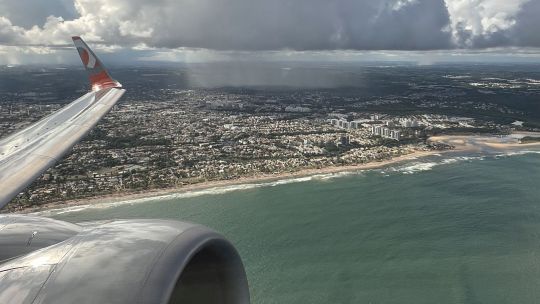
Conectividad regional, auge de escapadas y la pasión por el turismo deportivo del viajero argentino
El pulso del turismo emisivo en la Argentina atraviesa un momento de...
 WindwhistlerOctober 13, 20260
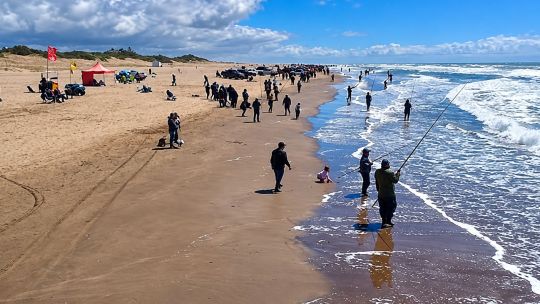
El último tiro cambió todo: pescó un pez elefante y ganó $ 20.000.000
Promediando el cierre de la semana pasada los pronósticos parecían tronchar la...
WindwhistlerOctober 13, 20260
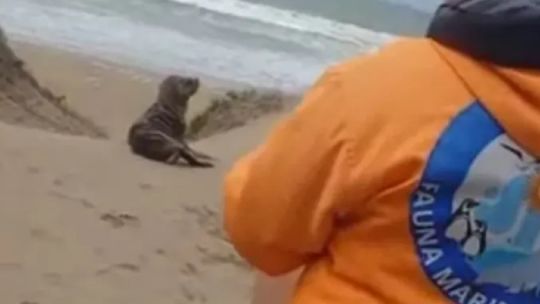
Así rescataron a un cachorrito de lobo marino de un pelo en los médanos de Miramar
Un sorpresivo y emotivo procedimiento de preservación ambiental conmovió por completo a...
WindwhistlerOctober 13, 20260



Proyectan exportaciones récord del agro en 2027, pero advierten que aún faltan dólares para el año electoral
A un año de las elecciones presidenciales, la pregunta sobre si estarán...
WindwhistlerOctober 13, 20260
