

How Lanús won the Copa Sudamericana, bid farewell to a star, and welcomed a new one
 Fernando Romero NunezNovember 24, 20254 Mins read
Lanús won its second international tournament on Saturday, crowned 2025 Copa Sudamericana champions on the last kick of the ball. El Granate may not have as storied an international record as other Argentine teams, but it has come a long way since becoming an established First Division team in the 1990s. In the final at Asunción, it waved goodbye to a beloved player who was key in that process when Lautaro Acosta announced his retirement. Yet, while Acosta donned the team’s maroon jersey for the last time at the Copa Sudamericana final, the match was also the crowning moment for a new star: Rodrigo Castillo. Lanús’ favorite son Born in Glew, in Buenos Aires’ southern outskirts, Acosta spent the vast majority of his professional career at the club, coming up through the youth ranks. For the 37-year-old, Lanús is more than a club, as he admitted in a 2018 interview with Página12. “I was only able to break through thanks to the club,” he said. “They paid my expenses and didn’t charge me membership fees. When my father lost his job, right before the 2001 crisis, the club hired him to do maintenance work and coach the kids teams. My family was going through some rough times and the club was there to help.” Lautaro Acosta on the pitch at the Copa Sudamericana final in Asunción, Paraguay, before announcing his retirement. Cover photo: Lanús celebrate victory. Photos: Diego Von Vacano Affectionately known as “El Laucha,” Acosta was handed his first team debut in 2006, aged 18. The following year, he was a mainstay in the starting eleven of the team that lifted the 2007 Torneo Apertura, the first top-tier league title in Lanús’ history. An agile and skilled winger, his unpredictability and hard work made him a pain for defenders. His performances got the attention of Sevilla FC, where he moved for US$11.7 million in 2008. However, wasn’t able to replicate his form in Spain, struggling with injuries. He eventually returned to Lanús in 2013, where he led the team to the 2013 Copa Sudamericana. That was when Acosta became a cult hero at Lanús, not only for his performances on the pitch but also for his brash, outspoken nature. Never one to shy away from a fight, he openly criticized referees, rivals, and even the competition’s organizers whenever he felt Lanús were put at a disadvantage. “Every game is a life or death affair, so you’ve got to protest about everything, complain about everything,” he said in a 2018 interview with Olé. His role with the team declined with the years, as time slowly robbed him of the speed and flair that had made him such a dangerous player. He spent most of Saturday’s final on the bench. After entering as a substitute, he missed the penalty that could have given Lanús the title earlier in the day. “I’m grateful to this team, life, and my people,” said an emotional Acosta after the final. With six titles, the win made him the most successful player in Lanús’ history. “It is the dream ending to my career.” Who is Rodrigo Castillo? Luckily for Acosta, Rodrigo Castillo, who inherited his spot in the attack, is the ideal man to carry the torch. Standing at nearly 190cm, Castillo is a goalscorer who can also help pass the ball, provide assists, and create chances. Rodrigo Castillo wrangles for the ball during the 2025 Copa Sudamericana final between Lanús and Brazil’s Atlético Mineiro in Asunción, Paraguay. Photo: Diego Von Vacano Unlike Acosta, the 26-year-old didn’t come through the Lanús youth ranks, and had to fight his way through Argentina’s lower tiers. Born in Venado Tuerto, Santa Fe province, Castillo was plucked from his local club by Argentine football giants River Plate aged 19. Having never played youth football professionally, he had to adjust fast to life in Buenos Aires. It looked like he had hit the ground running when he won his age-group title with River in his first year, scoring plenty of goals. However, a promotion to the Reserve squad didn’t pan out as expected. He never got minutes with the first team, and was let go by the Millonarios aged 21. From there, he was picked up by Gimnasia Esgrima La Plata, and sent on loan to Deportivo Madryn in the Argentine second tier. It was there that he finally burst through as a clinical striker, scoring 12 goals in 36 games. After finding success on loan, Gimnasia retained his services. He went on to score 12 goals and provide five assists for El Lobo before earning a move to Lanús for US$1.3 million in June 2025. So far, he has scored 10 goals in 24 games with El Granate, including three in the Copa Sudamericana. “My family always had my back during the toughest times,” he said in an interview after the final, standing alongside his mother, sister, uncles and girlfriend. “I’m incredibly proud to have them here with me today.” Rodrigo Del Castillo shows off his medal post-match. Photo: Diego Von Vacano At 26, Castillo has just started his Lanús stint, but he could start adding titles to his tally very soon. The Granate will take on Tigre in the 2025 Torneo Clausura playoffs on Wednesday, and their goalscorer will surely look to imitate his departing teammate and lead the team to more trophies.

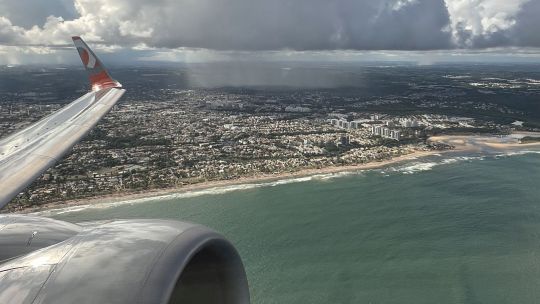
Conectividad regional, auge de escapadas y la pasión por el turismo deportivo del viajero argentino
El pulso del turismo emisivo en la Argentina atraviesa un momento de...
 WindwhistlerOctober 13, 20260
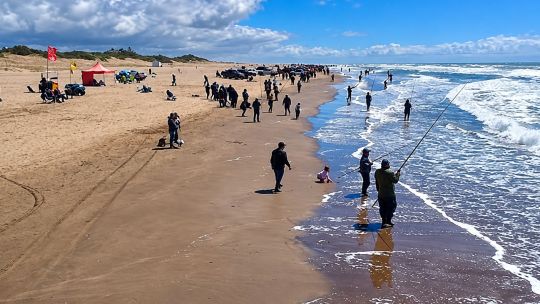
El último tiro cambió todo: pescó un pez elefante y ganó $ 20.000.000
Promediando el cierre de la semana pasada los pronósticos parecían tronchar la...
WindwhistlerOctober 13, 20260
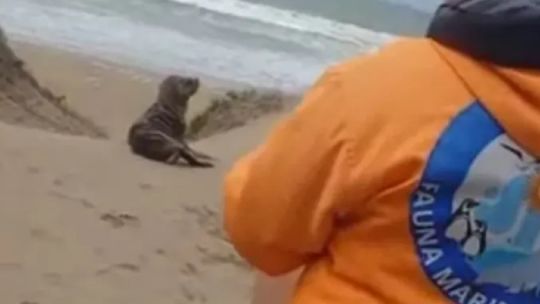
Así rescataron a un cachorrito de lobo marino de un pelo en los médanos de Miramar
Un sorpresivo y emotivo procedimiento de preservación ambiental conmovió por completo a...
WindwhistlerOctober 13, 20260



Proyectan exportaciones récord del agro en 2027, pero advierten que aún faltan dólares para el año electoral
A un año de las elecciones presidenciales, la pregunta sobre si estarán...
WindwhistlerOctober 13, 20260
