
Argentina to adjust currency bands by inflation and accumulate reserves
 Facundo IglesiaDecember 16, 20253 Mins read
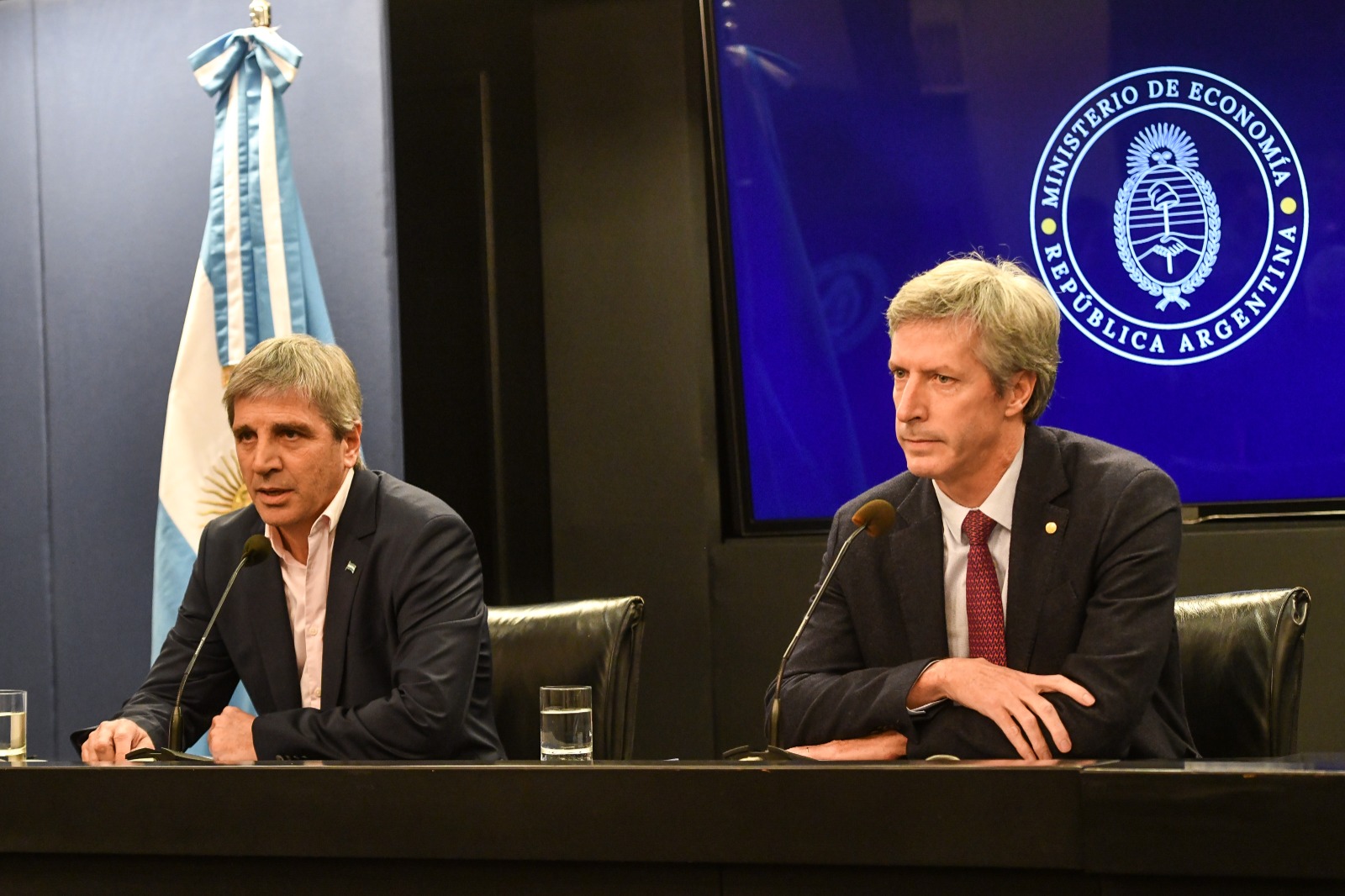
Argentina will adjust its currency exchange bands according to the inflation rate starting in 2026, the Central Bank announced on Monday. The monetary authority will also begin to accumulate international reserves, something it had previously been reluctant to do for fear of driving inflation. “We entered a phase in the economy that will be characterized by growth and remonetization,” Central Bank President Santiago Bausili said at a press conference on Monday afternoon. He called the new policies “very consistent with the downward path of inflation” and said the changes were possible because Argentina’s political scenario had stabilized. The government had a strong performance in the October mid-term elections and became the largest bloc in the Lower House. The International Monetary Fund (IMF), which had been pushing for reserve accumulation and a more flexible exchange rate policy, celebrated the announcement. “We are working closely with the Argentine authorities as they implement these important measures,” IMF spokesperson Julie Kozack wrote on X during the conference. Bausili confirmed co-operation with the Fund, although he clarified that the Argentine government is defining the program. He added that the U.S. Treasury, which bailed Argentina out with a US$20 billion credit line ahead of the October midterms, is also aware of the program. However, he said the U.S. government was interested “mainly as a shareholder in the Fund, not necessarily as a participant with a position in our economic policy measures.” In April, Argentina adopted a banded exchange rate, which allows the U.S. dollar to float between two values. The Central Bank only steps in to contain the value of the peso if it reaches one of the bands — although it has only hit the upper band, not the lower band, since the scheme was adopted. Until now, the upper band rose and the lower band fell by 1% a month. Analysts said this artificially propped up the peso, since inflation has consistently been higher than 1% since the scheme was adopted. From January, Bausili said, the currency bands will instead move each month based on the inflation rate from two months earlier. “The fact that the bands adjust with inflation does not mean that [the exchange rate] will be higher or lower — that will depend on inflation,” said Bausili. However, in the first two months at least, the peso will depreciate more than it would have under the current regime. In January, the upper and lower bands will each move by 2.5%, November’s inflation rate. Consultants surveyed by the Central Bank have estimated inflation at around 2.1% in December. Argentina changes course on reserve accumulation Bausili also announced that the Central Bank will begin to buy and accumulate international reserves. It had refrained from doing so thus far for fear that it would drive inflation. The bank is expecting an increase in the monetary base — that is, the sum of circulating money and deposits — from the current 4.2% to 4.8% of GDP by December 2026. It could meet this supply by purchasing US$10 billion. If money demand grows by 1% of GDP, then purchases would reach US$17 billion. Two weeks ago, President Javier Milei said that if the monetary authority “goes out and buys dollars, the amount of money increases, and that generates inflation.” Bausili, however, said that the purchases would not cause a spike in the exchange rate or inflation. “This is being done in response to an increase in the demand for money,” Bausili said at the conference, adding that “most days, we shouldn’t be surprised that the Central Bank is buying dollars on the [foreign exchange] market,” albeit in a volume that “does not affect the proper functioning and stability of the foreign exchange market.” Bausili also announced that the Central Bank would “normalize” the reserve requirements for banks, which had been increased to record levels to contain inflation ahead of the October legislative elections.

Conectividad regional, auge de escapadas y la pasión por el turismo deportivo del viajero argentino
El pulso del turismo emisivo en la Argentina atraviesa un momento de...
 WindwhistlerOctober 13, 20260

El último tiro cambió todo: pescó un pez elefante y ganó $ 20.000.000
Promediando el cierre de la semana pasada los pronósticos parecían tronchar la...
WindwhistlerOctober 13, 20260

Así rescataron a un cachorrito de lobo marino de un pelo en los médanos de Miramar
Un sorpresivo y emotivo procedimiento de preservación ambiental conmovió por completo a...
WindwhistlerOctober 13, 20260



Proyectan exportaciones récord del agro en 2027, pero advierten que aún faltan dólares para el año electoral
A un año de las elecciones presidenciales, la pregunta sobre si estarán...
WindwhistlerOctober 13, 20260
