
BA Holocaust Museum to analyze boxes with Nazi-era documents found in May
 Martina JaureguyDecember 17, 20252 Mins read
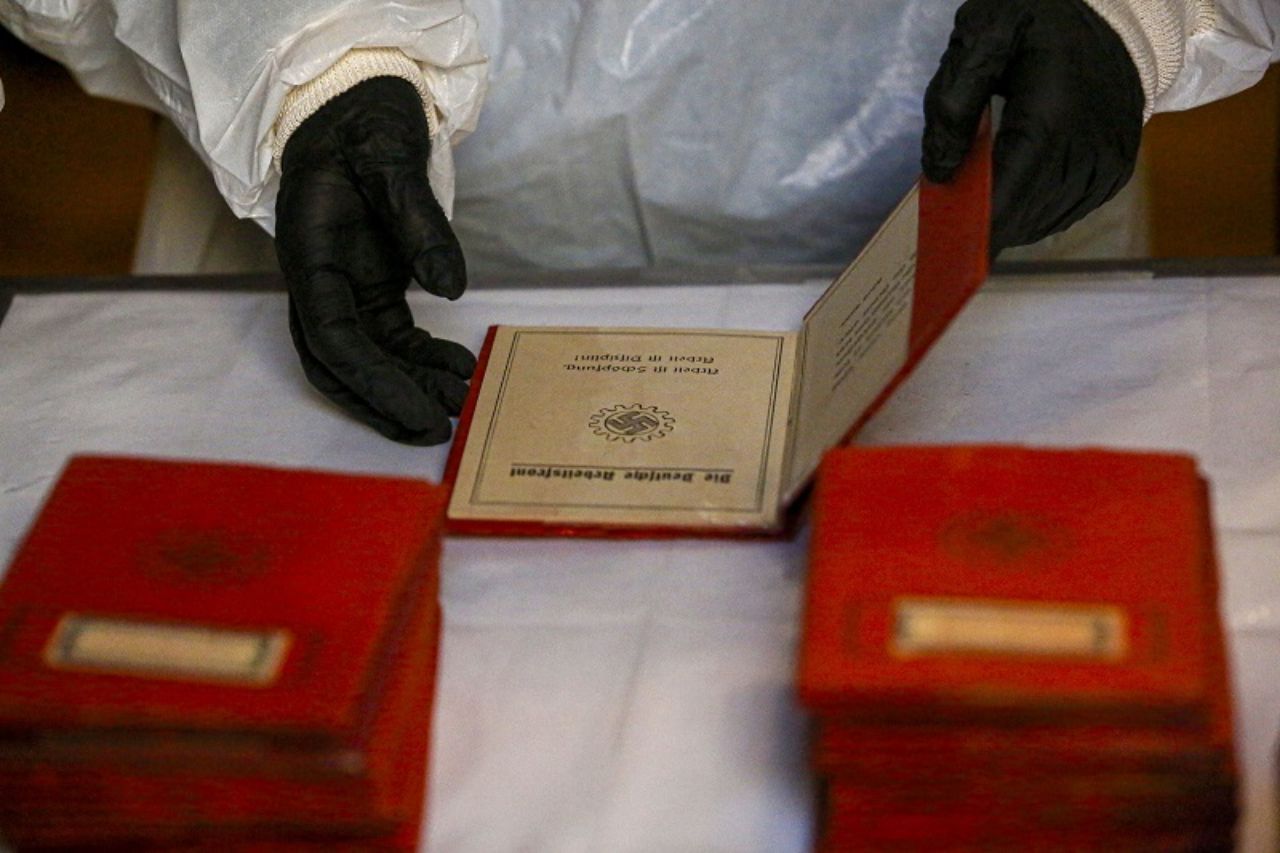
The Buenos Aires Holocaust Museum will have access to 12 boxes full of Nazi-era propaganda material and documents found in the Supreme Court archive in May, after it signed an agreement with the high court. The organization is set to carry out a scientific, statistical, sociological and historical analysis of the documents, said a statement by the Supreme Court. The museum is expected to release its findings with the public in the future. However, the museum will only have access to materials such as books, propaganda documents, photographs and news publications that do not contain any sensitive information, the judges clarified. Documents including IDs of Nazi union members will be kept by the court for digitalization and further analysis in the future. In May, judiciary employees discovered several boxes containing Nazi propaganda material and personal documents that had been confiscated in 1941 and remained long forgotten in the Supreme Court basement. According to the judicial body, the documentation had been shipped to Argentina in 1941 from the German embassy in Tokyo, but was seized by local authorities upon discovering its contents. Inside the wooden crates were photographs, postcards, and propaganda material. There were also 4,600 IDs of members of the German Labor Front and 400 from the German Trade Union Confederation. Each booklet included the name, date of birth, profession and Argentine addresses of each member. After the finding, Supreme Court staff began a process of digitalizing and restoring the material, as well as creating an inventory. The new agreement was signed as part of an existing cooperation deal between the high court and the museum, with the goal of promoting training, research and awareness activities on racism, discrimination, xenophobia and antisemitism. The agreement states that the material is of high historic and cultural value. The BA Holocaust Museum will have to maintain strict confidentiality on the contents of the materials and their findings, unless they receive authorization by the Supreme Court library and museum unit. The agreement also states that the analysis must exclude any personal or sensitive data. The route of the Nazi boxes After finding the documents, the Supreme Court found out more about how they reached Argentina through historic files. On June 20, 1941, the German embassy in Tokyo shipped 83 boxes to Argentina on board the Japanese steamship Nan-a-Maru. The German embassy in Argentina had stated they were personal effects belonging to diplomats and requested the boxes enter the country without being examined. At the time, Argentine authorities intervened, suspecting that the number and potential nature of the material could have affected the Argentine neutrality during World War II. After the packages arrived, they opened five boxes at random and discovered the alarming contents. German diplomats requested the boxes be handed to them so they could send them back to Tokyo, but Argentine authorities demanded the local judiciary stop the move on the grounds that the boxes contained antidemocratic propaganda. A federal judge finally ordered the material to be confiscated in September 1941, and transferred the case to the Supreme Court. The boxes then spent decades forgotten in an underground floor at the Supreme Court building until their discovery in May.



Conectividad regional, auge de escapadas y la pasión por el turismo deportivo del viajero argentino
El pulso del turismo emisivo en la Argentina atraviesa un momento de...
 WindwhistlerOctober 13, 20260

El último tiro cambió todo: pescó un pez elefante y ganó $ 20.000.000
Promediando el cierre de la semana pasada los pronósticos parecían tronchar la...
WindwhistlerOctober 13, 20260

Así rescataron a un cachorrito de lobo marino de un pelo en los médanos de Miramar
Un sorpresivo y emotivo procedimiento de preservación ambiental conmovió por completo a...
WindwhistlerOctober 13, 20260



Proyectan exportaciones récord del agro en 2027, pero advierten que aún faltan dólares para el año electoral
A un año de las elecciones presidenciales, la pregunta sobre si estarán...
WindwhistlerOctober 13, 20260
