
Argentina to phase out dependence on Wall Street, says economy minister
 Buenos Aires HeraldDecember 24, 20252 Mins read
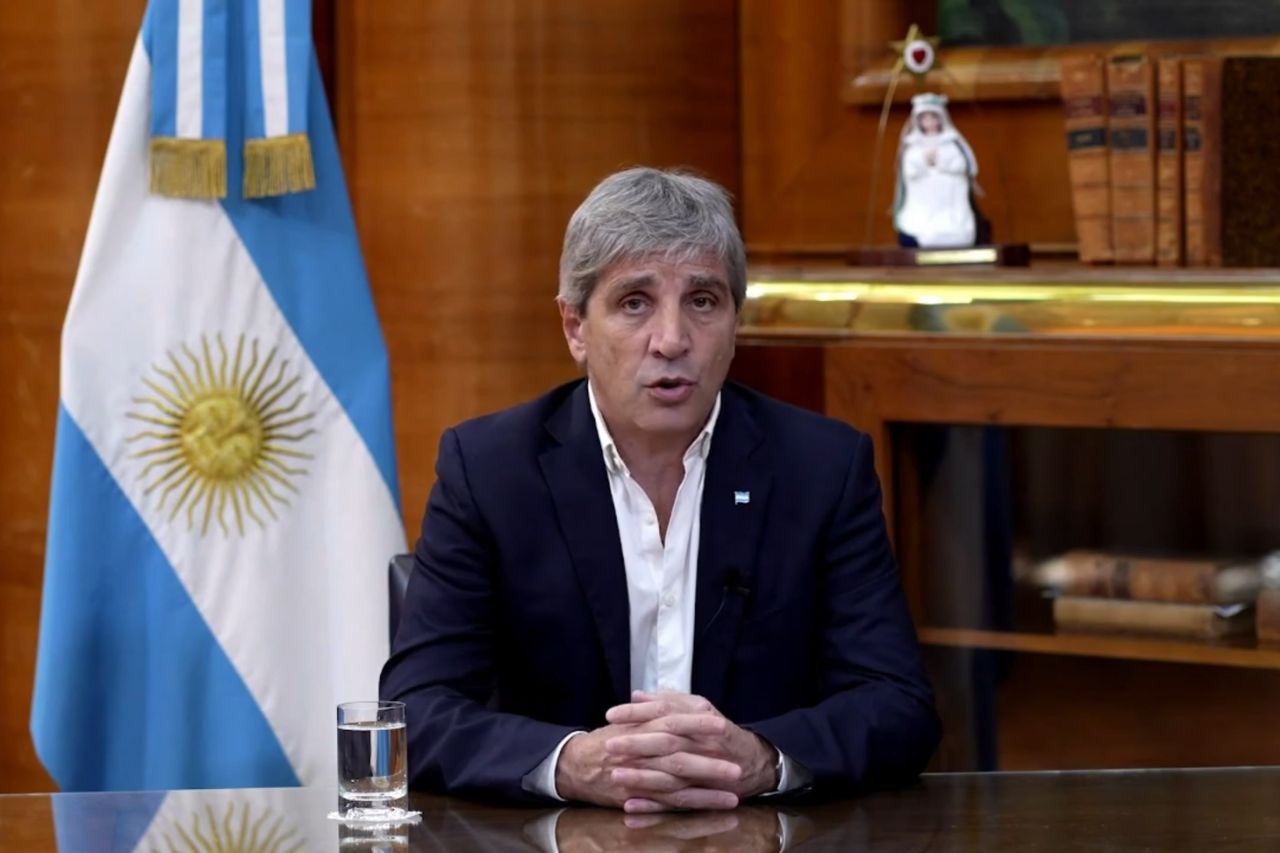
Economy Minister Luis Caputo has said that Argentina will try not to issue debt under New York law in January, in a bid to phase out the country’s “dependence on Wall Street.” “We will try to ensure that there isn’t” any new debt under New York law next month, Caputo said Tuesday on X, answering a question from a user. “The goal is to eliminate the country’s dependence on Wall Street gradually,” he said, adding that the administration hopes the U.S. financial markets will become only a “marginal financing source” for Argentina. “Will we be able to achieve this? We believe so.” Caputo’s comment came on the heels of a bond auction two weeks ago, which had a higher yield and more moderate demand than expected. The country issued US$1 billion of a new four-year bond, carrying a 6.5% coupon. The yield at the cut-off price was 9.26% per year. While Argentina’s country risk has dropped during Milei’s administration, according to JP Morgan’s Emerging Markets Bond Index (EMBI), the current value of 575 basis points is not enough for the country to return to the international voluntary debt market. In an interview with La Casa streaming on December 16, Caputo said that Argentina currently has the equivalent of 25 points of its Gross Domestic Product in debt on the market. At market prices, debt in Wall Street represents less than “four or five points,” he said. “Argentina needs to be a more normal country in this regard. No other country depends so much on Wall Street,” he went on. “A small window opens, and the provinces and companies rush in [to Wall Street].” Caputo said that the administration’s proposed labor reform includes a “labor assistance fund” to finance severance packages, which will also feed a new capital market of US$4 billion per year. “The ideal situation for the country is for companies and people to start getting credit from Argentines themselves,” he said. “It should be logical and a win-win for everyone.” Caputo went on to say that Argentines save in U.S. dollar bills as part of the “economic and psychological cost” of the Kirchnerist administrations (2003-2015, 2019-2023). However, it is a tradition that predates the Kirchner presidencies. Most analysts attribute it to the military dictatorship’s (1976-1983) economic administration.The practice of protecting savings by exchanging them for dollars grew considerably from 1975 on, due to a hyperinflation crisis caused by the military dictatorship’s constant devaluations. According to a paper published by the Central Bank of Argentina, the dollarization of investment portfolios rose from 34% between 1964 and 1974 to 65% between 1975 and 1988.

Conectividad regional, auge de escapadas y la pasión por el turismo deportivo del viajero argentino
El pulso del turismo emisivo en la Argentina atraviesa un momento de...
 WindwhistlerOctober 13, 20260

El último tiro cambió todo: pescó un pez elefante y ganó $ 20.000.000
Promediando el cierre de la semana pasada los pronósticos parecían tronchar la...
WindwhistlerOctober 13, 20260

Así rescataron a un cachorrito de lobo marino de un pelo en los médanos de Miramar
Un sorpresivo y emotivo procedimiento de preservación ambiental conmovió por completo a...
WindwhistlerOctober 13, 20260


Proyectan exportaciones récord del agro en 2027, pero advierten que aún faltan dólares para el año electoral
A un año de las elecciones presidenciales, la pregunta sobre si estarán...
WindwhistlerOctober 13, 20260
