
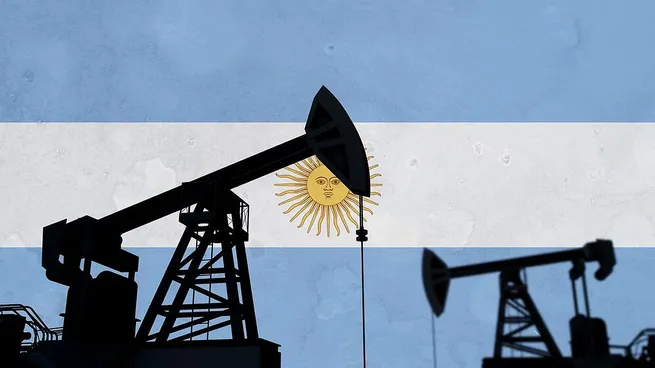
Argentina ends record year in oil production and energy surplus thanks to Vaca Muerta
 Buenos Aires HeraldDecember 26, 20252 Mins read
2025 was a prosperous year for Argentina’s energy sector, all thanks to its biggest star: the huge shale oil and gas field Vaca Muerta, in northern Patagonia. Oil production marked two records this year. The first was reaching the highest number of barrels per day. In October, the country broke its all-time high record, producing an average of 859,500 barrels of oil per day, according to data released by the Energy Department. Until then, the largest amount in its history had been an average of 847,000 barrels per day in May 1998. Although the number went slightly down last November, the country was able once again beat the 1998 record, with an average of 864,000 barrels per day, according to G&G Energy Consultants. Energy experts project that production will continue to grow, reaching one million barrels per day by 2027. Energy surplus This huge production has led to the second record broken this year: the largest nominal positive energy trade balance in history. In the first eleven months of 2025, the energy trade balance had a surplus of US$6.9 billion dollars, according to the Energy Department. That’s nominally higher than the previous record from 2006, when the energy surplus reached US$ 6.1 billion. There is, however, a caveat. The 2006 numbers updated for inflation show that the surplus was around US$10 billion, meaning it slightly surpasses the current figure. However, this year’s surplus is still impressive: not counting December, it’s already US$1.2 billion above the total energy balance for 2024, when the country reached its second energy surplus in 14 years, totaling US$5.7 billion. Pillar of Milei’s government Argentina’s energy surplus is one of the main pillars of President Javier Milei’s economic program, which aims to maintain a “zero deficit” — ie. more income than expenses. According to estimates from the National Institute of Statistics and Censuses (INDEC), 74% of Argentina’s total trade surplus (US$9.4 billion) is due to energy. This marks a massive U turn, as not so long ago the energy sector was primarily responsible for the country’s deficit, which depleted the Central Bank’s reserves and triggered inflation. In 2022, the year before Milei took office, the energy deficit reached US$4.4 billion (US$4.9 billion in today’s dollars). Now, the main companies in the Argentine hydrocarbon sector estimate that by 2031 energy could have a surplus of around US$30 billion, meaning that — if that target is reached — agriculture would no longer be the driving force behind Argentina’s economy.

Conectividad regional, auge de escapadas y la pasión por el turismo deportivo del viajero argentino
El pulso del turismo emisivo en la Argentina atraviesa un momento de...
 WindwhistlerOctober 13, 20260
El último tiro cambió todo: pescó un pez elefante y ganó $ 20.000.000
Promediando el cierre de la semana pasada los pronósticos parecían tronchar la...
WindwhistlerOctober 13, 20260

Así rescataron a un cachorrito de lobo marino de un pelo en los médanos de Miramar
Un sorpresivo y emotivo procedimiento de preservación ambiental conmovió por completo a...
WindwhistlerOctober 13, 20260



Proyectan exportaciones récord del agro en 2027, pero advierten que aún faltan dólares para el año electoral
A un año de las elecciones presidenciales, la pregunta sobre si estarán...
WindwhistlerOctober 13, 20260
