
Judge annuls Bullrichs anti-protest protocol, calling it illegitimate
 Martina JaureguyDecember 30, 20252 Mins read
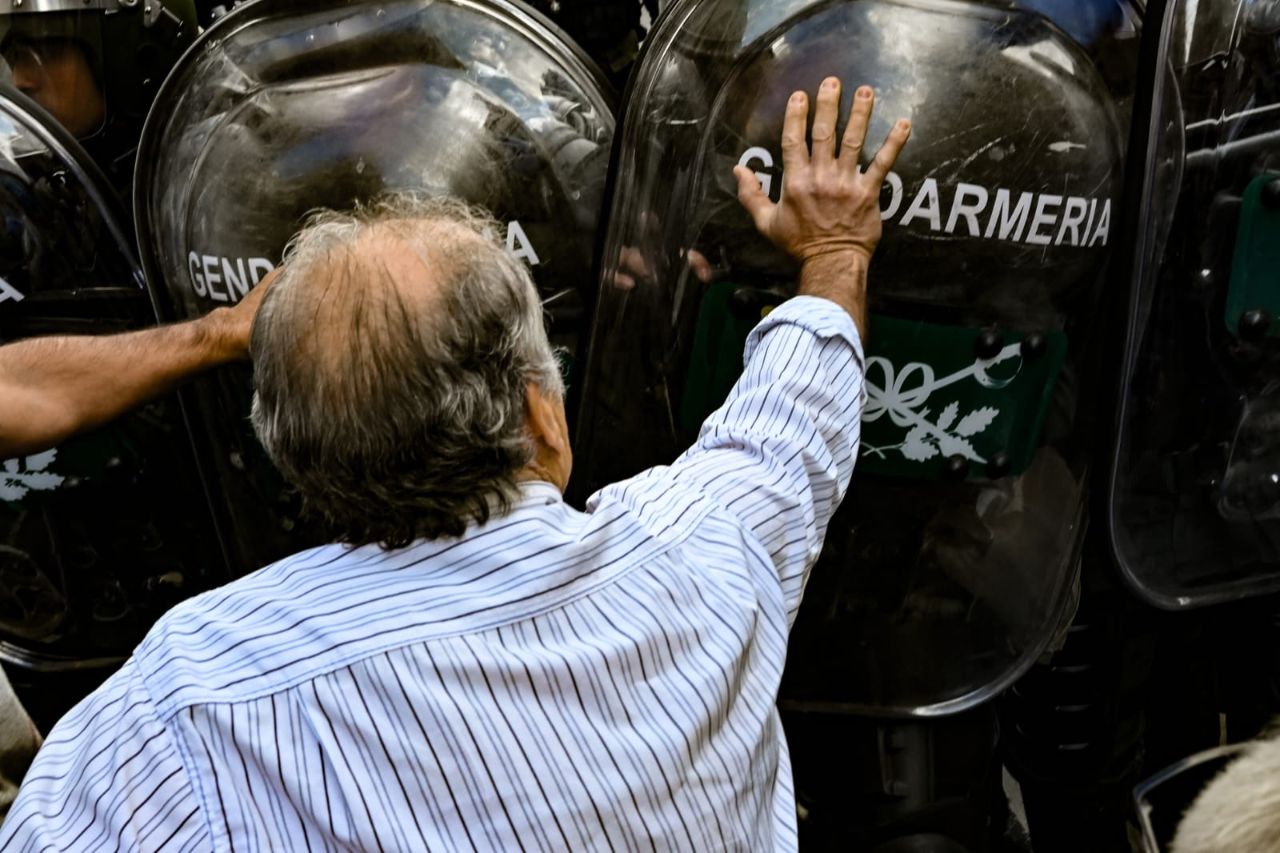
A federal judge has annulled the anti-protest protocol introduced by former Security Minister Patricia Bullrich, which banned protesters from blocking roads. However, the protocol will remain in effect because the government appealed the decision. Judge Martín Cormick ruled that the ministry’s rules effectively regulated “constitutional and conventional rights,” something which can only be done through Congress. The protocol is an internal guideline for security forces. It is not a law and has not been passed by lawmakers. Therefore, the ministry violated the law by “taking on legislative powers it does not have,” he wrote. The protocol says security forces can move against protesters who are blocking roads. It also created a register of social movements and their leaders, and said they should pay the costs of security operations during protests they organize. A few days after it was introduced, human rights NGO Center for Legal and Social Studies (CELS, by its Spanish initials) filed a lawsuit asking the judiciary to declare it unconstitutional and saying it violated human rights. Cormick’s decision “puts limits on what the Security Ministry can do,” the CELS said in a statement. “It cannot restrict constitutional rights.” Amnesty International Argentina, the General Confederation of Labor (CGT) and other organizations also celebrated the ruling. The security ministry said that the protocol is legitimate and has appealed the decision. They claim “most Argentines” back it because “they know without the protocol, chaos will return.” The protocol was issued just days after the new government came into power in December 2023. Cormick said the new proceedings were “unreasonable” and “illegitimate” because there was no reason to issue a new protocol then. Since the new rules were implemented, they have been used to justify violent police crackdowns against groups such as retirees peacefully demanding better pensions. These operations have often resulted in injuries and arrests. Photojournalist Pablo Grillo was severely injured at a retiree protest in March, when a military police officer shot him in the head with a tear gas canister. His head trauma was so severe that he was placed in an induced coma, and he suffered brain damage. He is still recovering at a rehabilitation center. The protocol is not applied to all protests: massive marches to defend public universities have been allowed to take place without incident. Pablo Grillo’s family said the ruling helps bring justice to the photojournalist because it further proves that the shot that injured Pablo, fired by military police officer Héctor Guerrero — who was formally prosecuted days ago — was illegal. “[Guerrero] thought he was protected by ‘superior orders’ and a protocol that gave him carte blanche. Today, that shield of impunity has disintegrated,” the family said in a statement. In a statement, the ministry said that the protocol “does not ban, it puts order,” and that while Argentines still have the right to protest, they have to “respect the right to free circulation” of traffic and the right to work. You may also be interested in: Human rights watchdogs condemn Bullrich’s anti-protest protocol Cover photo: Pensioners protest on March 12, 2025. Courtesy of Gustavo Molfino
Conectividad regional, auge de escapadas y la pasión por el turismo deportivo del viajero argentino
El pulso del turismo emisivo en la Argentina atraviesa un momento de...
 WindwhistlerOctober 13, 20260
El último tiro cambió todo: pescó un pez elefante y ganó $ 20.000.000
Promediando el cierre de la semana pasada los pronósticos parecían tronchar la...
WindwhistlerOctober 13, 20260

Así rescataron a un cachorrito de lobo marino de un pelo en los médanos de Miramar
Un sorpresivo y emotivo procedimiento de preservación ambiental conmovió por completo a...
WindwhistlerOctober 13, 20260



Proyectan exportaciones récord del agro en 2027, pero advierten que aún faltan dólares para el año electoral
A un año de las elecciones presidenciales, la pregunta sobre si estarán...
WindwhistlerOctober 13, 20260
