
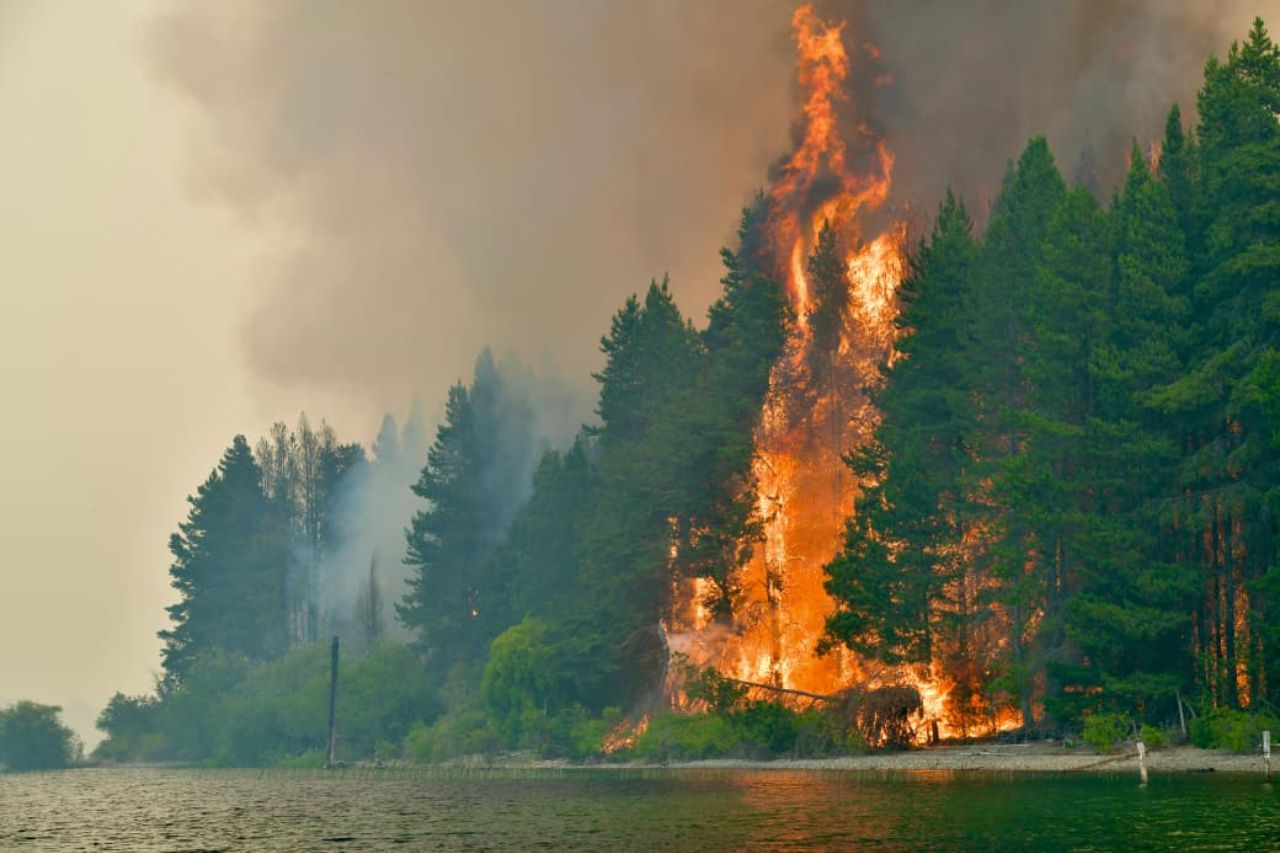
Wildfires in Patagonia: 3,000 tourists evacuated as flames consume Chubut forests
 Martina JaureguyJanuary 8, 20265 Mins read
At least 3,000 tourists had to be evacuated this week from several forest areas near the Andes mountains in Chubut province, in Patagonia, where fires have been raging since Monday. According to the Argentine branch of Greenpeace, over 4,000 hectares of wild forest and homes have been affected since mid-December in the Patagonia area. Puerto Patriada is the area currently most affected by the wildfires. Known by many as the “Patagonian Caribbean,” it’s a small tourist town and protected area on the shore of Lake Epuyén, in the municipality of El Hoyo. The fire has spread to several protected areas nearby, even affecting residential areas. Ante los incendios en Chubut, la @AFE_Arg despliega recursos con brigadistas, medios aéreos y terrestres, bomberos voluntarios y Fuerzas Federales para contener los incendios y cuidar a la población.El 95 % de los incendios son causados por acciones humanas, ya sea por… pic.twitter.com/2HqH3mj6Ma— Ministerio de Seguridad Nacional (@MinSeguridad_Ar) January 8, 2026 The fire began there on Monday and expanded rapidly. As of Wednesday, at least 2,000 hectares had been consumed, according to the Chubut government. Local authorities believe the fires were started deliberately. “Those miserable people who started the fire will end up in jail,” Chubut Governor Ignacio Torres told the press. According to Chubut prosecutor Carlos Díaz Mayer, the fire in Puerto Patriada was started with “lighter fluid or gasoline, which definitively shows someone meant to start a fire.” Torres said the province will pay a reward of AR$50 million (around US$33,000) to anyone who provides concrete information about who started the blaze. First-hand report Herald staffer Lucila Cristallo happened to be in Puerto Patriada at the exact moment the first fire broke out on Monday, and saw the first column of smoke emerging from the forest. She said it began at around 2:30 p.m. in an area where there are Mapuche community houses. Minutes later, the place was flooded with firefighters, police, helicopters and water bomber aircrafts, but the flames rapidly extended all over the place. “It became uncontrollable, and it got larger and larger,” she said. Photo courtesy of Lucila Cristallo While authorities said the fire was started on purpose, neighbors living in the area who spoke with Cristallo moments after the smoke first became visible believed it may have begun due to the accidental explosion of an electricity post next to one of the Mapuche houses, and that the flames extended from there. “We were stranded in the town for five hours after the fire began, with no phone signal,” Cristallo said. The residents and tourists were instructed to evacuate in groups of ten cars each via the only road that can be used to enter or leave Puerto Patriada, as firefighters were containing the flames surrounding the town and both sides of the road. “They told us to keep the windows up at all times and not to stop in the first 30 meters under any circumstances, no matter what we saw.” A recurrent problem Wildfires have become a constant in Patagonia (Argentina’s southernmost area) during the summer due to a fatal combination of weather conditions — heat, drought and wind — that make it hard to prevent and contain flames. However, local authorities have often denounced them as manmade. Environmental NGOs as well as left-wing and Peronist politicians have said in the past they believe the fires are started by real estate investors, eliminating the native forests to build in the affected areas. Last year marked the worst wildfires in the country in the last three decades. Campfires are prohibited or restricted in most national parks and other forest areas in Patagonia. Starting fires in the affected areas is currently strictly banned. In Río Negro, the province to the north of Chubut, park rangers fined a family of tourists who were cooking a barbecue. A video of a man approaching a seemingly foreign tourist who had illegally started a fire in Los Glaciares national park, in Santa Cruz, insulting him and telling him to stop, went viral on Wednesday. Wildfires are currently also affecting that area, south of Chubut, as well as the Los Alerces National Park in Chubut. Fires have also been controlled or extinguished in other areas of that province and certain sectors of neighboring provinces Río Negro (El Bolsón, Bariloche) and Neuquén (Lago Hermoso-Lanín National Park), said a report by the Federal Emergencies Agency. Around 350 people are working to extinguish the fires in Puerto Patriada, including firefighters, the police and other public officials from Chubut, Río Negro and Neuquén, as well as the National Fire Management Service and members of the Army and military police. Budget cuts While the problem of wildfires has grown in recent years, President Javier Milei’s “chainsaw” cuts to public spending has meant the number of national park staff has come down. According to the State Workers Association (ATE, by its Spanish initials), the National Parks Administration currently has 391 firefighters to tend over 5 million hectares, when official reports state there should be at least 700. ATE also warned that their salaries are currently under the poverty line. The minimum firefighter salary in Patagonia is AR$860,000 (US$579), while a family of four needed at least AR$1.2 million (US$808) to stay over the poverty line in November, according to the latest data from statistics institute INDEC. “Argentina is among the 15 countries with most deforestation in the world, and the national government has cut the budget of the Forests Law and the National Fund for Fire Management,” said Hernán Giardini, who coordinates the Argentine branch of Greenpeace’s forests campaign. “This reduces the provinces’ capacity to control illegal deforestation and fires.” According to Greenpeace, 95% of wildfires are manmade, either intentionally, due to negligence or accidentally while making campfires and barbecues, throwing lit cigarette butts, using fire to prepare pasture areas or burning branches and foliage. Fire rules for tourists – Do not start fires of any kind (campfires, barbecues, etc.) unless you are in an area where it is specifically allowed. Starting a fire is strictly banned all over Patagonia except in authorized camping sites that have the necessary conditions for it. Ask beforehand – If you have lit a fire in an authorized area, avoid big bonfires, make sure the wind is not spreading sparks, and do not start fires underneath trees. Put it out correctly by throwing plenty of water and dirt over it and check to see there are no ambers still lit before leaving it. If it’s cold, it’s out. – Do not throw cigarette butts on the ground. It may still be lit, even if you think you’ve put it out correctly. Just a spark is enough to start a wildfire. – If you see smoke or a fire, call 103 for Civil Defense or 100 for firefighters. There are also local numbers for areas particularly affected. Bariloche: 2944-437417. El Bolsón: 2944-299070. Chubut: 0800-222-38346. Another option is 911. You may also be interested in: Visiting Patagonia in Argentina: Trek safely with these tips
Conectividad regional, auge de escapadas y la pasión por el turismo deportivo del viajero argentino
El pulso del turismo emisivo en la Argentina atraviesa un momento de...
 WindwhistlerOctober 13, 20260
El último tiro cambió todo: pescó un pez elefante y ganó $ 20.000.000
Promediando el cierre de la semana pasada los pronósticos parecían tronchar la...
WindwhistlerOctober 13, 20260
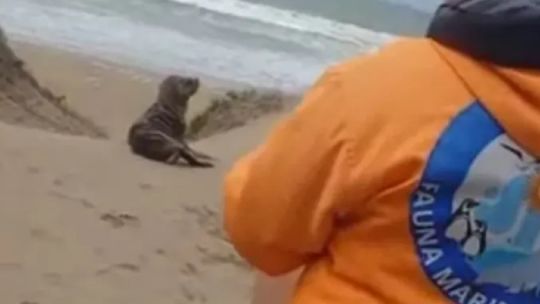
Así rescataron a un cachorrito de lobo marino de un pelo en los médanos de Miramar
Un sorpresivo y emotivo procedimiento de preservación ambiental conmovió por completo a...
WindwhistlerOctober 13, 20260



Proyectan exportaciones récord del agro en 2027, pero advierten que aún faltan dólares para el año electoral
A un año de las elecciones presidenciales, la pregunta sobre si estarán...
WindwhistlerOctober 13, 20260
