
Argentine scientists discover giant new dinosaur in Neuquén
 Buenos Aires HeraldJanuary 15, 20261 Mins read
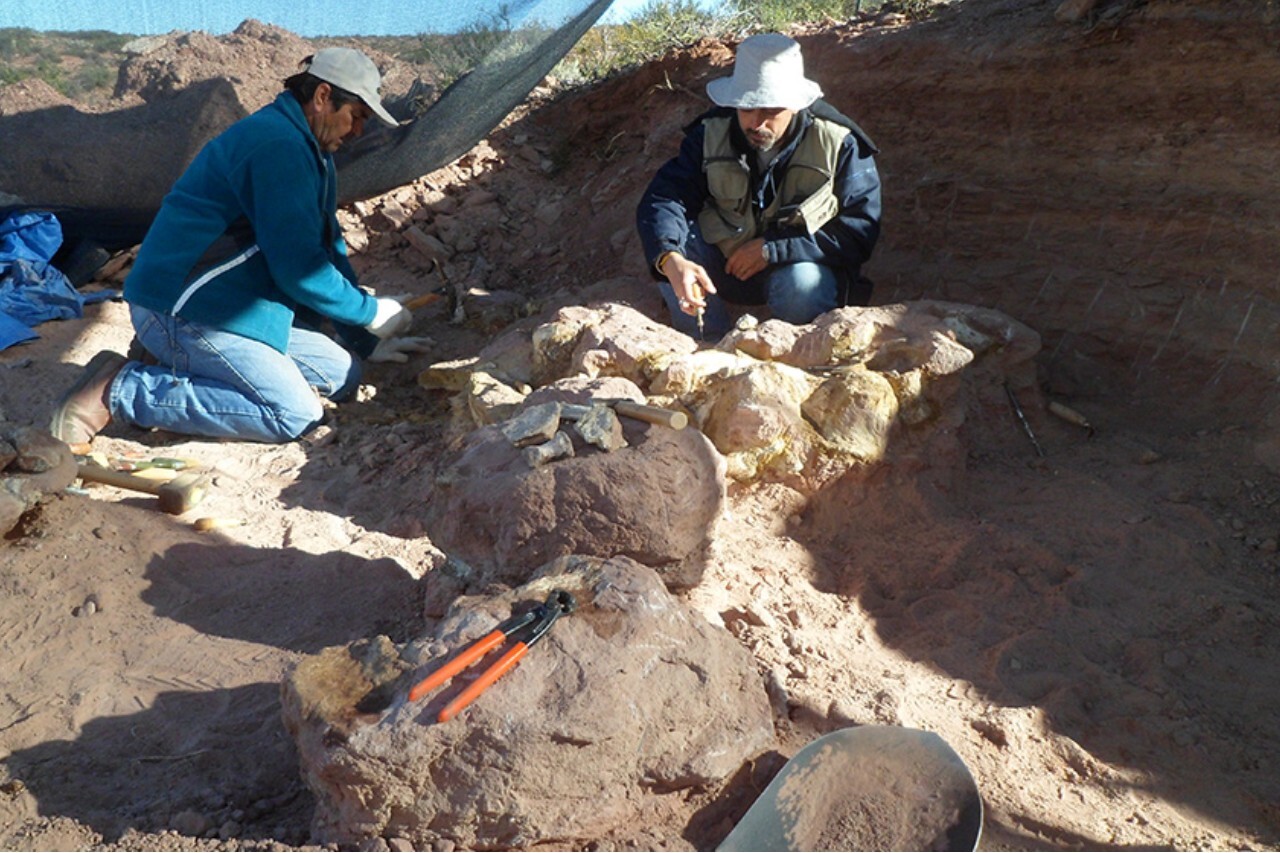
Researchers have discovered a huge new dinosaur in Argentina’s southern province of Neuquén. The prehistoric creature was up to 12 meters long — about as long as a bus — and lived during the Late Cretaceous period around 83 million years ago. A team of researchers with CONICET, Argentina’s publicly-funded research institute, announced the discovery in the journal Historical Biology on Monday. The finding allowed the researchers to identify a whole new genus of sauropod, the group famous for its long necks and tails and the enormous sizes attained by some species. The genus is a biological classification one level above the species, meaning this discovery opens up a whole new array of animals. Other sauropods include the brachiosaurus, which makes an appearance in Jurassic Park, and the diplodocus, a complete skeleton of which famously hangs in London’s Natural History Museum. The new dinosaur was named Yeneen houssayi. The first part of the name, which denotes the genus, was inspired by the Tehuelche culture and means “related to winter,” because the dinosaur was found in an area called La Invernada (roughly, that of the winter). The second part, which is the species name, honors Argentine physiologist Bernardo Houssay, who was the co-recipient of the 1947 Nobel Prize for Medicine. “Yeneen houssayi measured at around 10 to 12 meters long and weighed at least eight tons,” said Leonardo Filippi, the leading author of the discovery. He added that the preservation of the dorsal vertebrae was what allowed the investigators to determine it was a new genus. This is the third new dinosaur found in Bajo de la Carpa, a geological formation in the Neuquén Basin. The researchers believe this finding could suggest that there was a remarkable diversity of this group of dinosaurs in the area during the Late Cretaceous, possibly because of different feeding strategies. Remains of a dinosaur were first reported in 2003 by a military police officer. Excavation took until 2014, when the fossils were transported to the Museo Municipal “Argentino Urquiza,” in Neuquén. The fossils were so heavy that the team needed a truck with a crane. It took another decade for the team to describe and name the new dinosaur.
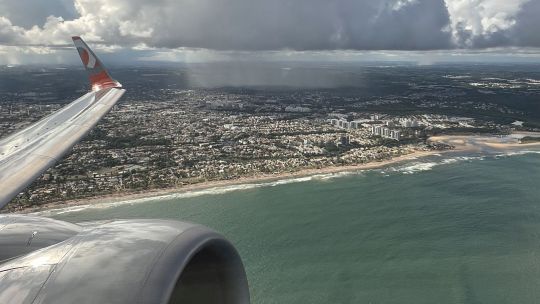
Conectividad regional, auge de escapadas y la pasión por el turismo deportivo del viajero argentino
El pulso del turismo emisivo en la Argentina atraviesa un momento de...
 WindwhistlerOctober 13, 20260
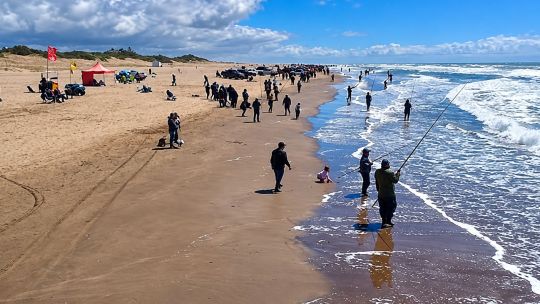
El último tiro cambió todo: pescó un pez elefante y ganó $ 20.000.000
Promediando el cierre de la semana pasada los pronósticos parecían tronchar la...
WindwhistlerOctober 13, 20260
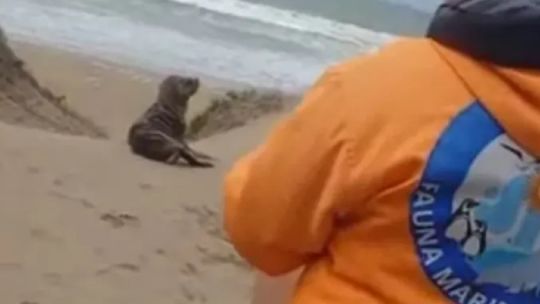
Así rescataron a un cachorrito de lobo marino de un pelo en los médanos de Miramar
Un sorpresivo y emotivo procedimiento de preservación ambiental conmovió por completo a...
WindwhistlerOctober 13, 20260



Proyectan exportaciones récord del agro en 2027, pero advierten que aún faltan dólares para el año electoral
A un año de las elecciones presidenciales, la pregunta sobre si estarán...
WindwhistlerOctober 13, 20260
