
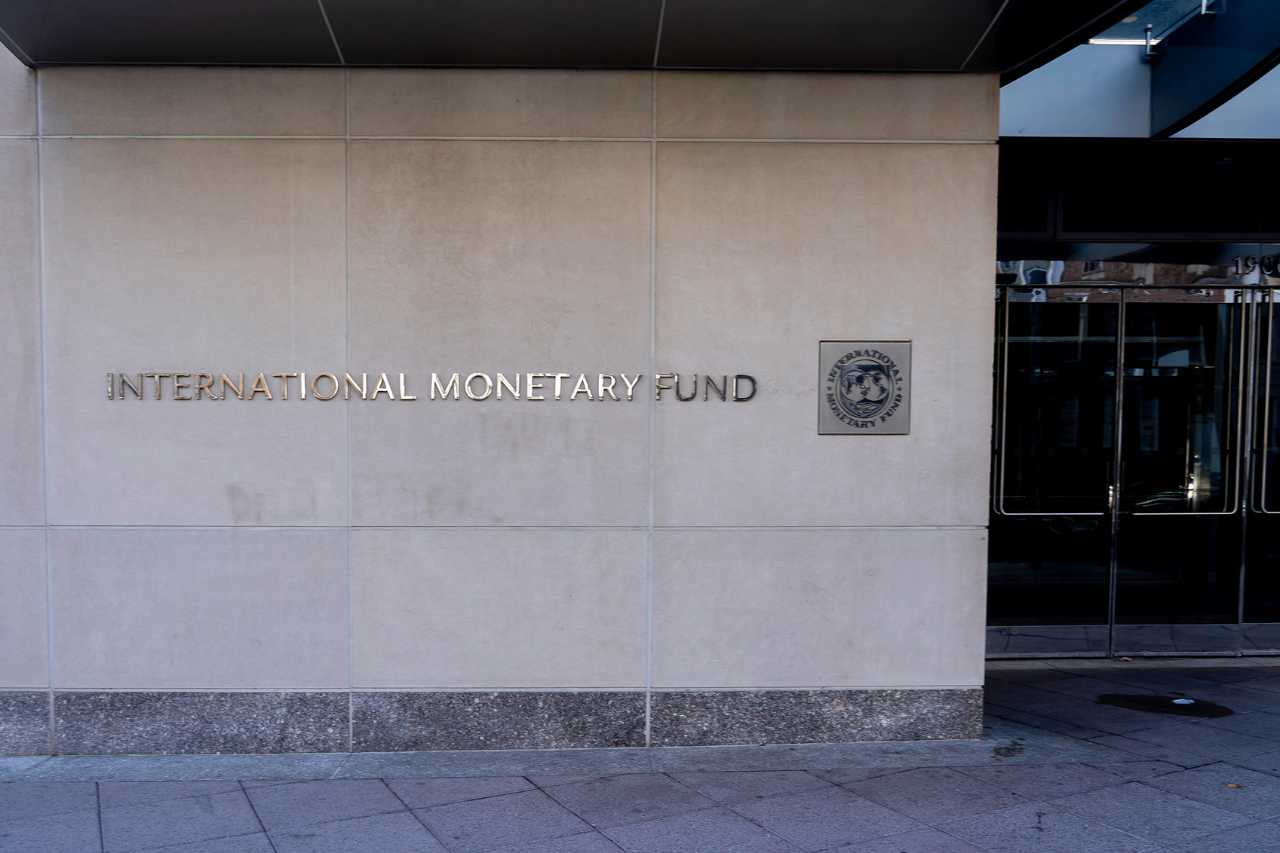
IMF calls Argentine stabilization impressive but warns of transition costs
 Buenos Aires HeraldFebruary 20, 20262 Mins read
International Monetary Fund spokesperson Julie Kozak praised the reform agenda the Argentine government is carrying out, calling the economic stabilization plan ‘impressive.’ Speaking to the media in her usual Thursday press conference, Kozak also warned that properly mitigating the transition costs associated with these reforms ‘are also going to be important.’ Early Friday, the Argentine Congress passed a signature bill on labor reform, a key element of President Milei’s reform program. The spokesperson’s comments come on the heels of a one-week visit the Fund’s technical staff recently wrapped in Buenos Aires. The mission was part of an audit of the country’s economic program before a second review required for a new disbursement. Kozak also praised the US$2 billion in reserves that Argentina’s Central Bank has purchased since January. The topic that has been a source of contention between the Milei administration and the Fund, given that the former avoided doing so for many months on the grounds that it would fuel inflation. “Sustained reserve accumulation, supported by continued implementation of the zero balance fiscal anchor, will be essential to secure durable market access and allow Argentina to better address shocks,” she explained. The IMF spokesperson stressed that ‘very important steps’ Argentina had taken to strengthen confidence and external stability, including recent refinements to the monetary and FX regime. Kozak ended by saying that the Fund was committed to “safeguard the quality, accuracy, and transparency of Argentina’s statistical systems.” “In our discussions with the Argentine authorities, we’ve agreed that having timely, credible, and high quality and impartial data is essential for sound policymaking and public trust”. The country’s statistics institute, INDEC, has been at the center of controversy In 2025, the administration had said that, before the end of the year, it would base the calculation of inflationnon the 2017-18 household expenditure survey, instead of the 2004 one it is using. The stated goal was “to better reflect structural changes in cost patterns” and to “improve data quality.” In early February, however, Economy Minister Luis Caputo said that the government would postpone the implementation of new method to measure inflation until the disinflation process was “fully consolidated.” INDEC head Marcos Lavagan resigned due to the decision. The IMF staff visit The “technical mission” sent to Buenos Aires to audit the country’s economy last week was headed by the IMF’s mission chiefs for Argentina, Luis Cubeddu and Bikas Joshi. An IMF source told the Herald that “significant progress” was made in the talks, which they said were ongoing. Javier Milei’s administration struck a US$20 billion loan with the Fund last April, which piles up with a previous US$45 billion debt the country took on with the lender in 2018 during Mauricio Macri’s government. The mission was sent to audit the country’s economy, as Argentina needs to pass the second review of the agreement in order to get an upcoming US$1.1 billion disbursement. One of the key aspects of the evaluation, which corresponds to the targets agreed upon for the end of 2025, is Argentina’s international reserve accumulation. Private consultants estimate that net international reserves measured using the methodology included in the program with the Fund were around US$13 billion below the committed level. However, given the Argentine government’s alignment with the United States — the Fund’s main stakeholder —, analysts agree that the lender will surely grant Argentina a waiver.


CONMOCIÓN: murió Rosa del Valle Rasgido
 notienredSeptember 13, 20260

Claudio Barrelier reveló por qué mató a Agostina Vega: Obsesión por la
notienredSeptember 13, 20260

Asesinaron a Alfredo Wiebel y se dieron a la fuga
notienredSeptember 13, 20260


Clima en Ciudad de Buenos Aires: sábado 12 de septiembre
Sábado en la Ciudad de Buenos Aires con una temperatura máxima de...
 WindwhistlerSeptember 13, 20260
