
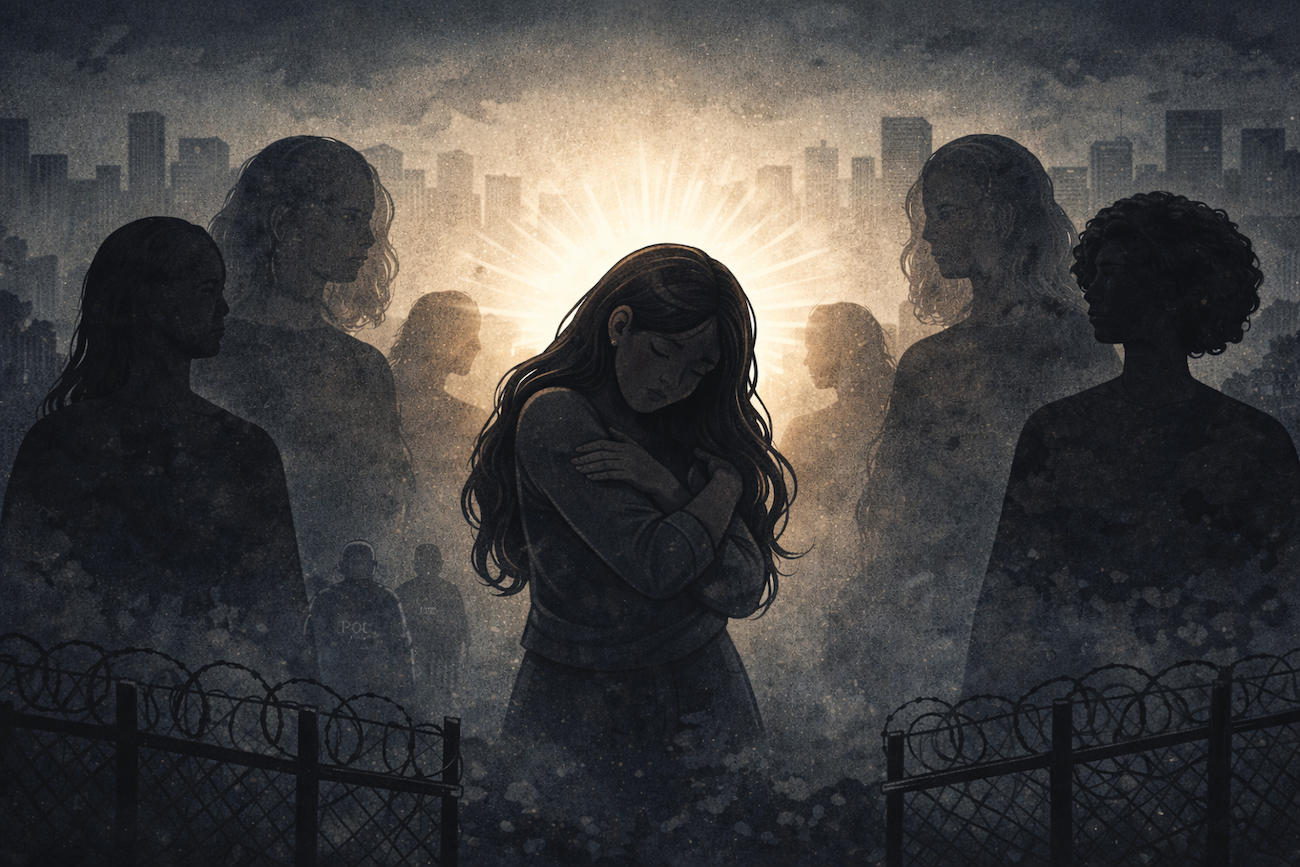
Violence against women doesnt end on the day of the assault
 Karla GutierrezMarch 8, 20263 Mins read
Karla Gutiérrez is Humanitarian Affairs Manager for MSF Mexico For years I’ve heard the same words repeated by survivors: “I didn’t know where to go.” “I was too afraid to say what they did to me.” As a humanitarian worker with Doctors Without Borders (MSF), I’ve accompanied women, girls, and adolescents, as well as men and LGBTQI+ people who have survived sexual violence. Over time I’ve learned that violence doesn’t end when the assault happens. It continues when the state fails to guarantee the conditions and resources needed to provide timely, comprehensive, confidential, and stigma-free medical care for survivors. It continues when a door is closed, when a service doesn’t operate at night, or when distance itself becomes another barrier to asking for help. It continues when a public official doubts a survivor’s testimony, questions what happened, or responds with judgment instead of care. In Mexico, surviving sexual assault doesn’t guarantee immediate medical attention. We see this in our projects in Mexico City, the State of Mexico, Tapachula, and Ciudad Juárez. Violence happens during migration journeys, but also within intimate relationships, inside families, and in everyday spaces that should be safe. It doesn’t distinguish age, migration status, or economic situation. What it does is deepen existing vulnerabilities and leave devastating consequences. When the system fails to respond, the violence doesn’t end. It simply takes another form. Across our projects in 2025, MSF teams treated women hours, days, or even months after they’d been assaulted. Many were afraid to seek medical care because they feared being blamed or judged. We treated girls and adolescents attacked in places where they should have been safe. We saw women abused repeatedly by someone they trusted. We also accompanied women who crossed borders to escape life-threatening situations in their countries of origin, only to face new forms of violence and insecurity along the way. Every story is different, but they share one thing: the urgent need for care. There is a critical window after sexual violence. Within 72 hours, medical treatment can prevent HIV and hepatitis through post-exposure prophylaxis. Within 120 hours, emergency contraception can prevent unwanted pregnancy. Up to six months remain crucial for diagnosing and treating sexually transmitted infections such as syphilis. Survivors have the right to comprehensive, free, and confidential care that can change the course of their lives. Yet only a small minority reach medical services within those first 72 hours. In 2025, MSF teams in Mexico treated 261 survivors of sexual violence across our projects in the country. Yet only 23 people, or 8.8 percent, received care within the first 72 hours after the assault. Missing this window isn’t an individual mistake. It reflects structural failures. Services aren’t always available 24 hours a day. There aren’t always trained and specialized staff able to respond to these cases. Care is often fragmented between health services, protection systems, and the justice sector. Referral pathways are unclear. Institutional stigma often outweighs the right to medical care. Many survivors simply don’t have the information they need to seek emergency services. Sexual violence is a medical emergency. Like any emergency, it can’t wait until morning, depend on someone’s shift, or be delayed by prejudice. Timely care doesn’t only prevent infections or unwanted pregnancies. It also reduces the impact of trauma, helps prevent further violence, and saves lives. My work has allowed me to see how dignified care can transform someone’s experience. When a survivor is received without judgment, when each step of the process is explained with respect, and when they’re able to make decisions about their own body, something changes. In the middle of pain, people recover part of their autonomy. They regain some of their own power. But I’ve also seen the opposite. I’ve seen how stigma wounds people a second time. I’ve seen how institutional mistrust keeps survivors from returning to public services. I’ve seen how silence becomes the only option when the system doesn’t listen and no alternatives remain. The 261 cases identified by MSF represent only a fraction of a much broader reality. But they reveal urgent failures that must be addressed: delayed access to medical care and persistent gaps in the institutional response. This International Women’s Day (March 8), I don’t want to talk only about numbers. I want to talk about responsibility. In Mexico, survivors of sexual violence must be able to access timely medical care. Services must be available 24 hours a day. Essential medical supplies must be ensured. Staff must be trained in survivor-centered clinical protocols. Care must respond to the different realities and needs of people facing sexual violence. We must also challenge stigma within institutions through mandatory training on gender, human rights, and non-revictimizing care for all public servants involved in responding to sexual violence. Health services, protection systems, and justice mechanisms must be connected so that no survivor has to repeat their story again and again. No one should feel blamed or judged when seeking help. No survivor should fear exercising their rights. When timely care is not guaranteed, violence does not end. It simply continues in other forms.

CONMOCIÓN: murió Rosa del Valle Rasgido
 notienredSeptember 13, 20260
Claudio Barrelier reveló por qué mató a Agostina Vega: Obsesión por la
notienredSeptember 13, 20260

Asesinaron a Alfredo Wiebel y se dieron a la fuga
notienredSeptember 13, 20260



Clima en Ciudad de Buenos Aires: sábado 12 de septiembre
Sábado en la Ciudad de Buenos Aires con una temperatura máxima de...
 WindwhistlerSeptember 13, 20260
