
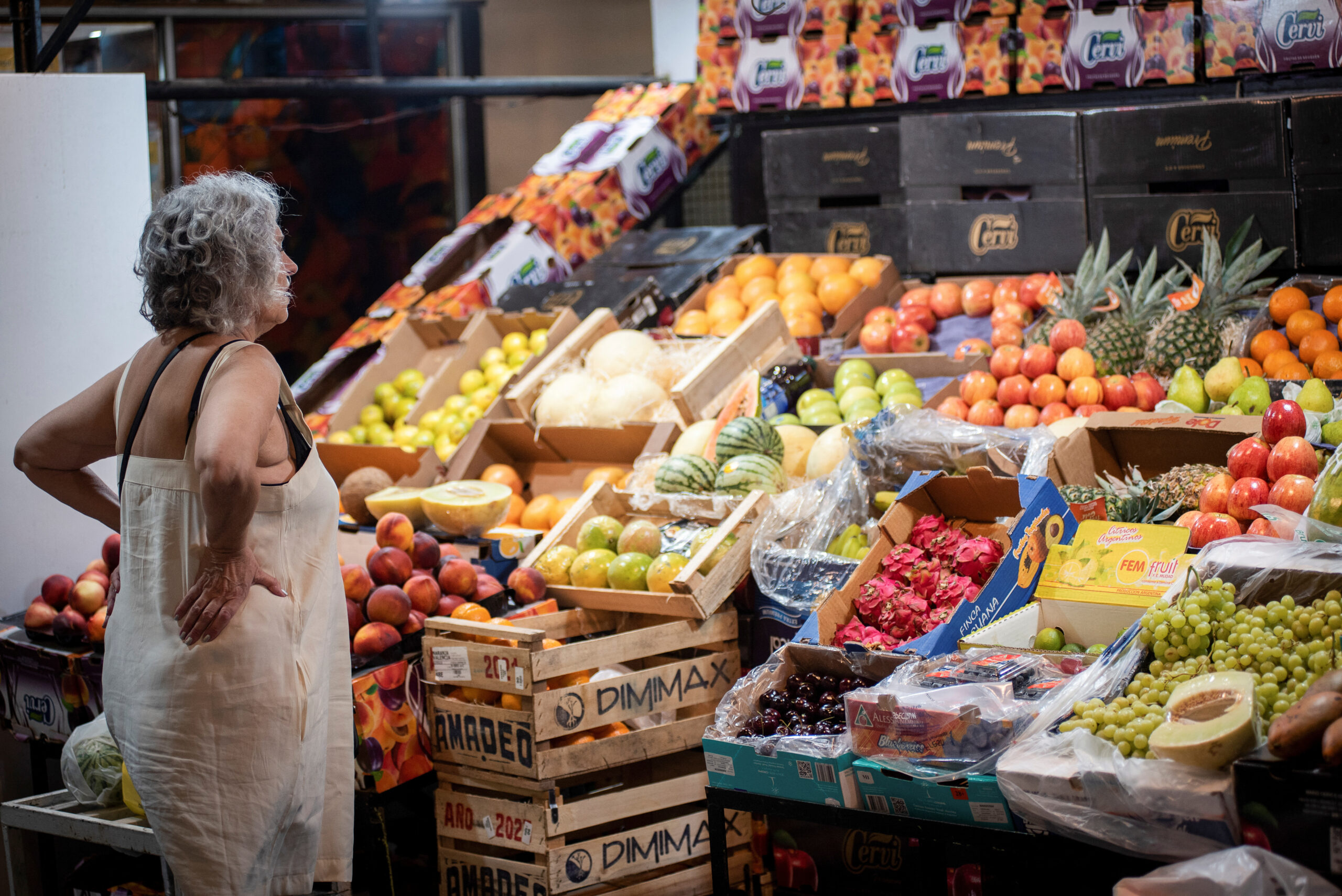
Argentinas inflation in February: flat at 2.9%
 Buenos Aires HeraldMarch 12, 20262 Mins read
Argentina’s inflation rate for February was 2.9%, according to a report by the government’s statistics agency, INDEC, released on Thursday. The figure was the same as January, as February marked the ninth consecutive month that the inflation rate had not gone down. Prices increased 33.1% interannually, and the economic sector with the largest monthly jump was in housing, water, electricity, gas, and other fuels, with a 6.8% jump. The increase was mostly driven by the rise in gas, water, and electricity rates in most provinces and the modification of the schemes for beneficiaries of subsidized and non-subsidized rates. It was followed by food and non-alcoholic beverages, and miscellaneous goods and services, which increased 3.3% each. In the first two months of the year, accumulated inflation was 5.9%. The government’s 2026 budget forecasted a 10.1% increase in prices for the entire year. Inflation and the way it is measured are hot topics in Argentina. Last month, the INDEC planned to change the methodology to calculate inflation. The current one uses a basket of goods and services stemming from a nationwide survey made in 2004, and the bureau aimed to replace it with a 2017-2018 study. The major difference is that the new method would have assigned more weight to the cost of utility fees, which, in February, was the item that saw the highest increase. However, Economy Minister Luis Caputo said he and President Javier Milei did not agree with the modification, saying the new index would only be implemented “once the disinflation process is fully consolidated.” The head of the INDEC, Marco Lavagna, resigned over the disagreement. Caputo explained February’s figure in an X post, where he said that “the Argentine economy is still undergoing a process of relative price corrections, after more than two decades of accumulating distortions that led to stagnation in economic activity and employment and a growing inflationary trend.” He added that the correction “is essential to ensure macroeconomic order and the conditions for the economy to remain on a path of sustained growth.” Stagflation Sebastián Menescaldi, associate director at the EcoGo consulting firm, said that, for the third time in a row, inflation has been around 3% and that March’s inflation could be similar since there is a “high seasonality in clothing and education, as well as effects on regulated prices.” “This situation will therefore hinder the government’s strategy to deflate the economy and achieve 0% inflation in August,” as President Javier Milei announced. He added that companies from “segments where demand is not as strong will want to try to raise their prices to recover some of their profitability, considering that other prices have increased by more than 12% cumulatively.” “Although we do not yet have official activity data for this period, and most activity in January and February is very volatile because of the holidays, which can lead to plant shutdowns and other unusual circumstances, we can say that there is stagflation,” said Menescaldi. According to the economist, the liberalization of meat exports, the rise in bus fares, and a new system of targeted subsidies “will involve significant changes in prices from month to month.”
CONMOCIÓN: murió Rosa del Valle Rasgido
 notienredSeptember 13, 20260

Claudio Barrelier reveló por qué mató a Agostina Vega: Obsesión por la
notienredSeptember 13, 20260

Asesinaron a Alfredo Wiebel y se dieron a la fuga
notienredSeptember 13, 20260


Clima en Ciudad de Buenos Aires: sábado 12 de septiembre
Sábado en la Ciudad de Buenos Aires con una temperatura máxima de...
 WindwhistlerSeptember 13, 20260
