
Glacier law modification debate kicks off with a 400-person public hearing
 Facundo IglesiaMarch 26, 20262 Mins read
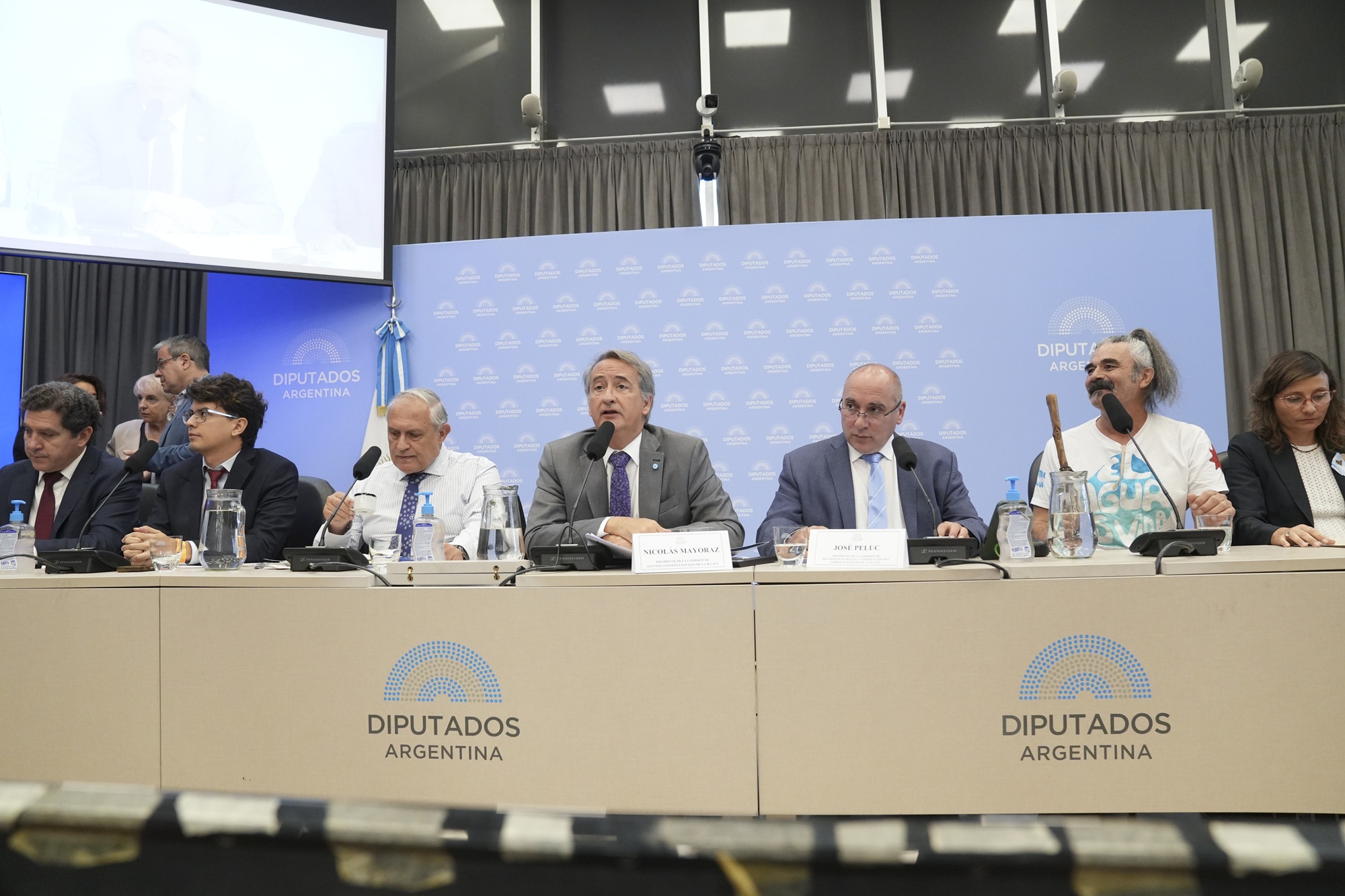
Argentina’s Chamber of Deputies has opened its first public hearing on the controversial reform of the Glacier Law, approved by the upper house last month. The reform aims to loosen restrictions that currently ban mining in glaciers and their surrounding areas. With more than 100,000 registered participants, the Deputy Chamber designed a hybrid model: the hearing would be in person on Wednesday and feature 200 speakers. On Thursday, 200 will participate in a public meeting held remotely. Everybody else will have to do so through a platform by submitting a written statement or a video. A group of deputies from opposition parties demanded that the head of the lower house, ruling party La Libertad Avanza’s Martín Menem, revise the scheme. “They arbitrarily restricted participation: less than 1% of the more than 100,000 registered participants will be able to take part, and the selection process has not been made transparent,” posted Sabrina Selva, one of the deputies who signed the petition, on X. Several environmentalist groups filed an injunction against the participation scheme, which a federal court rejected. “The scale of public participation reflects the public’s interest in the debate over a key regulation for glacier protection and access to water. This process must live up to that interest and ensure genuine opportunities for participation,” the organizations stated. Andrés Nápoli, head of Environment and Natural Resources Federation (FARN, by its Spanish acronym), noted during the hearing that the proposed reform goes against the Escazú Agreement, an international treaty signed in 2018 by 24 Latin American and Caribbean countries concerning the rights of access to information about the environment and public participation in environmental decision-making. Nápoli said that the original Glacier Law, approved in 2010, originated from two concerns: the climate change’s impact on glaciers and “the disasters the mega-mining was causing.” “The current Glacier Law protects glaciers and the periglacial zone as a single entity, and mining or hydrocarbon extraction is not permitted in those areas,” Nápoli told the Herald. The reform grants the power to ignore a 17,000 glacier inventory done in 2010. “What they are doing is changing that and handing over the authority to set the minimum standard to the provinces,” he added. He said that the change could lead to “regulatory feudalism or environmental dumping — provinces competing to see who has the lowest protection standards and thus collects more taxes.” According to Nápoli, the proposed reform is unconstitutional, regressive, and misleading. “The law is being amended to greenlight four or five major projects: Vicuña and Pachón in San Juan, MARA in Catamarca, and, as Senator Patricia Bullrich mentioned, possibly another one in Salta called Taca Taca,” he said, adding that the interest comes from provinces mining copper and lithium. “We’re not saying ‘no’ to mining; we’re saying no to mining on glaciers,” he said. “That’s 0.3% of the national territory. In the rest of the country, there are no restrictions on mining, other than using proper practices, obtaining the necessary permits, and adhering to regulations.” Nobel Peace Prize laureate Adolfo Pérez Esquivel also participated in the hearings, saying that the proposed reform ignores the needs of indigenous peoples. “I’ve been in countries where water is more valuable than gold,” he said. “Companies are trying to get in, with the pressure of the United States’ government, to impose this law,” he said. “That is not development, that is exploitation.”
CONMOCIÓN: murió Rosa del Valle Rasgido
 notienredSeptember 13, 20260

Claudio Barrelier reveló por qué mató a Agostina Vega: Obsesión por la
notienredSeptember 13, 20260

Asesinaron a Alfredo Wiebel y se dieron a la fuga
notienredSeptember 13, 20260


Clima en Ciudad de Buenos Aires: sábado 12 de septiembre
Sábado en la Ciudad de Buenos Aires con una temperatura máxima de...
 WindwhistlerSeptember 13, 20260
