
Deputies to vote on changes to glaciers protection law to allow mining
 Buenos Aires HeraldApril 8, 20262 Mins read
The Lower House is set to debate on Wednesday a modification to a law that protects glaciers and their surrounding areas, aiming to allow mining in those regions. The new bill was approved by the Senate in February. Approved in 2010, the original glaciers law established what is considered a glacier and a periglacial area which is a portion of frozen mountain land that can defrost depending on the season and bans mining and hydrocarbon activities in them, as well as any construction or industry that could affect them. It also created an inventory of glaciers and periglacial areas. The bill, which was sent to Congress by President Javier Milei in December, proposes allowing provinces to decide the extent of these protected areas and whether they want to allow mining in them or not. According to the government, the bill aims to set clear rules about where and how mining projects can be held in such areas. In a statement, the ruling party said the goal is to protect glaciers, strengthen existing environmental standards, and eliminate the discretional considerations that, under ideological pretexts, have hindered the countrys economic development. The bill was approved by the Senate with 40 votes in favor, 31 against, and 1 abstention. The debate at the Chamber of Deputies is set to begin on Wednesday at 3 p.m. Social and environmental organizations are organizing a march to Congress for that day. First, lawmakers from the constitutional affairs and natural resources commissions will meet on Tuesday, and must approve a draft version of the bill for the debate to take place the next day. Ruling party La Libertad Avanza (LLA) leads both of those commissions, and will likely gather enough signatures from commission members. Governors, vice governors, ministers and other public officials from provinces that back the bill Catamarca, Jujuy, Mendoza, San Juan, and Salta as well as members of the national government were invited to speak at the natural resources commission on Tuesday. When the bill passed in the Senate, most of the votes in favor came from LLA, but they also had backing from several deputies from center-right Unin Cvica Radical (UCR) and even some Peronists from San Juan and Catamarca, two provinces that would benefit if mining was allowed in areas that surround glaciers due to the high presence of copper, lithium and gold. LLA is the largest bloc in the Lower House with 95 deputies, followed by Peronist Unin por la Patria, which has 93. However, LLA outweighs Peronism due to its large number of allies: UCR (6), PRO (12), Innovacin Federal (9), and other small blocs. All of them signed a document requesting the session on Wednesday, and are expected to back the bill, which would grant it approval. In addition, three Peronist deputies from Catamarca, who left Unin por la Patria in December and have backed the national government in the past, are expected to vote in favor of the bill. Controversy The proposal to change the glaciers law has been questioned by environmentalists, who say allowing mining projects will contaminate areas with water sources, given periglacial formations defrost with warm temperatures. Environmental organizations are expected to take the matter to court if the modification is approved. In recent weeks, the Lower House held open hearings allowing people to express their opinions on the provision. To participate, those interested had to fill out a form. Over 100,000 people registered. However, the Lower House authorities only allowed a fraction of them (less than 300) to participate in the hearings, which were held over two days in March. The rest were told to send a written document or submit a video. On the days the hearings were held, there was a large security operation. Several people who had received confirmation of their participation were not allowed to enter the Lower House anex building and were unable to give their views on the bill.

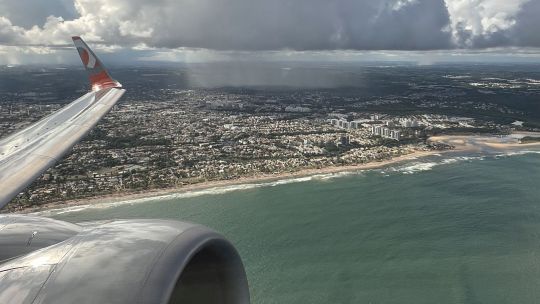
Conectividad regional, auge de escapadas y la pasión por el turismo deportivo del viajero argentino
El pulso del turismo emisivo en la Argentina atraviesa un momento de...
 WindwhistlerOctober 13, 20260
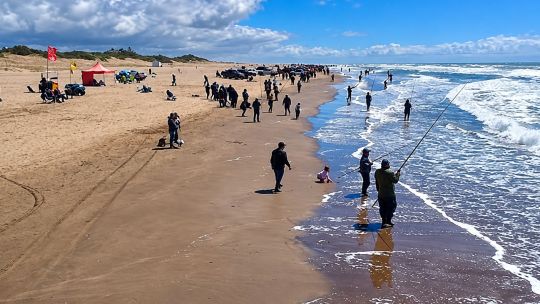
El último tiro cambió todo: pescó un pez elefante y ganó $ 20.000.000
Promediando el cierre de la semana pasada los pronósticos parecían tronchar la...
WindwhistlerOctober 13, 20260
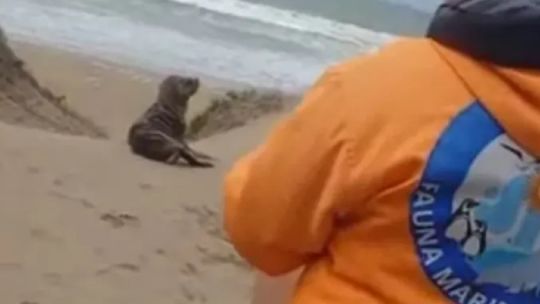
Así rescataron a un cachorrito de lobo marino de un pelo en los médanos de Miramar
Un sorpresivo y emotivo procedimiento de preservación ambiental conmovió por completo a...
WindwhistlerOctober 13, 20260



Proyectan exportaciones récord del agro en 2027, pero advierten que aún faltan dólares para el año electoral
A un año de las elecciones presidenciales, la pregunta sobre si estarán...
WindwhistlerOctober 13, 20260
