
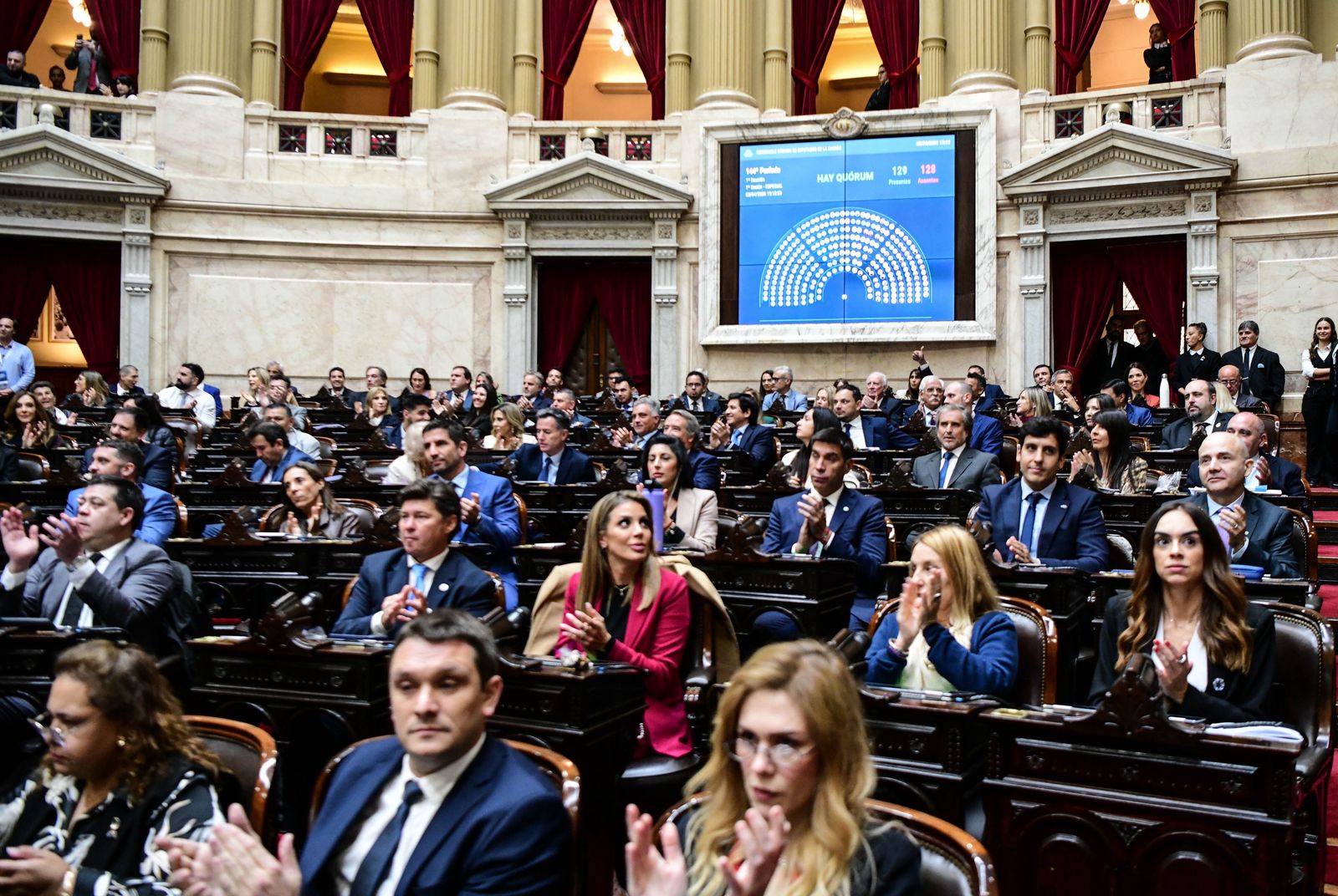
Lower House approves Mileis reform on glaciers protection law
 Martina JaureguyApril 9, 20263 Mins read
Mining will now be allowed in areas surrounding glaciers near the Andes mountains after the Lower House approved modifications to a law that protects those ice masses. The change gives provinces the power to decide over potential mining projects in those regions. The proposal passed in the early hours of Thursday with 137 votes in favor, 111 against and three abstentions. Among those who backed the provision filed by President Javier Milei were not only lawmakers from the ruling libertarian party and their usual Congress allies, but also deputies from provinces rich in lithium and copper that will be benefitted by the changes — San Juan, Catamarca, Jujuy, Salta and Mendoza. Some of those deputies that supported the bill are from the hard-line opposition, including two Peronists from San Juan. The bill had already been greenlit by the Senate in February, which was followed by an intense commissions debate in the Chamber of Deputies. The original glaciers law, which has now been modified, was approved in 2010 with the goal of establishing the minimum conditions for an ice formation to be considered a glacier or a periglacial area — which is a portion of frozen mountain land that can defrost depending on the season. While the Argentine Constitution states that natural resources belong to the provinces and their governments have power of decision over them, the glaciers law specifically protected those areas and banned mining and hydrocarbon activities in them, as well as any construction or industry that could affect them. It also created an inventory of glaciers and periglacial areas. Argentina was the first country in the world to approve a law protecting glaciers and periglacial areas, which established protection across the country, superseding the provinces’ power of decision on natural resources in their areas. The change approved by Congress on Thursday established that provinces will now be allowed to decide the extent of these protected areas and whether they want to allow mining in them or not. A statement from the President’s Office celebrated its approval, saying it will “guarantee juridical security and give power to the provinces to use their resources.” The statement said that glaciers and periglacial areas that are sources of water will continue to be protected, but now mining will be allowed in sectors that were “wrongfully catalogued as glaciers” and should not be protected by the law. “The original writing was confusing and created absurd interpretations that banned mining activities in general, even where there was nothing to protect,” it declared. The President’s Office added that the reform “eliminated ideological distorsions and artificial obstacles” in the original law “that blocked progress.” “This bill reaffirms that genuine care for the environment and economic growth are not enemies, but complementary engines for a free and prosperous nation.” In the statement signed by President Milei, the government thanked governors Marcelo Orrego (San Juan), Raúl Jalil (Catamarca), Carlos Sadir (Jujuy), Gustavo Sáez (Salta) and Alfredo Cornejo (Mendoza). While Orrego, Sadir and Cornejo come from parties allied to Milei’s La Libertad Avanza, Jalil and Sáenz are Peronists, although they have also backed Milei on several occasions. Protests and concern Environmentalist organizations and private citizens held protests outside Congress and in the capitals of the provinces affected by the modification of the law while the debate took place. Several Greenpeace members were temporarily arrested after they climbed a monument and held a sign that said “Deputies, don’t betray Argentines.” Environmental organizations are now planning to take the matter to court. Following the approval of the modification to the law, they announced they are preparing “the largest class action lawsuit in history to defend water,” saying it is “unconstitutional.” The initiative was launched by Greenpeace, FARN foundation and the Argentine Environmental Association, who said that the reform “endangers the water of millions of people” in Argentina. “We can’t sit and do nothing,” they declared. In an open letter published before the session, an international group of glaciologists and scientists from related areas said that the original version of the law was a necessary technical instrument “for the sustainable management of glacial systems” in Argentina. They argued that periglacial areas — which were the main target of the reform — act as “regulators of water resources” and that, “far from being marginal areas, they concentrate great volumes of underground ice that are not visible on the surface and have essential roles in the stability of mountain basins.”

Conectividad regional, auge de escapadas y la pasión por el turismo deportivo del viajero argentino
El pulso del turismo emisivo en la Argentina atraviesa un momento de...
 WindwhistlerOctober 13, 20260
El último tiro cambió todo: pescó un pez elefante y ganó $ 20.000.000
Promediando el cierre de la semana pasada los pronósticos parecían tronchar la...
WindwhistlerOctober 13, 20260
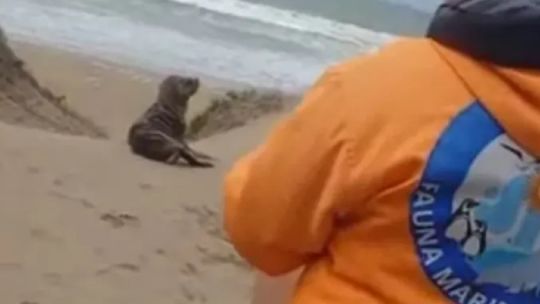
Así rescataron a un cachorrito de lobo marino de un pelo en los médanos de Miramar
Un sorpresivo y emotivo procedimiento de preservación ambiental conmovió por completo a...
WindwhistlerOctober 13, 20260



Proyectan exportaciones récord del agro en 2027, pero advierten que aún faltan dólares para el año electoral
A un año de las elecciones presidenciales, la pregunta sobre si estarán...
WindwhistlerOctober 13, 20260
