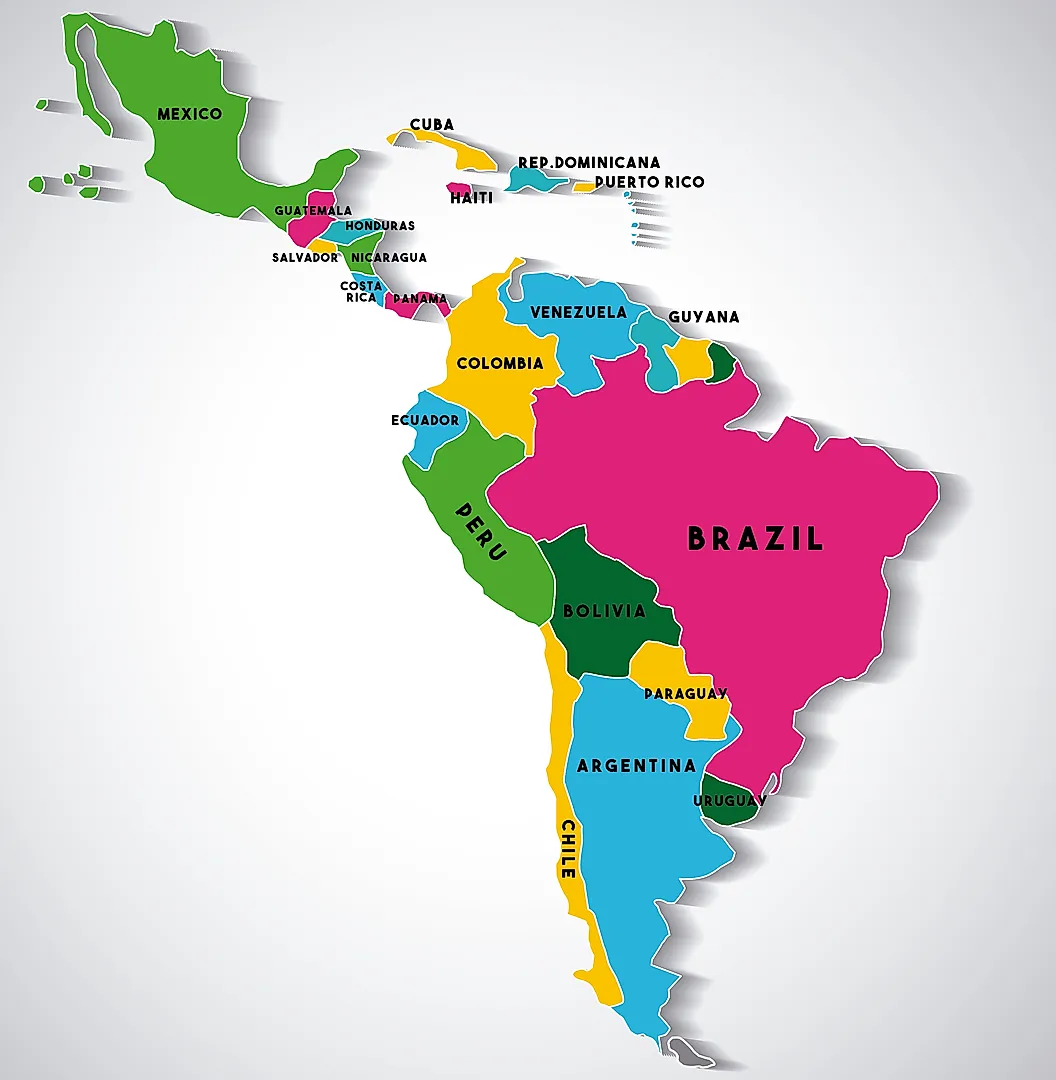
I’m a writer and yoga teacher based in Washington DC. I’ve travelled widely, but this time I did something different. I went to Chile not for a holiday, and not to become an expat. I went to live there for a while, to keep working, to keep earning and to see whether there’s a workable middle ground between a fortnight away and blowing up your entire life and living as a digital nomad. It turns out, there is. And it’s better than either extreme. In midlife, you don’t need to reinvent everything to feel different. You can create movement and perspective without giving up your home, your routines, or your income. A trip like this can help you step into what’s next or confirm what’s already working. Here’s what I learned. Start with your home. Before you even think about flights, decide what you actually want: zero hassle, cost coverage, or income. Pick one. Where you stay matters. This is your temporary life revel in it. It should feel welcoming. You want to feel comfortable and be able to carry home your shopping with ease. It’s also your temporary work life, so reliable Wi-Fi and good natural light matter too. Just outside the city centre can be cheaper and more like a neighbourhood. I stayed just outside central Santiago five minutes from the metro, but calmer and cheap and that balance made a difference. If I were doing this again, I’d move less. Too many stops and you never quite land. My biggest tip: if you’re travelling alone, staying with a host can save you money and help you settle faster. Antonia Balazs Time zones are the part people underestimate. Chile is only two hours ahead of home, which made it workable I could write early, even teach yoga if I wanted to. Figuring out your daily workflow before you arrive is a gamechanger. It’s about keeping things moving without tying yourself in knots. Do your research and commit to one place for the whole time. Travel looks glamorous, but it adds up quickly. You also get more from putting down roots. Plan some day trips instead. In retrospect, I’d have travelled less it’s exhausting. You can find checklists for the basics like healthcare insurance and SIM cards. Reliable airlines are a must. When things go wrong, BA generally treats you far better than a budget carrier. When you’re stuck late at night, you want ease. Be intentional about when to spend more from big to little sums. Know when to get an Uber instead of the bus. Sometimes comfort isn’t indulgent, it’s practical. The biggest mistake is trying to do too much. Movement feels exciting, until it doesn’t. At one point, it felt like the landscape was sliding past us too quickly. That’s when we changed plans, skipped Argentina, and stayed longer in Valparaso. The trip improved immediately. Depth beats speed. Keeping it simple helps. You don’t need somewhere remote or impressive; a place where you speak the language, or know someone, often works better. This isn’t about ticking boxes, it’s about absorbing a place. Plans will change. They always do. Things go wrong at home too they just feel louder when you’re away. But people live here. Systems exist. You figure it out. Flexibility is the skill. What matters more than any of this is connection. Isolation is the real risk, not logistics. Find things that anchor you quickly. Sometimes being a lodger is more grounding than having your own place. Most important of all: talk to people. A quick question to a stranger often led to something better than anything I could have found on my phone. When the chiropractor was closed, a conversation with the security guard led me to another one in the building and it was great. You don’t get that from scrolling. I won’t pretend it was seamless. I was definitely sweary at times, wondering whether balancing the budgets and the planning was worth it. But I kept coming back to the same question: what is this replacing? Rent, commuting, burnout? And what’s the cost of staying exactly where you are, feeling stuck? You don’t need to become a digital nomad to change your life. There’s a wide, workable middle ground – and for many of us, especially in midlife, that’s where the real freedom is.
Not a tourist, not an expat: the rise of the midlife working trip
Date: