
National Bank of Genetic Data warns lack of budget prevents it from taking samples
 Martina JaureguyMay 15, 20262 Mins read
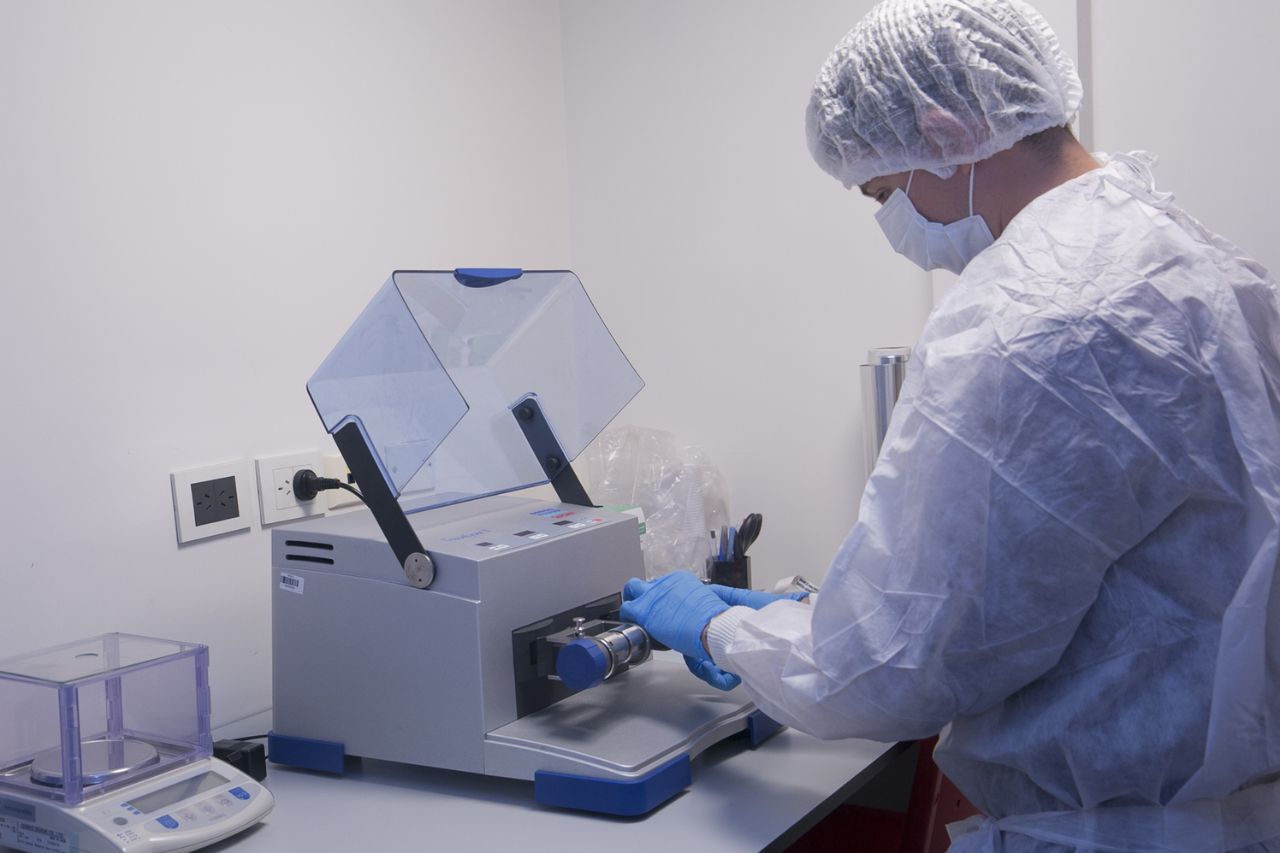
Argentina’s National Bank of Genetic Data, an institution dedicated to finding the stolen babies of dictatorship victims, warned that they are unable to continue taking samples requested by judges in crimes against humanity cases due to budgetary issues. In an official notice sent to federal judges last week, the institution’s technical director, Mariana Herrera Piñero, warned that it would no longer be able to process biological samples requested by the judiciary “strictly due to budgetary reasons.” The notification was sent to all courts that had requested the institution collect samples in ongoing cases involving the appropriation of children during the dictatorship. The message was titled “Critical budgetary situation at the National Bank of Genetic Data and its impact in complying with judicial requests.” The notice warned that the National Bank of Genetic Data (BNDG, by its Spanish initials) was facing a “critical operational situation” as a result of funding shortages that “compromise the continuity of essential services,” including cleaning, security and general building maintenance. It cautioned that any interruption to those services could hinder the institution’s ability to comply with judicial requests, potentially leading to the “suspension or delay of genetic analyses,” while also affecting the technical conditions required to guarantee the validity of its forensic procedures. The statement further warned that the preservation of biological material held in the bank’s custody — considered judicial evidence — “would be at risk.” The Grandmothers of Plaza de Mayo — the human rights group that spearheaded the creation of the bank — warned that the institution is “in danger” and denounced what it described as a “risk of paralysis” if the national government fails to release the additional funds needed to ensure its normal functioning. “Defunding the BNDG could cause irreversible harm to the restitution of the identities of grandchildren appropriated during the dictatorship,” the organization said, adding that the cuts could also affect other cases involving lost identities in which the institution has begun collaborating in recent years. The role of the BNDG The BNDG is a public institution created in 1987. It collects, stores, and analyzes DNA samples of relatives of people who were forcibly disappeared during the 1976-1983 dictatorship and compares them to those of people believed to be their stolen children. They work hand in hand with NGO Grandmothers of Plaza de Mayo and the National Identity Commission so that people currently in their late 40s or early 50s who suspect they may be children of dictatorship victims can discover the truth. The BNDG serves as the judiciary’s official forensic expert body, providing technical assistance in investigations. Its genetic analyses constitute key evidentiary material in efforts to establish the truth in cases involving the appropriation of children during the dictatorship. An estimated 500 babies were taken from victims of the dictatorship and placed with other families to be raised under false identities, according to the Grandmothers of Plaza de Mayo. To date, 140 of those children — now adults — have been identified thanks to the work of the bank. Milei’s chainsaw Public institutions devoted to memory and human rights policies have faced sweeping budget cuts since Javier Milei took office in December 2023. In 2024, the BNDG’s budget was cut by 35%, and in 2025 by 30%. In 2026, it suffered another drop of 5.8%. This means that its resources have been cut by 57% during the Milei era. In 2025, the government restructured the BNDG, curtailing its autonomy and administrative powers by downgrading it from a decentralized agency to a “deconcentrated” body. The institution now operates under the Secretariat for Innovation, Science, and Technology.


CONMOCIÓN: murió Rosa del Valle Rasgido
 notienredSeptember 13, 20260

Claudio Barrelier reveló por qué mató a Agostina Vega: Obsesión por la
notienredSeptember 13, 20260

Asesinaron a Alfredo Wiebel y se dieron a la fuga
notienredSeptember 13, 20260



Clima en Ciudad de Buenos Aires: sábado 12 de septiembre
Sábado en la Ciudad de Buenos Aires con una temperatura máxima de...
 WindwhistlerSeptember 13, 20260
