
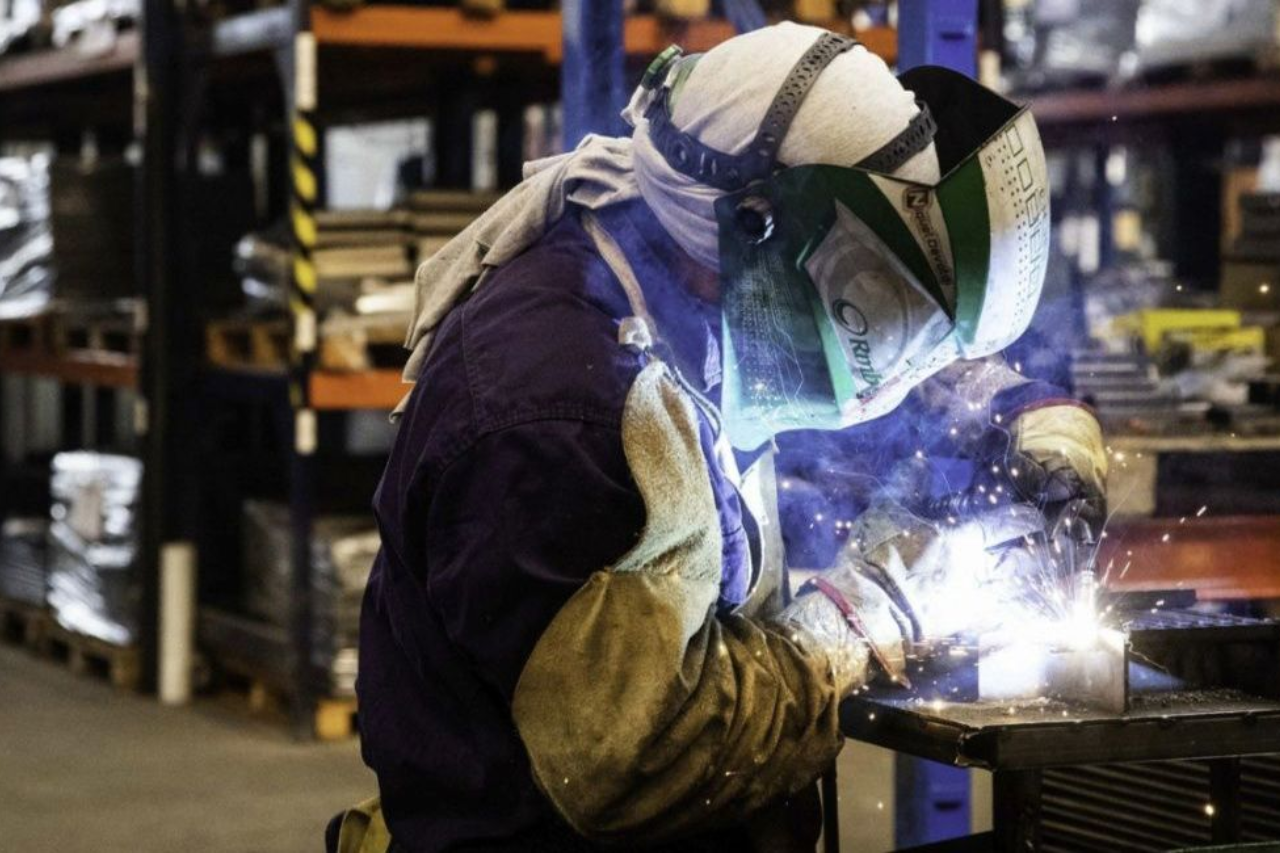
Argentine industry is on the verge of running out of natural gas this winter
 Juan Marcos PollioMay 23, 20263 Mins read
Cold temperatures, the war in the Middle East, and a failed liquefied natural gas (LNG) tender threaten to drive up costs for Argentine industries and potentially leave them without natural gas as winter approaches. The situation is a result of local law, which offers households and small businesses priority over industry in the event of a gas shortage. Large utility companies may even suspend service to industries in the event of peak demand from other sectors. With this fall seeing lower-than-normal temperatures, the risk is that this trend will continue and demand from priority sectors will end up consuming the entire supply. The most unexpected problem, however, was the failure of the tender issued by the Argentine government last month. From an alternative that potentially promised greater efficiency and lower prices, the industrial sector suddenly found itself with the government once again in charge of supply — only at costs exponentially higher than those it had promised. The failed tender Since 2004, state-owned company Argentine Energy (in Spanish, Enarsa) has been responsible for managing the purchase and distribution of LNG, which is used to replace natural gas during the months of peak demand. This prevented the cost of imported gas — which is much more expensive than domestic production — from impacting companies’ profitability and eventually feeding into overall inflation. The Milei administration, however, decided to end this scheme as part of the fiscal tightening it has been carrying out since coming into office. The goal was to have the private sector bear the costs, while Enarsa would only issue a tender for a distributor to run the operation. Last month, it was announced that the winner of that tender was Spanish company Naturgy. The bid was priced at US$4.51 per million BTU (thermal energy unit). This fee included towing; maritime agency services; the use of the terminal located in Escobar, regasification — the process of converting gas from liquid to gaseous form — and the use of the gas pipeline right up to its connection to the distribution system. However, the energy and mining coordination secretariat, part of the economy ministry, canceled the tender. The reason? A technical report by Enarsa estimated that the cost of the operation for the same amount of BTU would be around US$3.50. Rising gas prices The situation caused Enarsa to take back control of sourcing LNG to meet the peak demand expected in June. There is, however, a key difference compared to the past: imported gas would now be sold to the private sector, without Enarsa bearing the costs. Last week, Enarsa informed companies seeking to secure energy supplies for the winter that, in June, the costs associated with regasification and other services would be US$5.16. The amount is 47.4% higher than the previous figure. Not only that, it is even higher than the private offer the government rejected, which was scheduled to last the entire winter. On top of this, the price of liquefied gas itself has continued to rise since the start of the war in the Middle East. From US$9 per million BTU at the beginning of the conflict, the number now sits at US$16. Although the government has not provided an official explanation for the higher costs, Energy and Mining Coordination Secretary Daniel González defended the government’s decision and sought to reassure the sector. “We are going to ensure that when we cover the entire winter, the total cost will not be higher than what we would have had with the private sector,” he told Diario de Río Negro. Companies are not happy The agricultural and industrial sectors were quick to react. The Argentine Oil Industry Chamber (CIARA) told the energy ministry that “the cost of regasification is out of proportion with international benchmarks.” They demanded “a technical explanation” of how the figure was decided, given that it is a “highly sensitive amount in a cost that is already very high for the sector to bear.” Discontent has also spread in recent days to producers in the Argentine Northwest (in Spanish, NOA), primarily in the sugar and lemon industries. Tucumán Industrial Union Vice President Florencia Andreani told the Herald that Naturgy’s regional distributor informed them that the government had reallocated available gas transport capacity and that there was a shortage in the region. “They suggested that companies that haven’t purchased gas do so urgently or consider another possible energy source,” she explained, adding that power outages could last up to “90 consecutive and uninterrupted days.” Andreani said that, through the Tucumán provincial government, they were able to obtain an “energy quota” from state-owned oil company YPF and purchase natural gas under US$11, considerably less than the US$22 to US$24 that had been previously discussed. Córdoba has not been so fortunate. According to the province’s industrial chamber, 130 companies have been affected by gas restrictions. Chamber President Luis Macario said that negotiations with the government regarding this issue have not made any progress.
Conectividad regional, auge de escapadas y la pasión por el turismo deportivo del viajero argentino
El pulso del turismo emisivo en la Argentina atraviesa un momento de...
 WindwhistlerOctober 13, 20260

El último tiro cambió todo: pescó un pez elefante y ganó $ 20.000.000
Promediando el cierre de la semana pasada los pronósticos parecían tronchar la...
WindwhistlerOctober 13, 20260

Así rescataron a un cachorrito de lobo marino de un pelo en los médanos de Miramar
Un sorpresivo y emotivo procedimiento de preservación ambiental conmovió por completo a...
WindwhistlerOctober 13, 20260



Proyectan exportaciones récord del agro en 2027, pero advierten que aún faltan dólares para el año electoral
A un año de las elecciones presidenciales, la pregunta sobre si estarán...
WindwhistlerOctober 13, 20260
