
Trump-Xi summit reopens the question of when Milei will visit China
 Alejandra ConconiMay 23, 20262 Mins read
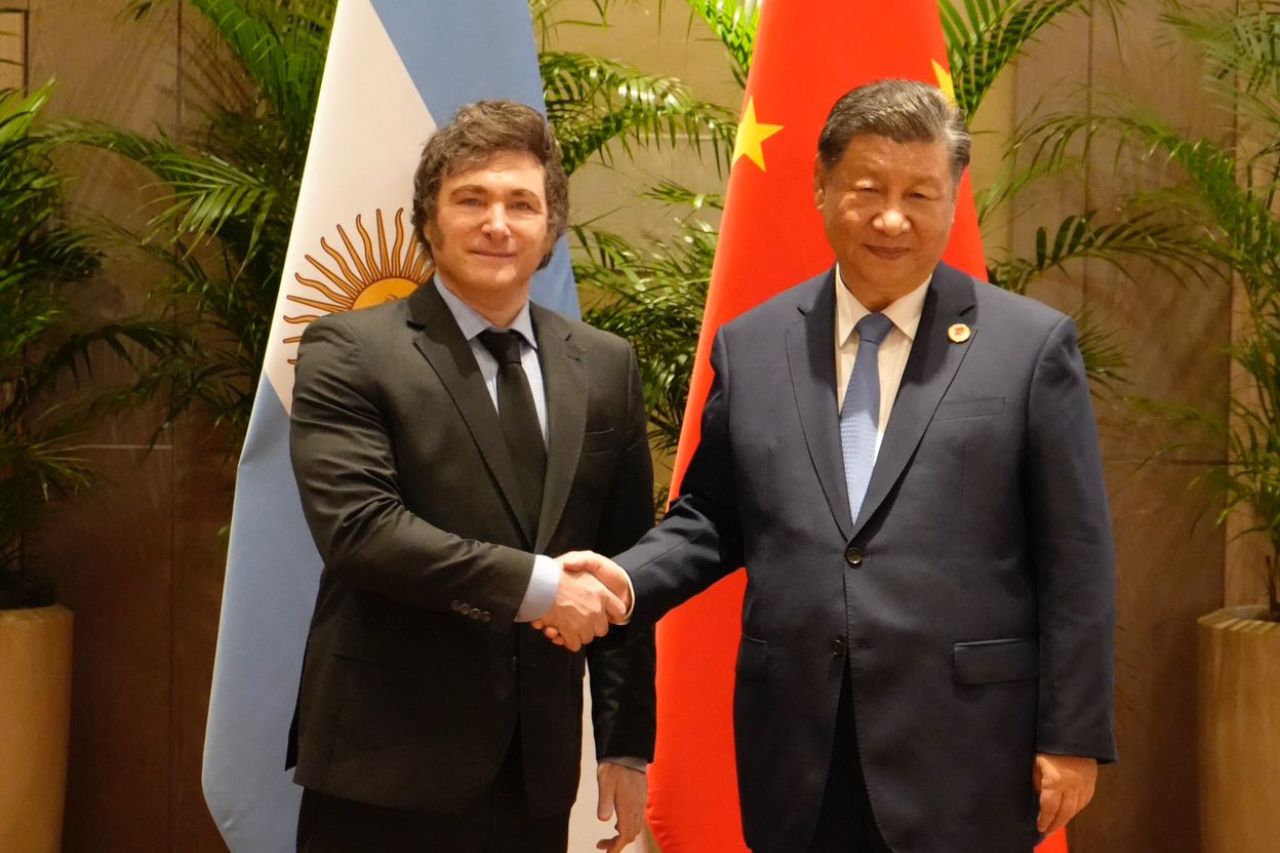
Alejandra Conconi is the executive director of the ArgentinaChina Chamber. This piece is part of the Argentine-Chinese Chamber of Commerces monthly column in theBuenos Aires Herald. U.S. President Donald Trump visited China from May 13 to 15 for a summit with his counterpart, Xi Jinping. The meeting, which had been postponed for weeks, took place amid the conflict with Iran, trade disputes, and tensions over Taiwan. The last face-to-face meeting between the two leaders had been in October 2025 in South Korea, during the Asia-Pacific Economic Cooperation (APEC) summit. The United States delegation included a large business contingent made up of companies with key interests in relations with China. Among them were some of the wealthiest and most influential U.S. business leaders, like Elon Musk (Tesla), Tim Cook (Apple), and Larry Fink (BlackRock). The group had scant female representation, with Jane Fraser (Citigroup) and Dina Powell McCormick (Meta) as the only women. The Chinese representatives included Premier Li Qiang, Vice President Han Zheng, Foreign Minister Wang Yi, and Chinas Ambassador to the United States Xie Feng, among other prominent officials. Trump arrived in Beijing with the intention of focusing on trade and investment. Xi Jinping, on the other hand, made it clear once again that Taiwan constitutes a non-negotiable red line for China. The Taiwan issue is the most critical in China-U.S. relations, Xi said, according to an official summary published by Xinhua, Chinas state news agency. According to press reports, the talks covered a range of topics, from Iran and Taiwan to trade, rare earths, and semiconductors. There were also clear displays of soft diplomacy, such as the two leaders stroll through Xis private garden in Zhongnanhai. These moments highlighted the unique nature of what marked the first meeting in Beijing between the two historic rivals in nearly a decade. Trump has redefined Washingtons role in the world, while Xi has consolidated his power domestically and driven Chinas technological transformation. The meeting between the two leaders has implications not only for the bilateral relationship between the two powers but also for other countries that are currently seeking to balance their ties with Beijing and Washington. What the Argentina-China relationship will be is still an enigma The summit between the leaders of the United States and China raises new questions about Argentinas foreign policy and the future of bilateral relations between Buenos Aires and Beijing. One of those enigmas circles around when Argentine President Javier Milei will visit the Peoples Republic of China. It is worth noting that the currency swap between the two countries is set to be renewed in July of this year, a key financial instrument for the stability of Argentinas reserves. While it appears that the Milei administration is willing to renew it, a high-level official will have to travel to Beijing. This all takes place against the backdrop of a new dynamic in the region. On December 4, 2025, the Trump administration published the latest edition of its National Security Strategy. The document states that Washington will seek to deny non-hemispheric competitors the ability to possess or control strategically vital assets” in its hemisphere. For the Southern Cone, however, it is difficult to avoid China’s strong presence, especially considering that the country is the main trading partner of several Latin American countries (Brazil and Argentina, for example) and a key player in major projects (such as the port of Chancay in Peru). It is impossible to envision a disengagement from Beijing, given the level of commitments made regarding infrastructure and financial architecture in the region. Case in point, during the recent SIAL Shanghai event, Asia’s Premium Food and Beverage Trade Fair, Argentinas main export sectors led a ministerial-level mission to promote the implementation of previously negotiated agreements and advance the effective opening of new trade opportunities for the country.



Conectividad regional, auge de escapadas y la pasión por el turismo deportivo del viajero argentino
El pulso del turismo emisivo en la Argentina atraviesa un momento de...
 WindwhistlerOctober 13, 20260

El último tiro cambió todo: pescó un pez elefante y ganó $ 20.000.000
Promediando el cierre de la semana pasada los pronósticos parecían tronchar la...
WindwhistlerOctober 13, 20260

Así rescataron a un cachorrito de lobo marino de un pelo en los médanos de Miramar
Un sorpresivo y emotivo procedimiento de preservación ambiental conmovió por completo a...
WindwhistlerOctober 13, 20260



Proyectan exportaciones récord del agro en 2027, pero advierten que aún faltan dólares para el año electoral
A un año de las elecciones presidenciales, la pregunta sobre si estarán...
WindwhistlerOctober 13, 20260
