
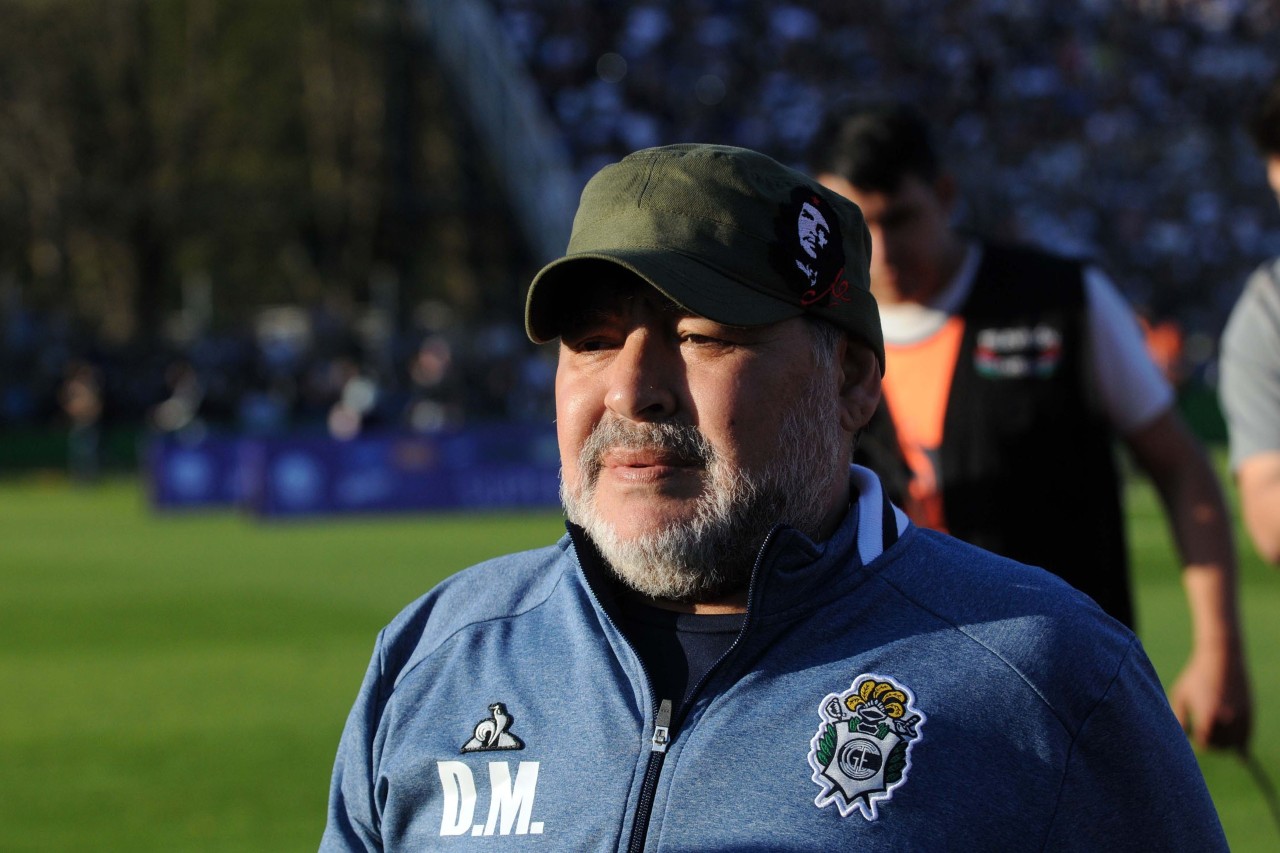
Maradona trial: Clinic director says Luque and Cosachov pushed for home hospitalization
 Fernando Romero NunezMay 27, 20262 Mins read
Pablo Dimitroff, the former director of the clinic where Argentine football superstar Diego Maradona underwent surgery days before his death, said the star’s chief medical advisor Leopoldo Luque and psychiatrist Agustina Cosachov were the ones who “decided to take Maradona home.” The former director of Clínica Olivos was the key witness at Tuesday’s hearing, which also heard testimony from neurosurgeon Pablo Rubino and psychiatrist Marcela Waisman. Dimitroff described Maradona as being in poor condition when he was admitted to the clinic, saying he slurred his words and that “it was hard to have fluid communication with him.” “You could tell from his replies that he wasn’t fully aware of where he was, and he struggled to move around,” the doctor said. He said the football star improved after surgery to remove a subdural hematoma — a blood clot beneath the skull — but that new complications soon emerged. “He immediately asked to leave the clinic and return home,” Dimitroff said, adding that Maradona became difficult to manage, frequently removing his IV tubes and at times requiring sedation. Against home care According to the former clinic director, that made him think “it’d be difficult to handle Maradona in home care” and that he proposed moving him to a rehabilitation center instead. “The treating medical team decided to take Maradona home, they were the ones who suggested it,” he said. “It was Luque and Cosachov.” Dimitroff’s testimony could prove crucial, as it supports the family’s claim that the decision to move Maradona to a gated community for home hospitalization was driven by his doctors, rather than reached collectively as the defendants have argued. Details of the operation and treatment Earlier in the day, neurosurgeon Pablo Rubino and psychiatrist Marcela Waisman gave their testimonies. Rubino said he ordered a new MRI scan after Maradona was admitted to Olivos Clinic, and that doctors subsequently agreed to operate on the hematoma. He explained that the blood clot had “grown beyond 10 millimeters,” making surgery “the recommended course of action.” “[The hematoma] reduces blood flow and oxygen supply and eventually causes the brain to shift,” he said. “Diego had a 6-millimeter brain displacement; once it exceeds 5 millimeters, surgery is already recommended.” This contradicts testimonies of doctors at the Ipensa Clinic, a hospital in La Plata which Maradona had been taken to before going to the Olivos Clinic, who had said they didn’t believe the former footballer’s condition required surgery. Rubino was widely reported at the time to have operated on Maradona — after claims that Luque had performed the procedure were dismissed — but he said he was not the lead surgeon either. “Luque requested two teams, one led by him and another led by me as backup,” Rubino said, adding that Luque participated only in the preparatory stages before his associate, Ariel Sainz, took over the drilling and drainage procedure. Rubino described it as a routine surgery that proceeded without complications and said he observed an improvement in Maradona afterward, though it was the last time he saw the star. Psychiatrist backs Cosachov For her part, Waisman said she had been contacted by the doctor who treated Maradona for drug addiction and a heart attack in Cuba in 2000. She testified that Maradona refused to see her directly, but that she remained in contact with his treating psychiatrist, Agustina Cosachov. In her testimony, Waisman backed Cosachov’s handling of Maradona’s symptoms — including depression, bipolar disorder and psychomotor agitation linked to withdrawal — as well as the medication she prescribed.
Conectividad regional, auge de escapadas y la pasión por el turismo deportivo del viajero argentino
El pulso del turismo emisivo en la Argentina atraviesa un momento de...
 WindwhistlerOctober 13, 20260
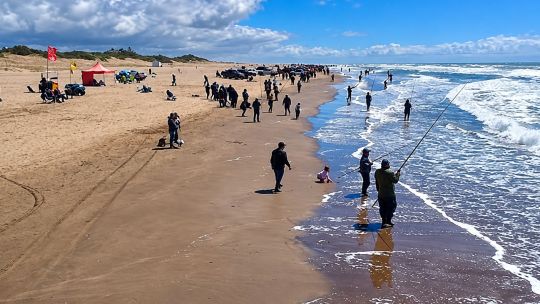
El último tiro cambió todo: pescó un pez elefante y ganó $ 20.000.000
Promediando el cierre de la semana pasada los pronósticos parecían tronchar la...
WindwhistlerOctober 13, 20260
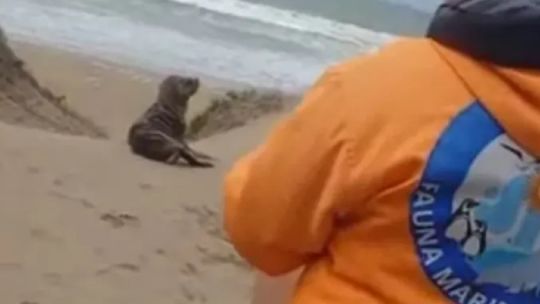
Así rescataron a un cachorrito de lobo marino de un pelo en los médanos de Miramar
Un sorpresivo y emotivo procedimiento de preservación ambiental conmovió por completo a...
WindwhistlerOctober 13, 20260



Proyectan exportaciones récord del agro en 2027, pero advierten que aún faltan dólares para el año electoral
A un año de las elecciones presidenciales, la pregunta sobre si estarán...
WindwhistlerOctober 13, 20260
