
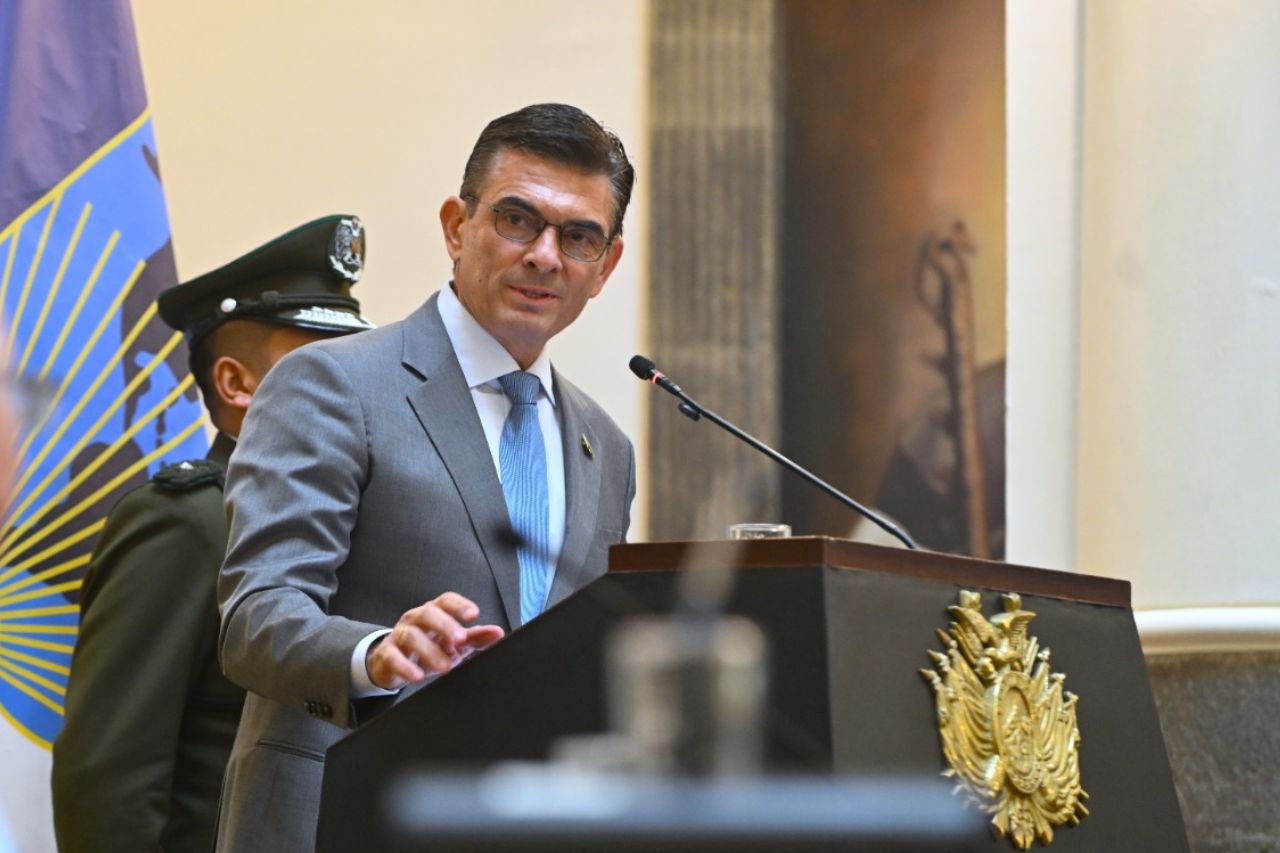
Bolivia declares state of emergency amid violent protests
 Buenos Aires HeraldMay 27, 20262 Mins read
Bolivian President Rodrigo Paz, backed by Congress, declared a state of emergency and deployed the armed forces across the country on Wednesday in an attempt to disperse the protests and roadblocks that have been keeping the administrative capital, La Paz, and other cities isolated for a month. The government confirmed a person died during a military and police operation over the weekend, despite initially claiming there had not been any casualties. Political and social tension continues to escalate as protests that began with demands for better salaries and working conditions have evolved into calls for President Paz to resign, just six months into his administration. The government accused former president Evo Morales of leading the protests and denounced him for attempting to “tear down” democracy in Bolivia. Morales and his supporters, however, claim they only joined demonstrations initiated by other sectors dissatisfied with the current center-right administration. State of emergency On Tuesday night, the Bolivian Congress overturned a 2020 law limiting the scope of a state of emergency. The legislation had established that the military could only be deployed once police capacity had been exceeded. Following the congressional decision, in the early hours of Wednesday Paz declared a state of emergency and ordered the armed forces to take over operations aimed at dispersing protests and roadblocks. The legislative session was held online, as several lawmakers were unable to reach La Paz due to the roadblocks. Hours later, the president enacted the measure and formally declared the state of emergency, which he had previously described as his “last option” should dialogue efforts fail. The government has been negotiating with several protesting sectors, so far without success. One dead On Monday, Presidential Spokesman José Luis Gálvez confirmed that one person died during an operation aimed at establishing a “humanitarian corridor” through a key roadblock to allow food, medicine and fuel to enter La Paz and El Alto amid a critical shortage of supplies. The operation, carried out on Saturday, was suspended after clashes between protesters and police prevented the convoy from advancing and reaching its destination. Gálvez apologized for the government’s initial claim that there had been no fatalities. According to him, information received during the operation was contradictory, and authorities only confirmed the death on Sunday. “No Bolivian should lose their life under such circumstances,” Gálvez lamented. The authorities claim four people have died due to problems related to the roadblocks, including a 12-year-old who was unable to receive medical attention in time, according to news agency EFE. Paz blames Evo Morales The protests are led by several sectors, including teachers, farmers, miners’ cooperatives and transport workers, as well as supporters of former Bolivian President Evo Morales. The current administration has blamed Morales for the situation. In an interview published by Argentine newspaper Clarín on Tuesday, Paz harshly questioned the ex-president, saying he is “a sick man.” “He is a man corrupted by power who does everything he can to tear down this democratic process,” Paz accused. Before declaring the state of emergency, the president had said there would be a solution “soon” and that “dialogue” was the answer. On Monday, Paz also announced that he would cut the salaries of the national cabinet — including his own — by half in a new attempt to ease the social unrest.


Conectividad regional, auge de escapadas y la pasión por el turismo deportivo del viajero argentino
El pulso del turismo emisivo en la Argentina atraviesa un momento de...
 WindwhistlerOctober 13, 20260
El último tiro cambió todo: pescó un pez elefante y ganó $ 20.000.000
Promediando el cierre de la semana pasada los pronósticos parecían tronchar la...
WindwhistlerOctober 13, 20260

Así rescataron a un cachorrito de lobo marino de un pelo en los médanos de Miramar
Un sorpresivo y emotivo procedimiento de preservación ambiental conmovió por completo a...
WindwhistlerOctober 13, 20260



Proyectan exportaciones récord del agro en 2027, pero advierten que aún faltan dólares para el año electoral
A un año de las elecciones presidenciales, la pregunta sobre si estarán...
WindwhistlerOctober 13, 20260
