
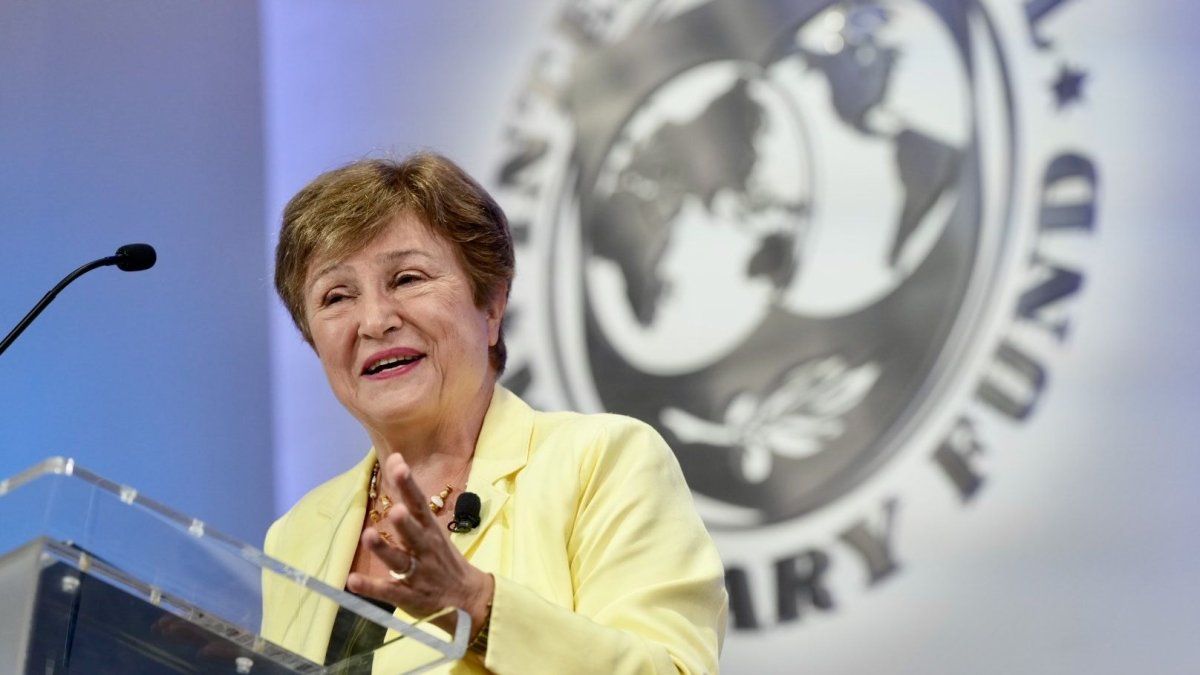
Kristalina Georgieva llega a la Argentina: respaldo del FMI a Javier Milei por las reservas, con dudas sobre las cuentas fiscales
 WindwhistlerJuly 27, 20264 Mins read
La directora gerente del Fondo Monetario Internacional iniciará este lunes una visita de tres días que el Gobierno interpreta como un fuerte respaldo político al rumbo económico. El organismo busca consolidar el programa vigente, monitorear las reformas estructurales y sostener la estabilidad macroeconómica, aunque mantiene la atención sobre el frente fiscal y la acumulación de reservas. Semana cargada para mercados: la Fed define tasas, Georgieva visita la Argentina y el Tesoro enfrenta nueva licitación Milei recibe a Georgieva y retoma su agenda internacional con una gira por la región La directora gerente del FMI iniciará este lunes una visita de tres días a la Argentina en un nuevo gesto de respaldo al Gobierno de Javier Milei. El organismo destaca la mejora en las reservas, pero mantiene la atención sobre la consolidación fiscal y el avance de las reformas estructurales. La directora gerente del Fondo Monetario Internacional (FMI), Kristalina Georgieva, llegará este lunes a la Argentina en una visita que trasciende el plano protocolar y representa uno de los mayores gestos de respaldo político del organismo hacia la administración de Javier Milei. Invitada por el Presidente, la titular del Fondo permanecerá hasta el miércoles con una agenda reservada que incluirá reuniones con funcionarios nacionales, empresarios y una recorrida por Vaca Muerta. El viaje se produce en un momento clave para el programa acordado entre la Argentina y el FMI. Si bien el organismo destacó los avances en materia de estabilización, desinflación y recuperación de la actividad, aún observa con atención la evolución de las cuentas públicas, el nivel de reservas internacionales y la continuidad de las reformas comprometidas por el Gobierno. El plan del FMI para la Argentina: reservas, cuentas fiscales y las reformas La visita de Georgieva apunta a ratificar el respaldo institucional al programa económico de Milei, pero también a reforzar la agenda de reformas estructurales que el Fondo considera necesarias para consolidar la recuperación. Entre los ejes que el organismo busca impulsar figuran la aprobación de una nueva Carta Orgánica del Banco Central que fortalezca su independencia y prohíba el financiamiento monetario del Tesoro, la continuidad del equilibrio fiscal, la profundización de la desregulación económica y el desarrollo del mercado de capitales. En las últimas semanas, el FMI respaldó públicamente el proyecto oficial para modificar el funcionamiento del BCRA al considerar que contribuirá a fortalecer la política monetaria. Al mismo tiempo, el Fondo pretende garantizar que el programa mantenga consenso político y continuidad. En ese sentido, la presencia de Georgieva busca enviar una señal a los mercados internacionales de que el organismo sigue acompañando la estrategia económica del Gobierno, incluso en un contexto global marcado por mayores tensiones geopolíticas y volatilidad financiera. El ministro Luis Caputo y la titular del FMI, Kristalina Georgieva, volverán a encontrarse en Buenos Aires este lunes. Las cuentas pendientes Pese al respaldo, el FMI mantiene algunos focos de preocupación. Uno de ellos es la capacidad de la Argentina para fortalecer sus reservas internacionales y sostener el cumplimiento de las metas pactadas sin resignar el equilibrio fiscal. También seguirá de cerca la evolución de la recaudación tributaria, el impacto de la desaceleración inflacionaria sobre los ingresos del Estado y la marcha de las reformas que el Gobierno pretende enviar al Congreso durante el segundo semestre. Para el organismo, esos cambios son determinantes para darle sustentabilidad al programa económico más allá de la estabilización alcanzada en los últimos meses. La visita de Georgieva, la primera que realiza al país como directora gerente del FMI, se da además luego de que el organismo ratificara su previsión de crecimiento de 3,5% para la economía argentina en 2026 y de que destacara la baja de la inflación como uno de los principales logros del programa económico de Milei. El FMI mantiene previsión de crecimiento para Argentina El Fondo Monetario Internacional (FMI) mantuvo sus previsiones de crecimiento para la Argentina: proyecta una expansión de 3,5% para el año en curso y de 4% para 2027. Así lo señala en la última actualización de su informe Panorama Económico Mundial (World Economic Outlook) dado a conocer este miércoles en Washington. Prevé un aumento del producto bruto global de 3% para 2026 en un mundo signado por dos shocks opuestos: la guerra en Medio Oriente – negativo – y la tecnología impulsada por la inteligencia artificial – positivo -. La tasa de variación de la actividad para la Argentina se encuentra por encima del promedio que el Fondo augura para América Latina y el Caribe. Mantiene una proyección de crecimiento estable para la región de 2,4% para 2026 y un leve repunte a 2,7% para 2027. Para el caso argentino, la previsión del FMI es más optimista que la reflejada por las consultoras privadas. El último Relevamiento de Expectativas de Mercado (REM) del Banco Central, prevé un crecimiento del PBI de 3% para el corriente año, es decir medio punto menos que la estimación del organismo internacional.


CONMOCIÓN: murió Rosa del Valle Rasgido
 notienredSeptember 13, 20260

Claudio Barrelier reveló por qué mató a Agostina Vega: Obsesión por la
notienredSeptember 13, 20260

Asesinaron a Alfredo Wiebel y se dieron a la fuga
notienredSeptember 13, 20260



Clima en Ciudad de Buenos Aires: sábado 12 de septiembre
Sábado en la Ciudad de Buenos Aires con una temperatura máxima de...
WindwhistlerSeptember 13, 20260
