
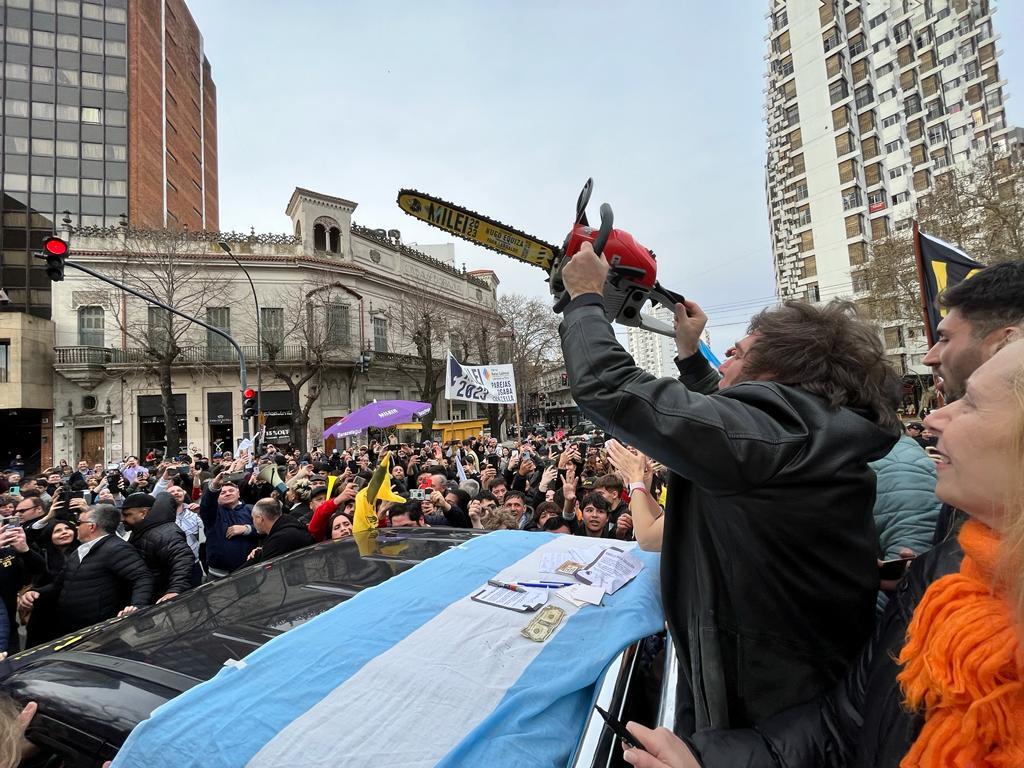
Government relies on chainsaw to maintain fiscal surplus
 Juan Marcos PollioAugust 18, 20262 Mins read
The Milei administration was able to maintain a fiscal surplus in July, the hallmark of its economic program. The primary fiscal surplus in the first 7 months of 2026 was 0.9% of GDP. Overall budget surplus, which includes debt interest payments, stood at 0.1% of GDP. “The fiscal surplus, which contributes to macroeconomic stability, was achieved amid cumulative tax cuts totaling nearly 3% of GDP since the beginning of the administration,” Economy Minister Luis Caputo celebrated on his X account. EN JULIO EL SECTOR PÚBLICO NACIONAL REGISTRÓ UN SUPERÁVIT FINANCIERO DE 244.897 MILLONES✅ El Sector Público Nacional (SPN) registró un superávit primario de $2.960.333 millones y un superávit financiero de $244.897 millones en julio ✅ Este resultado se alcanzó en un mes con…— totocaputo (@LuisCaputoAR) August 18, 2026 He added that the result was achieved despite the month having a high concentration of debt interest payments due. Government revenue grew 30.4% year-over-year in July 2026, with yearly inflation in the same month clocking in at 33.8%. This translates to a 2.5% decline, meaning that the administration relied on spending in order to make up for the shortfall. The sectors most affected were energy subsidies (20%) and transfers to the provinces (19%). There were also cuts to more sensitive sectors, such as social welfare (8.1%) and retirement benefits and pensions (4.8%). Government’s surplus under the microscope Milei’s challenge in the coming months will be to sustain the result as revenue continues to fall. The research center Instituto Argentino de Análisis Fiscal (in Spanish, IARAF) estimated that total revenue posted a real y-o-y decline of 4.6% in the first seven months of the year. Tax revenue plummeted by 6 percent. IARAF also noted that the government relied on extraordinary revenue from privatizations to maintain a balanced budget. Excluding the sale of state-owned enterprises, the cumulative primary surplus so far this year would have fallen by 26.6% compared to the same period in 2025. If this situation does not improve, the economic team will have to deepen spending cuts to avoid falling short of the 1.4% of GDP primary surplus target committed to the International Monetary Fund (IMF) for this year. Road maintenance gets trimmed One measure the government is also using to maintain the surplus has gained notoriety: failing to maintain national highways. Presidential spokesperson Adirán Ravier came under scrutiny last week after stating that not all funds from the fuel tax, the funding earmarked for the maintenance of national highways, were not being entirely used for that objective. “A portion goes to [road maintenance] while the rest is allocated by the economy ministry as part of achieving fiscal balance,” Ravier confirmed to a local media outlet. On Tuesday, he had to clarify that “funds are not being misappropriated” and that the government respects the allocation of resources stipulated in the national budget. Various studies confirm that this amount is not being fully utilized. An estimate by the think tank Instituto Argentina Grande calculated that since Milei took office in December 2023, the National Highway Administration (in Spanish, DNV) — the agency responsible for maintaining national highways — should have received approximately AR$1.35 billion (US$903,010 at the official rate) from that tax. According to the report, the DNV has spent only AR$676.9 million (US$452,775), just over 50% of the total.


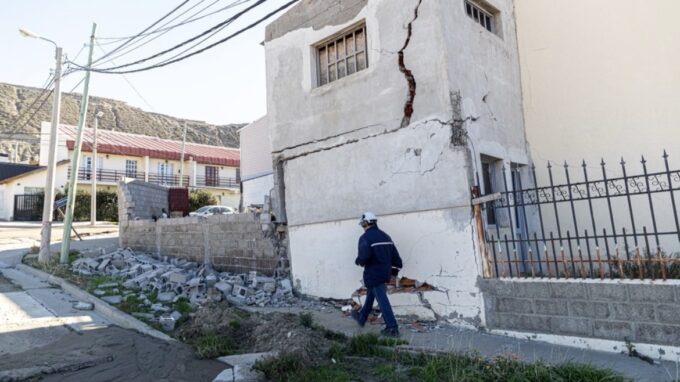
CONMOCIÓN: murió Rosa del Valle Rasgido
 notienredSeptember 13, 20260

Claudio Barrelier reveló por qué mató a Agostina Vega: Obsesión por la
notienredSeptember 13, 20260

Asesinaron a Alfredo Wiebel y se dieron a la fuga
notienredSeptember 13, 20260


Clima en Ciudad de Buenos Aires: sábado 12 de septiembre
Sábado en la Ciudad de Buenos Aires con una temperatura máxima de...
 WindwhistlerSeptember 13, 20260
