
Wages, one of the main victims of Mileis economic plan
 Juan Marcos PollioAugust 19, 20262 Mins read
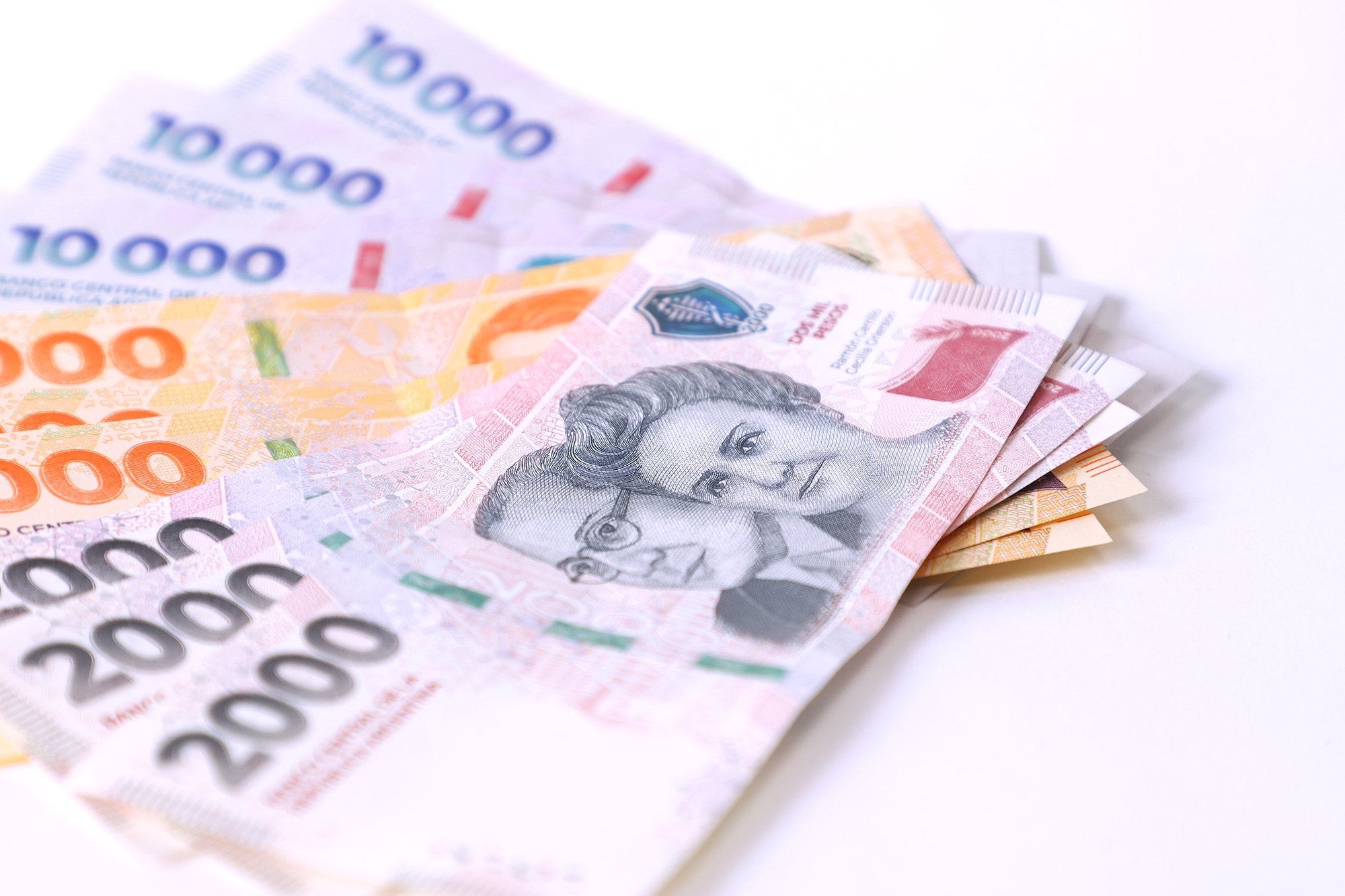
The Milei administration has been arguing for months that Argentines’ purchasing power is recovering after the sharp fiscal adjustment of 2024 even claiming it has already surpassed the levels seen under Alberto Fernndez’s presidency. That claim has been based on a specific indicator: the registered private-sector wage index, which is based on data compiled by the human capital ministry. Unlike the wage figure used by statistics institute INDEC, this indicator uses a different methodology, as it accounts for overtime, awards, and bonuses received by salaried workers. In recent days, however, the indicators dip left the government without a leg to stand on: after 20 straight months above the November 2023 mark the month before Mileis ascent to power the average wage in June clocked in 0.6% below the level registered nearly three years ago. In monthly terms, the average private-sector wage fell 0.9% in June. In May it had contracted 2.9%. The report, issued by the human capital ministry’s labor secretariat, explained that the drop in real wages over the past two months was due to the fact that wage growth has slowed more than inflation. It also explained that the average monthly pace of wage growth in the first four months of 2026 was 2.1%. Average growth in April and May reached just 1%. Less income, plus more spending and debt The center-left think tank Instituto Argentina Grande (IAG) used the human capital ministry data to compare the two scenarios and lay out how salaries have worsened. By its calculations, the average wage of a private-sector worker in April 2026 lost 4.3% of its purchasing power compared to the average for all of 2023. The drop in purchasing power is even worse when you account for disposable income after paying for utilities. In that scenario, the decline widens to 9.7%. IAG estimated that, since the change in administration, the impact a basket of utilities has on wages went from less than 5% in 2023 to 12.6% in July 2026. The figures are no small matter, given that the fall in wages is one of the issues weighing most heavily on the public agenda. A recent survey by the firm Zentrix found that 66% of Argentines run out of money before or by day 20 of the month. To cover those expenses in the final stretch before payday, nearly 62% applied for a loan in the past six months. Of that total, more than 53% took on debt because their income doesn’t cover basic expenses. Another 23% did so because of utility and public service hikes. Almost half of those who took out loans are having trouble paying them off: almost 29% find it very hard, while 12% have already fallen behind on a payment. An additional 6.4% admit they can’t pay at all. Almost 87% of those surveyed by Zentrix said it takes two or more jobs to make ends meet.


CONMOCIÓN: murió Rosa del Valle Rasgido
 notienredSeptember 13, 20260

Claudio Barrelier reveló por qué mató a Agostina Vega: Obsesión por la
notienredSeptember 13, 20260

Asesinaron a Alfredo Wiebel y se dieron a la fuga
notienredSeptember 13, 20260



Clima en Ciudad de Buenos Aires: sábado 12 de septiembre
Sábado en la Ciudad de Buenos Aires con una temperatura máxima de...
 WindwhistlerSeptember 13, 20260
