
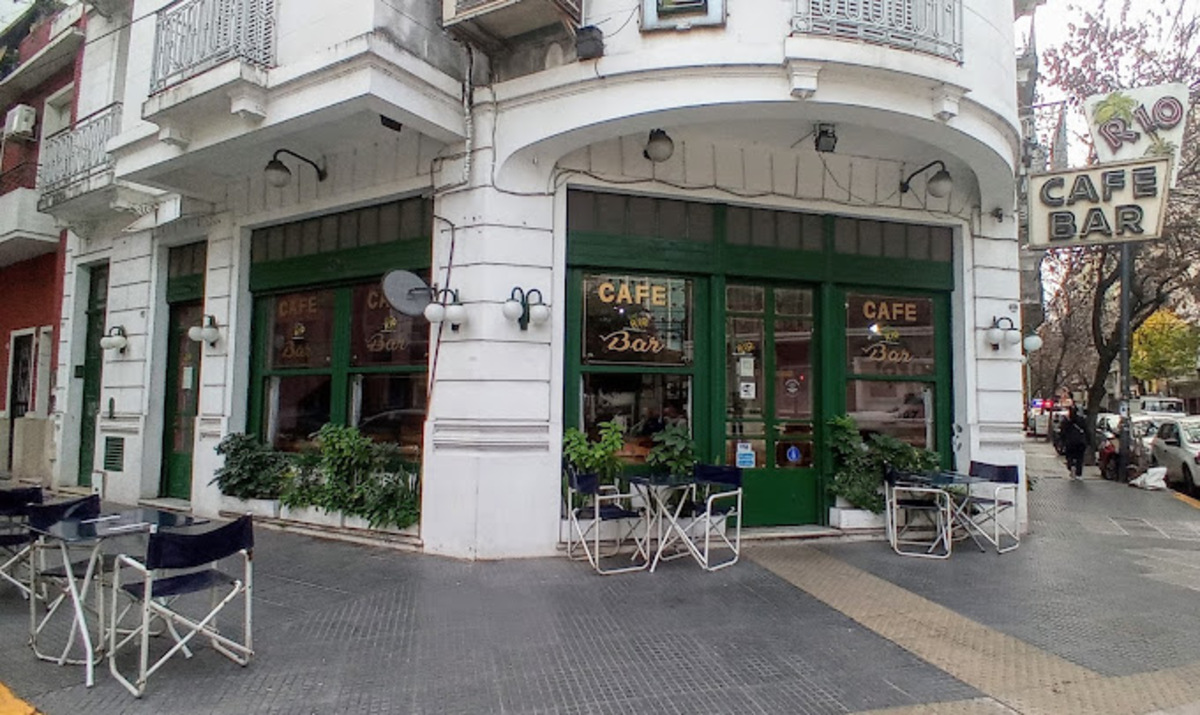

Last week, it was announced that after 35 years, Café Río is closing its doors*. Situated on a quaint Almagro corner, Río had achieved a status reserved for a select set of establishments in Buenos Aires: immune to critique or objective evaluation thanks to the extremely potent drug we call nostalgia. You know the one. That heady feeling that pushes us to defend the place with the horrible milanesa and gross bathroom because it’s where our grandmother used to take us on Fridays after picking us up from school. Where the smell of old grease and a cash-only policy are pushed aside to make room for memories of writing bad poetry to that one girl who broke your heart after a summer trip to Villa Carlos Paz. Where the ill-mannered waiters that make you feel more like an inconvenience than a paying customer are forgiven because the picture you snapped of them through the window from the sidewalk is doing numbers on Instagram. A raging debate It didn’t take long for opinólogos from both sides of the spectrum to roll up their sleeves and get to work. To the left, broken-hearted softies lamented the loss of an emblematic local café; to the right, fervent fans of the free market were eager to remind us just how bad the café con leche was. Porteños love few things more than getting into heated arguments on Twitter. We excel at turning absolutely everything into a black and white issue. After all, didn’t we basically invent the grieta? “BA needs as many bares de viejes as possible.” “Cafés like Río form an integral part of the porteño cultural fabric.” “Another casualty of the Milei/Macri political agenda.” “You say you’re sad that it’s closing, but did you ever even go there?” “Let’s stop romanticizing bad service, bad food, and disrepair.” “Plenty of old-school spots haven’t sacrificed quality for staying power.” I’m not interested in litigating the arguments, deciding which one is the closest to “correct” (which, in this case, feels both futile and ridiculous). No matter how much nuance surrounds a topic, we’ll find a way to be as reductive as possible about it. Ultimately, it’s about fighting to protect and preserve our cultural identity before it’s swallowed up by the monster that is global capitalism (and generally terrible taste). Who will we be — and what will become of us — when we lose the symbols that reflect this identity? A city fading away The things that most of us love about Buenos Aires are precisely what’s being dismantled by a serious economic crisis and a government that doesn’t care much about historic conservation or patrimonio laws. Gentrification is sweeping across the city’s 48 barrios, and the sanitized, corporate aesthetic introduced as a result is a punch to the stomach. It’s hard not to feel powerless and devastated when the men in charge appear hell-bent on taking away everything that gives us joy. I’d also like to make a case for mediocrity as a concept: why are we holding these spots to higher standards than we are the soulless franchises that have replaced local businesses with such aplomb? Seriously, I don’t see anyone up in arms about La Panera Rosa or Sbarro’s glaringly gauche branding and sub-par service. Nostalgia allows us to relive an analog, romanticized version of life, one with softer edges that help us process the harsher details of both past and present. In a place like Argentina, where the past, present, and future are almost always guaranteed to be harsh, carving out a space to indulge in comforting (if inaccurate) memories feels like less of a whim and more of a survival tactic. And let’s be real: as much as porteños love to fixate on what trends are buzzing through the cool capitals of el primer mundo, we also reserve a generous part of our hearts for the moody, melancholy, from-another-era bits that tap into a specific — and dare I say, essential — part of our DNA. My official take, then? It’s OK to go on a nostalgia bender every now and again, to yearn for the grain and the grit that makes Buenos Aires such a seductive and cinematic place to live in the first place. So if you need me, I’ll be at the closest nondescript café de barrio, leafing through whatever newspaper is free, reveling in mediocrity and all of the magic it holds. *According to this Instagram post from @bardeviejes, Café Río will re-open with new owners. Unless it’s Julián Díaz, allow me to remain skeptical of the final outcome.


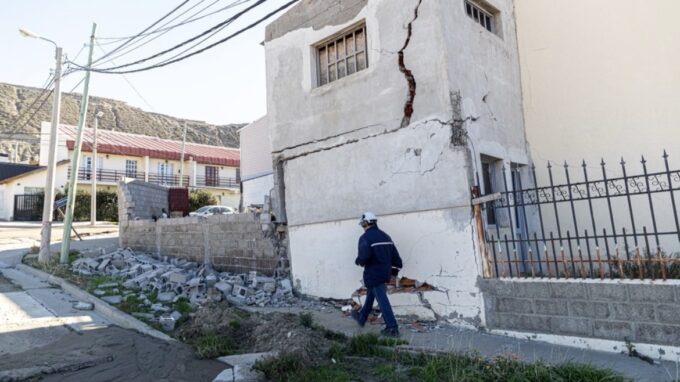
CONMOCIÓN: murió Rosa del Valle Rasgido
 notienredSeptember 13, 20260

Claudio Barrelier reveló por qué mató a Agostina Vega: Obsesión por la
notienredSeptember 13, 20260
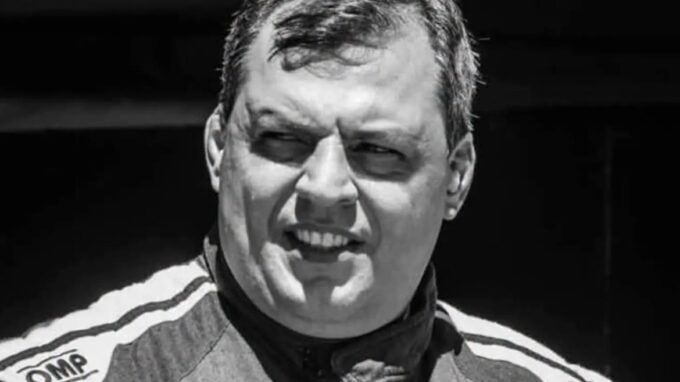
Asesinaron a Alfredo Wiebel y se dieron a la fuga
notienredSeptember 13, 20260


Clima en Ciudad de Buenos Aires: sábado 12 de septiembre
Sábado en la Ciudad de Buenos Aires con una temperatura máxima de...
 WindwhistlerSeptember 13, 20260
