
How the Argentine Tennis Association is finding the stars of tomorrow
 Argentine Tennis AssociationAugust 21, 20263 Mins read
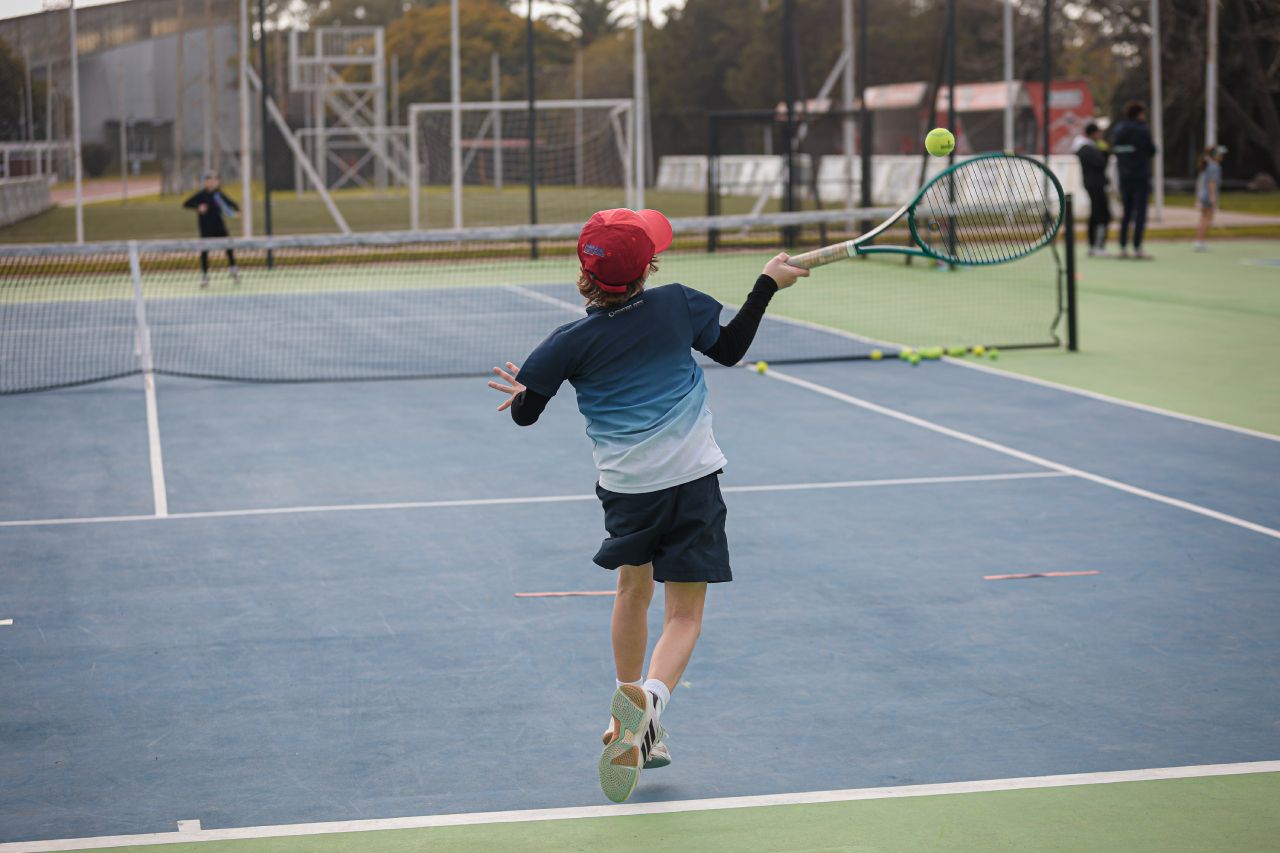
For decades, Argentine tennis had an unwritten rule for identifying promising young players: the earlier they won titles, the higher the expectations for their future. Winning in the children’s and junior categories was the main sign that a player could go far. That model, however, is being reevaluated The Argentine Tennis Association (AAT) is now trying to shift its outlook. The idea is not to focus on who is winning today but on what kind of player they might become five, eight, or ten years from now. This new perspective is one of the goals of the Argentine Technical Department (in Spanish, DeTA), launched by the AAT this year. The program aims to support players’ development from an early age and evaluate factors that go far beyond the outcome of a match or tournament. The program One of the program’s first events took place at the National High-Performance Sports Center (CeNARD) in Buenos Aires, where 16 under-10 and first-year under-12 boys and girls participated in a national transition camp. They arrived from eight provinces and Buenos Aires City, showcasing one of the program’s priorities: taking scouting and talent development outside the country’s biggest tennis hotspots. The program also aims to change old habits. Between 9 and 11, physical and developmental differences can have a decisive influence on outcomes. Kids who develop earlier dominate youth competitions but might not have the best tools to compete at the highest level. Conversely, players who struggle might be developing the skills that will make them shine years later. That’s why the new focus aims to break the correlation between immediate success and long-term potential. The central idea is that talent is not a spontaneous phenomenon, nor something that can be measured solely by victories, but rather a process that requires time, ongoing support, and interdisciplinary work. At the training camp, the kids took part in technical and tactical training sessions, physical evaluations, biomechanical and anthropometric assessments, performance tests, and workshops on nutrition, sports psychology, and training planning. Gonzalo Pressón, one of the DeTA coordinators, explained it’s a long-term project that starts at the grassroots level. “The idea is to begin monitoring athletes at an early age and work on all aspects of their development: tactics, technique, physical conditioning, psychological skills, biomechanics, and anthropometry,” he said. Supporting, not selecting One of the key differences in the new model is the use of data to track how each player develops over time. Physical and anthropometric evaluations are not intended to determine who is the best at a given moment but rather to build a record that helps the AAT understand how they’re developing and how that growth can influence performance. Javier Gil Herrera, strength and conditioning coach for the AAT technical department, explained that comparing players to previous generations allows them to “objectively track the growth of each player as they develop.” The program also incorporates an aspect that has long been overshadowed by technique and physical conditioning: psychological skills. The kids work on the thoughts that arise during games, how to manage their emotions, and the tools that can help them make better decisions on the field. Fiorella Perna, a psychologist with the technical department, said that it’s important for young players to be able to identify what thoughts they have during matches, which ones help them perform better, and which ones become obstacles. “If they incorporate these tools from an early age, they’ll be able to become much more self-reliant athletes in the future,” Perna added. Few players understand motivation, another core aspect of competition, as well as Carlos Berlocq. The former world No. 37 made his determination and never-say-never attitude the trademark of his career. Now, as a coach, he emphasized the importance of ensuring that a young player’s experiences aren’t solely about competing and winning. “The most important thing is for the kids to stay motivated. These experiences teach them habits, responsibility, teamwork, and independence. These are lessons that apply to both tennis and life,” he said.


CONMOCIÓN: murió Rosa del Valle Rasgido
 notienredSeptember 13, 20260

Claudio Barrelier reveló por qué mató a Agostina Vega: Obsesión por la
notienredSeptember 13, 20260

Asesinaron a Alfredo Wiebel y se dieron a la fuga
notienredSeptember 13, 20260



Clima en Ciudad de Buenos Aires: sábado 12 de septiembre
Sábado en la Ciudad de Buenos Aires con una temperatura máxima de...
 WindwhistlerSeptember 13, 20260
