
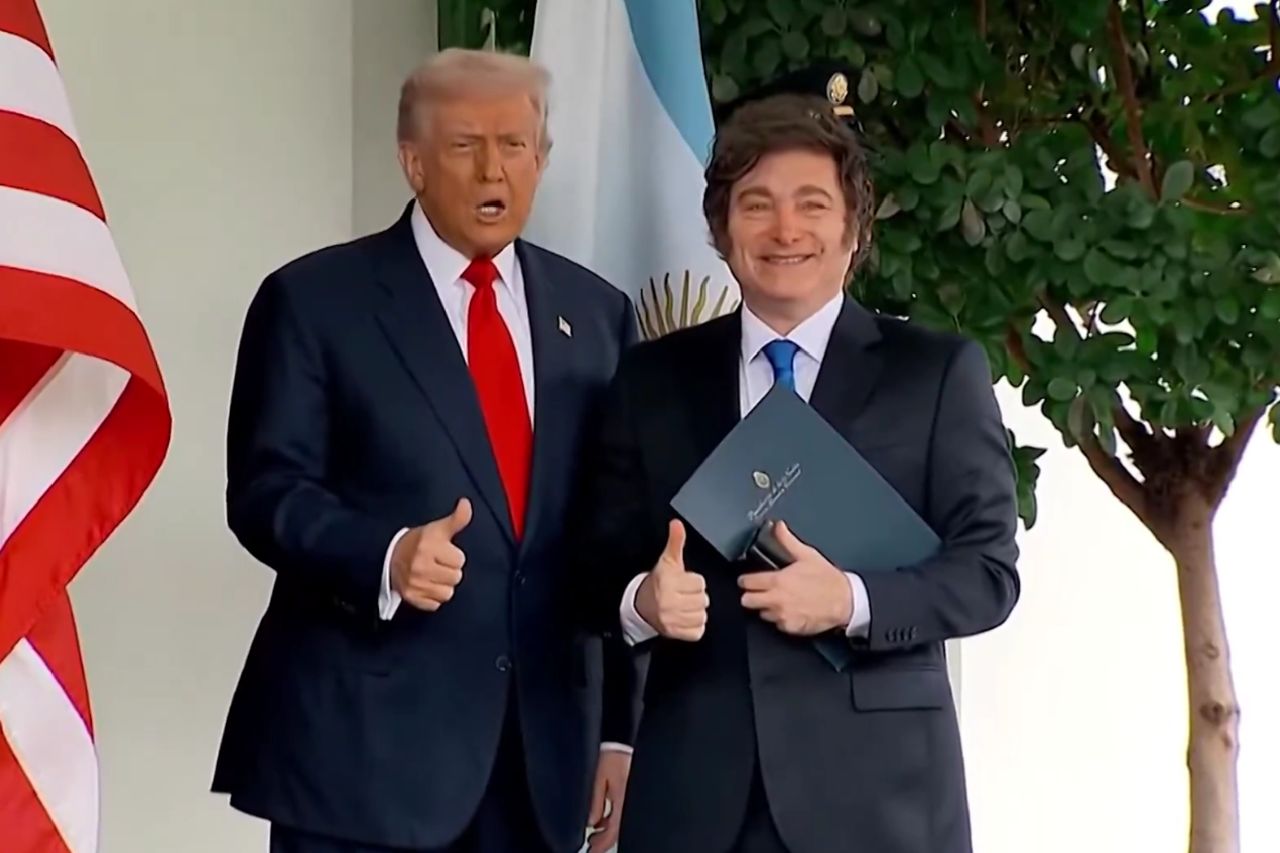
Argentina, US announce framework for trade agreement
 Buenos Aires HeraldNovember 13, 20252 Mins read
The United States and the Argentine government announced the framework of their trade agreement on Thursday afternoon. According to the joint statement, both countries will “open their markets to each other on key products.” The release, titled “Framework for a United States-Argentina agreement on reciprocal trade and investment,” listed the 11 key sectors that will be affected by the deal. Among them are tariffs, intellectual property, agricultural market access, labor, and economic security alignment, among others. Each category also specified the conditions that must be met, with the bulk of concessions falling on Buenos Aires’ shoulders. Here are some of the requirements. Tariffs Argentina is expected to “provide preferential market access for U.S. goods exports, including certain medicines, chemicals, machinery, information technologies products, medical devices, motor vehicles, and a wide range of agricultural products.” The country must also cease from requiring consular formalities for U.S. exports and to phase out the statistical tax for U.S. goods. For the United States, on the other hand, the only requirement is to “remove the reciprocal tariffs on certain unavailable natural resources and non-patented articles for use in pharmaceutical applications.” Elimination of non-tariff barriers The document says that both countries have committed to “improved, reciprocal, bilateral market access conditions for trade in beef.” The texts seemingly contradicts U.S. Agriculture Secretary Brooke Rollins, who recently said that any purchases would “not be much” due to a “foot and mouth disease issue” allegedly affecting Argentine beef. The text also added that Argentina has opened its market to U.S. live cattle, and that it would allow market access for U.S. poultry within one year. Furthermore, the will not restrict market access for products that use certain cheese and meat terms. The statement said that Argentina will “simplify product registration processes for U.S. beef, beef products, beef offal, and pork products, and will not apply facility registration for imports of U.S. dairy products.” Labor Buenos Aires also committed to prohibiting the importation of goods “produced by forced or compulsory labor,” which could be a way of banning certain Chinese imports. Other key elements Argentina will address “potential distortionary actions” of state-owned companies and “industrial subsidies that may have an impact on the bilateral trading relationship,” according to the statement. Regarding intellectual property, Argentina is also slated to improve enforcement against “counterfeit and pirated goods, including in the online environment.” According to the text, both countries will “cooperate to facilitate investment and trade in critical minerals” and will work toward stabilizing the global soybean trade. For months, U.S. President Donald Trump and his Argentine counterpart and ally, Javier Milei, have been speaking about the possibility of a trade agreement. Any such deal subscribed to by Argentina should go through Congress. The text acknowledges the need for approval, stating that both governments will “work expeditiously” in order to comply with “domestic formalities” required for the agreement to become operative.

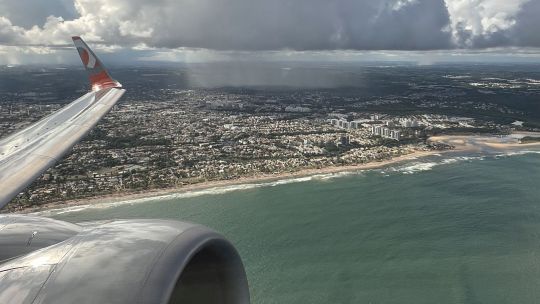
Conectividad regional, auge de escapadas y la pasión por el turismo deportivo del viajero argentino
El pulso del turismo emisivo en la Argentina atraviesa un momento de...
 WindwhistlerOctober 13, 20260
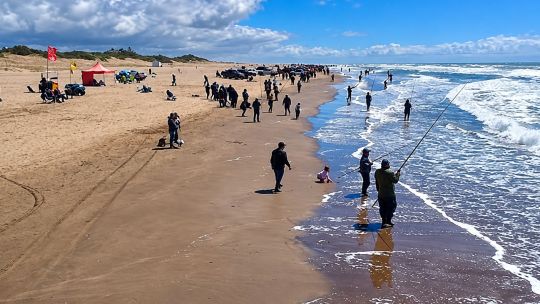
El último tiro cambió todo: pescó un pez elefante y ganó $ 20.000.000
Promediando el cierre de la semana pasada los pronósticos parecían tronchar la...
WindwhistlerOctober 13, 20260

Así rescataron a un cachorrito de lobo marino de un pelo en los médanos de Miramar
Un sorpresivo y emotivo procedimiento de preservación ambiental conmovió por completo a...
WindwhistlerOctober 13, 20260


Proyectan exportaciones récord del agro en 2027, pero advierten que aún faltan dólares para el año electoral
A un año de las elecciones presidenciales, la pregunta sobre si estarán...
WindwhistlerOctober 13, 20260
