
IMF urges Argentina to accelerate reserve accumulation during window of opportunity
 Buenos Aires HeraldNovember 13, 20252 Mins read
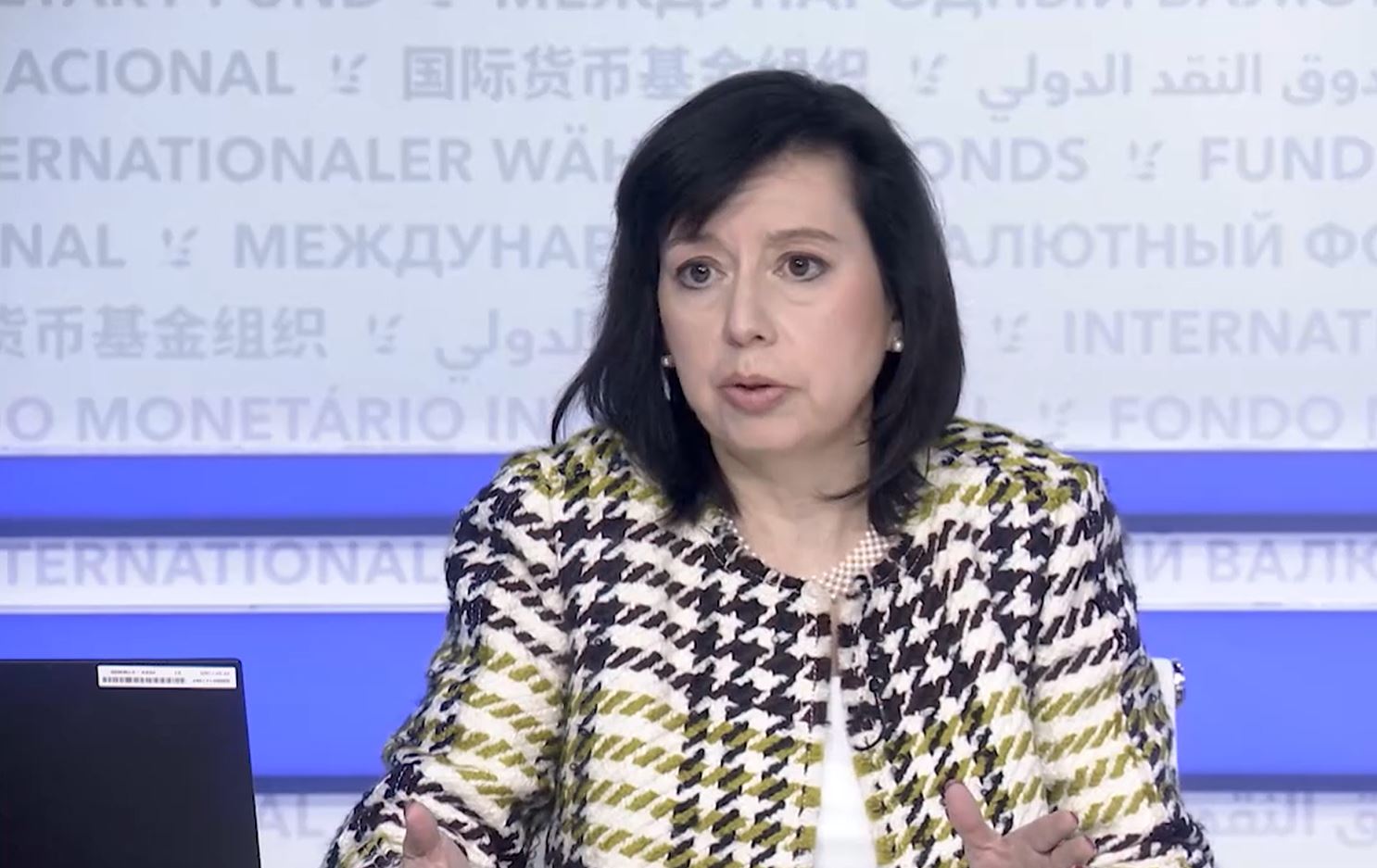
The International Monetary Fund (IMF) urged Argentina to accelerate its accumulation of international reserves, one of the main criticisms the lender and analysts alike have made of the country’s economic program. During a Thursday press briefing, IMF spokesperson Julie Kozack offered the reasoning for the petition, saying that a recent “improvement in market conditions” offered a “window of opportunity” for the authorities to consolidate stability and “accelerate reserve accumulation.” Asked about the banded exchange rate the country adopted instead of a free floating system for the peso-dollar exchange, she said that that’s a decision of the country’s authorities. “Our view at the IMF is that the chosen regime needs to be consistent with strengthening international reserves and external stability,” Kozac added. The IMF has told the Milei administration that reserve accumulation is a top priority. The government has deliberately not followed this directive as its main economic goal has been to achieve disinflation, which in turn has caused it to miss the target goals of the agreed-upon plan with the IMF. The government’s response The request seemed to land quickly with government officials. Speaking at an event on the same day, Economy Minister Luis Caputo pledged to do exactly what the IMF was asking. “We are going to accumulate reserves, and more than anyone might think,” he said at the 31st Industrial Conference organized by the Argentine Industrial Union (UIA) on Thursday. “We want to accumulate reserves to make the Central Bank stronger and stronger.” Caputo added that the government aims to buy reserves “to hold onto them.” He made a point that for the past 20 months, all reserves have been destined to pay bondholders. On Wednesday, Caputo had said that the government would stick to the banded exchange rate and not let the peso float. “There is talk that we have to float to buy reserves, but that is not the case,” he said, adding that the Milei administration bought US$29 billion, but that it did not retain them as “many of them were used to pay off debt.” Also on Thursday, the Financial Times reported that the United States drew nearly US$900 million from its IMF reserves as Argentina received an equivalent amount. Coincidentally, Argentina’s Special Drawing Rights (SDR, the IMF’s “currency”) increased just before Buenos Aires was due to pay US$840 million to the IMF. “Argentina’s foreign exchange reserves remain perilously low,” said the Financial Times article, “even after the IMF provided $15bn of a new $20bn bailout earlier this year, and are set to come under further strain in the months ahead from repayments on previous fund loans and private sector debt.”
Conectividad regional, auge de escapadas y la pasión por el turismo deportivo del viajero argentino
El pulso del turismo emisivo en la Argentina atraviesa un momento de...
 WindwhistlerOctober 13, 20260
El último tiro cambió todo: pescó un pez elefante y ganó $ 20.000.000
Promediando el cierre de la semana pasada los pronósticos parecían tronchar la...
WindwhistlerOctober 13, 20260

Así rescataron a un cachorrito de lobo marino de un pelo en los médanos de Miramar
Un sorpresivo y emotivo procedimiento de preservación ambiental conmovió por completo a...
WindwhistlerOctober 13, 20260


Proyectan exportaciones récord del agro en 2027, pero advierten que aún faltan dólares para el año electoral
A un año de las elecciones presidenciales, la pregunta sobre si estarán...
WindwhistlerOctober 13, 20260
