
Argentina 101: What is hantavirus and how do you prevent it
 Martina JaureguyMay 17, 20265 Mins read
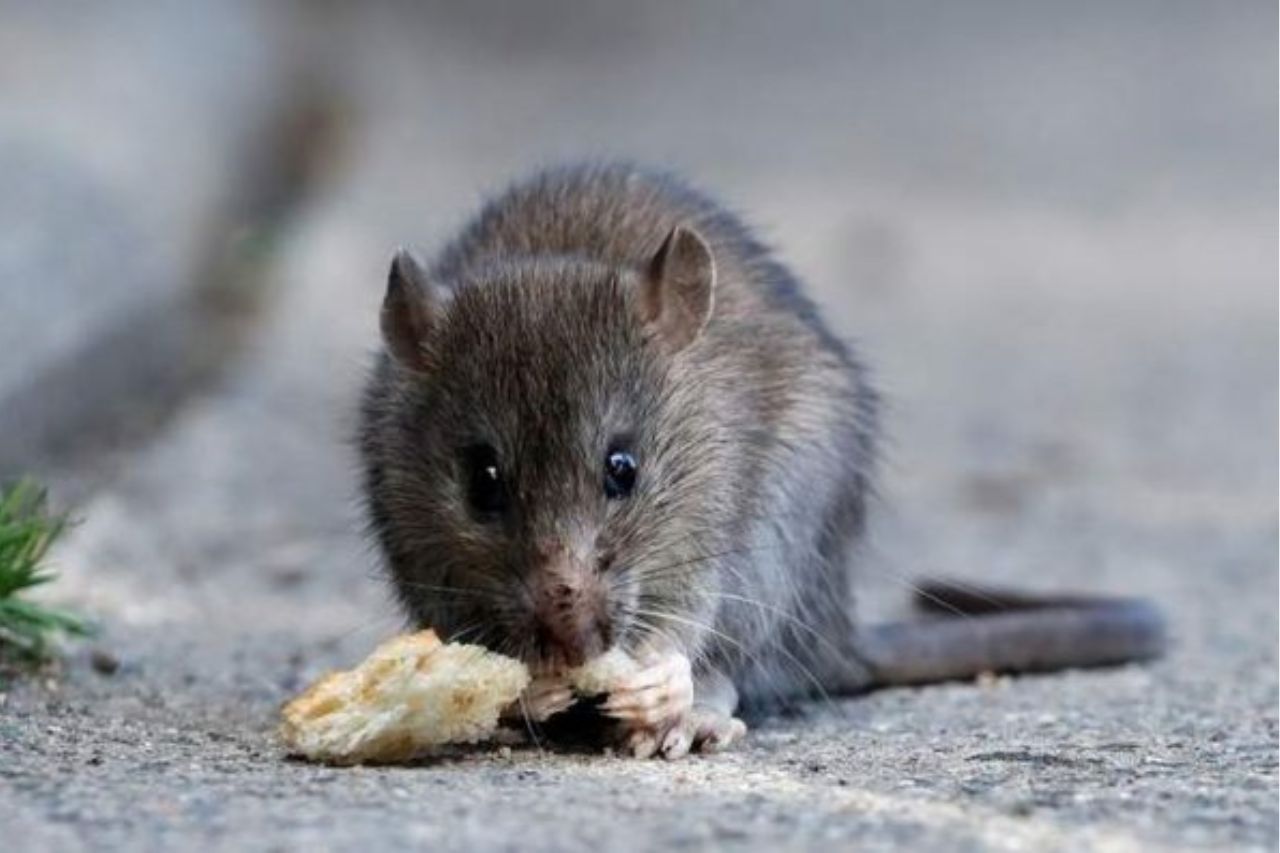
A hantavirus outbreak aboard the cruise ship MV Hondius, which departed from the city of Ushuaia in southern Argentina in April, is causing international concern. Three people have died, and up to 10 passengers and crew got infected — eight cases have been confirmed and two are “probable” — according to the latest update from the World Health Organization (WHO). While the WHO said they expect more people will test positive for the disease “given the dynamics of spread on a ship and the virus’ incubation period,” they clarified that, for now, “there is no sign” of “a larger outbreak.” But what is hantavirus? Where does it come from and how does it spread? If you never heard of this disease, here’s a guide of what you need to know. What is hantavirus and where is it most prevalent? Hantavirus is a rodent-borne disease endemic in the Americas, meaning that its presence is persistent and stable through time on the continent. It is mainly present in Argentina and Chile. In Argentina, variants of the virus are present in provinces such as Salta, Jujuy, Entre Ríos, Buenos Aires, Chubut, Neuquén, and Río Negro. Other strains are also found in Europe and Asia. Is hantavirus contagious? Yes. Hantavirus is normally spread from infected rats to humans, causing the disease. Different types of rodents infected with any variant of hantavirus can spread it to humans when the latter enter into contact with the animal’s droppings, urine or saliva. This can happen if a person accidentally touches or inhales particles from the infected animal waste. A common way to get the disease is spending time in a closed environment that has not been properly cleaned after the rat was present or not washing one’s hands after touching an object that may have been contaminated with the virus. Can humans spread hantavirus? There is only one type of hantavirus that can be transmitted between humans: the Andes variant, which is the one found to have caused the cruise ship hantavirus outbreak. However, it is far less contagious than other viral diseases such as COVID-19. A person can only spread hantavirus to someone else after being infected by a type of rat called ratón colilargo (long-tailed mouse) — the only one that carries the Andes strain — which is only present in the Argentine provinces of Chubut, Río Negro and Neuquén in northern Patagonia, as well as southern Chile. The ratón colilargo or long-tailed rat. Photo: World Health Organization Where did the cruise ship outbreak begin? This is still being investigated by the WHO and health authorities from Argentina and other countries. Even though the Andes hantavirus variant is endemic in some parts of Patagonia, it is not present in Tierra del Fuego, the province from which the MV Hondius parted on April 1. It is “likely” that the first two passengers of the cruise who caught the disease — a Dutch couple, who passed away — were infected during an earlier stage of their trip, when they visited northern Patagonia in Argentina and southern Chile, infectologist Elena Obieta told the Herald. People who got infected in the outbreak were found to have the Andes strain. The latest epidemiological bulletin from Argentina’s Health Ministry said that tests showed that the passengers were carrying a variant of Andes hantavirus registered in 2018 in Neuquén province, one of the places visited by the couple. However, “it is not yet possible to confirm the origin of the outbreak,” it said, because patient zero was not in the areas where the Andes strain is endemic during the days in which the infection is estimated to have happened. The couple had visited Uruguay and other provinces in northern and western Argentina in the weeks prior to their cruise trip. There, hantavirus is present, but not the Andes variant. How is hantavirus spread between humans? Someone who catches the Andes strain of the virus may pass it on to another person through respiratory droplets, either by talking, kissing or generally being very close to one another. Transmission can also happen by inhaling droplets that may have remained suspended in the air in a closed room. A cruise, Obieta said, “is a perfect incubator for any respiratory virus.” It can also be transmitted to babies via their mothers’ milk or, much less frequently, by rodent bites. The Andes variant is only found in rural Patagonic areas, where the long-tailed rat lives, and does not normally reach larger population regions. While it remains unclear for how long people can continue to spread the virus after getting infected, the virus is more contagious in the first 15 to 20 days, the infectologist added. What are the symptoms of hantavirus? Hantavirus infections in the Americas — including the Andes strain — cause a severe respiratory illness that affects the lungs and heart. Following an incubation period of usually 6 to 8 weeks, patients begin showing flu-like symptoms like fever, coughing, headaches and a sore throat. It can also cause abdominal pain and, sometimes, diarrhea. “It can rapidly evolve to pneumonia, breathing failure, and death,” Obieta detailed. The incubation period is “variable,” the expert explained, although it is “32 days on average,” meaning that the first symptoms generally appear a month after the initial contact with the virus. People who suspect they have hantavirus should be hospitalized “immediately” to attend to potential respiratory failure, the infectologist added. What is hantavirus’ mortality rate? While hantavirus infections are “relatively uncommon globally,” in the Americas the disease has a 50% mortality rate, according to the WHO’s hantavirus site. In Argentina, the figure is generally between 30 and 40%. Between July 2025 and April 2026, 102 hantavirus cases were reported across Argentina, “which is above the threshold of an outbreak,” the health ministry’s bulletin said. Thirty-three of them died, meaning the fatality rate was 32%, three times higher than in the previous season. Is there a vaccine or treatment for hantavirus? There is no specific treatment to cure hantavirus. “Early supportive medical care is key to improving survival,” according to the WHO. There is no vaccine against hantavirus, meaning that the only way to avoid getting it is taking preventive measures in affected areas. How can you prevent hantavirus? Can alcohol kill it? Proper hand-washing is key if you’re visiting places where the disease is present, especially while spending time in fields, forests, or camping sites and after handling firewood. Alcohol, diluted at 70%, can kill hantavirus, but the most effective method is using bleach. “If you are visiting Patagonia, it’s best if you clean your things with bleach,” Obieta said. This includes cleaning groceries or camping tools, for example. The expert also recommends not leaving food outside and storing firewood in a way rodents cannot access it. Could hantavirus cause a pandemic? The international health community, including the WHO, agrees there are no chances of hantavirus spreading in a way that could cause a pandemic. “This is not another COVID-19. The current public health risk from hantavirus remains low,” WHO director-general Tedros Adhanom Ghebreyesus said. People who got infected in the MV Hondius, as well as all passengers and crew who were in it during the outbreak, were quarantined and are being strictly monitored, so the chances of them spreading the virus are minimal. “What worries the WHO and the world is those who stepped off the cruise in Santa Elena Island without knowing there had been hantavirus cases in it,” Obieta warned. Those passengers are being tracked down to reduce risks. Nevertheless, it is worth insisting that hantavirus’ transmission rate is very low.


CONMOCIÓN: murió Rosa del Valle Rasgido
 notienredSeptember 13, 20260

Claudio Barrelier reveló por qué mató a Agostina Vega: Obsesión por la
notienredSeptember 13, 20260

Asesinaron a Alfredo Wiebel y se dieron a la fuga
notienredSeptember 13, 20260



Clima en Ciudad de Buenos Aires: sábado 12 de septiembre
Sábado en la Ciudad de Buenos Aires con una temperatura máxima de...
 WindwhistlerSeptember 13, 20260
