
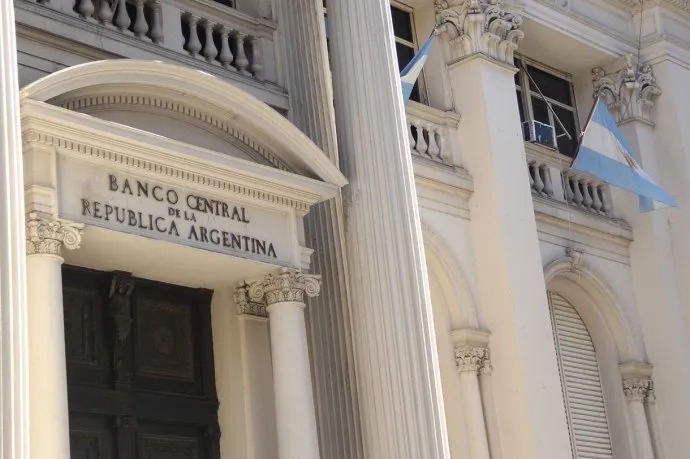
Argentinas Central Bank hits 2026 dollar-buying target in just six months
 Juan Marcos PollioJune 10, 20262 Mins read
The Central Bank of Argentina (BCRA, for its Spanish acronym) met its 2026 dollar-buying target with the International Monetary Fund (IMF) in just six months, thanks to a strong showing from the agriculture and energy sectors. As of the end of last week, the BCRA had bought US$10.1 billion in 2026, surpassing the US$10 billion full-year target a milestone that puts Milei’s government in a strong position to meet its IMF reserves accumulation goal for the first time since taking office. Last week, Economy Minister Luis Caputo spoke about the achievement. “In a very optimistic scenario, we thought that, with things going very well, the Central Bank could buy US$7 billion over the year. But if we can keep the current pace, we could end up buying US$24 billion.” He added that by 2031, “the energy and mining trade balance will reach US$60 billion that’s US$40 billionmore than today.” The push from oil and mining “The market has been waiting for some time for the moment when energy would become as important to the balance of payments as farming, and that future has already arrived,” the research firm 1816 said. The same report explained that the dollars brought in by oil, gas and mining in the first four months of the year matched those from grains and oilseeds, at US$8.1 billion each, according to BCRA data. “These numbers make it more than clear that energy and mining are the future but they’re also the present and the recent past,” 1816 said. The latest data appears to back that up. Mineral and hydrocarbon output posted its second consecutive monthly increase in April, hitting a new record, according to INDEC’s Mining Industrial Production Index. The BCRA’s targets for the rest of the year The market is now watching the government’s broader goals for dollar accumulation. Ignacio Morales, chief investment officer at Wise Capital, said in a report that “the market is now weighing the room to push toward more ambitious targets.” Even though the BCRA has already bought the US$10 billion, it had set as its full-year target, it still has to meet local and foreign debt payments that drain its reserves. For that reason, the BCRA buying dollars doesn’t automatically translate into reserves. That means the BCRA still has to continue buying foreign currency to meet the IMF-set accumulation target. By the end of the year, it needs to add US$8 billion in net reserves. According to market estimates, the BCRA’s net reserves accumulated so far range between US$5.6 billion and US$7.9 billion. “Bear in mind that Argentina missed its 2025 accumulation target by US$10.5 billion, which is why the fund sharply lowered the target levels for this year,” 1816 said. Echoing that view, the research firm LCG said that “after the easing that came with the second review by the IMF, the effort needed to meet the December target looks smaller in this context.” In line with that, 1816 said the target of adding US$8 billion in reserves this year “wasn’t easy at all and, at this point, looks very achievable.” Both consultancies estimated that the June reserves accumulation target has already been overshot by US$2 billion. Eric Ritondale, chief economist at the brokerage PUENTE, told the Herald that the full-year net reserves accumulation target “is now nearly 70% met, with more than six months to go before year-end.” For that reason, he expects an overshoot of between US$2 billion and US$3 billion by year-end relative to the IMF program target. It would be the first time Milei’s administration delivers on it.


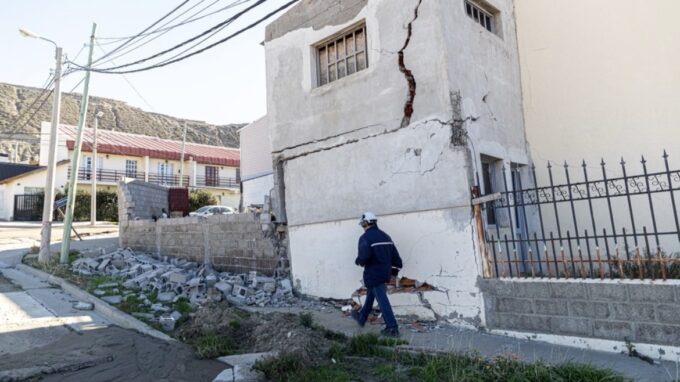
CONMOCIÓN: murió Rosa del Valle Rasgido
 notienredSeptember 13, 20260

Claudio Barrelier reveló por qué mató a Agostina Vega: Obsesión por la
notienredSeptember 13, 20260

Asesinaron a Alfredo Wiebel y se dieron a la fuga
notienredSeptember 13, 20260


Clima en Ciudad de Buenos Aires: sábado 12 de septiembre
Sábado en la Ciudad de Buenos Aires con una temperatura máxima de...
 WindwhistlerSeptember 13, 20260
