
Argentine industry requests more integration between RIGI projects and local suppliers
 Juan Marcos PollioJune 25, 20262 Mins read
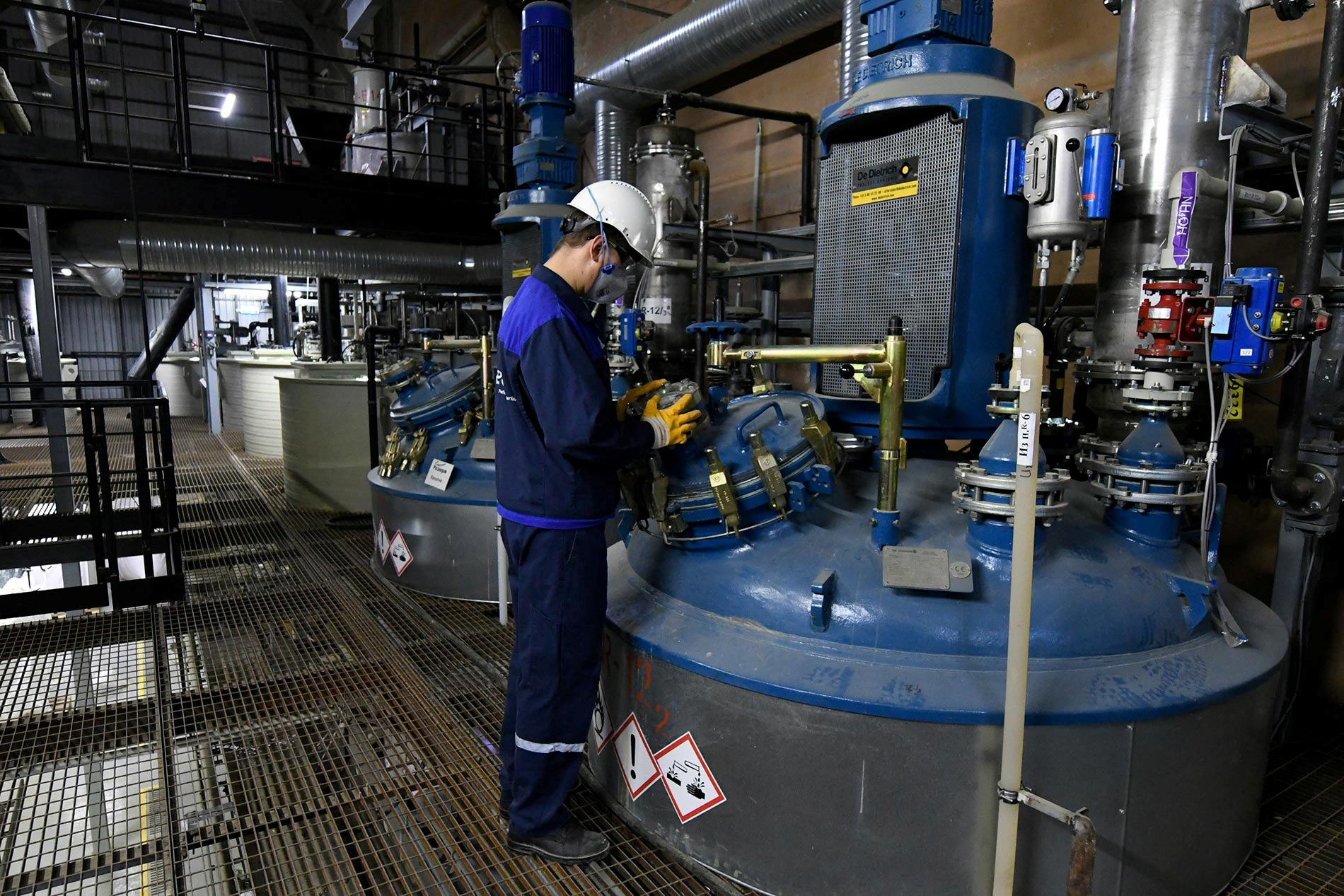
The Argentine Industrial Union (in Spanish, UIA) presented a bill to Congress aimed at cementing partnerships between local companies and the foreign capital investing in the country through the Large Investment Incentives Regime (RIGI), President Javier Milei’s flagship investment scheme. While the RIGI includes a clause requiring that 20% of the purchases and contracts covered by the initial investment go to local companies, the rules don’t distinguish between goods and services. That gap waters down the boost RIGI projects could give to local manufacturing, since the 20% threshold can be met through contracts that inevitably have to be carried out in the country regardless, like construction work or services. Specifically, the UIAs proposal is to clarify that the RIGI’s 20% minimum destined to local companies should apply exclusively to goods with local added value. “If Argentina needs special regimes to attract investment, the underlying challenge is still to improve the conditions under which industry operates as a whole,” UIA president Martn Rappallini said at a meeting on Tuesday. The business chamber also suggested adopting progressive integration schemes that would expand the role of local suppliers as projects move through their investment and operating stages. The group further suggested putting in place mechanisms to verify whether local suppliers exist that can meet the demand of companies investing through the RIGI. The proposal comes amid growing concern in the sector that a key opportunity to revitalize the industry battered by falling consumption and competition from imported goods could be lost. Small businesses are still waiting The industry’s frustration is compounded by the delay in the fine print of the Medium Investment Incentives Regime (RIMI) the equivalent of the RIGI, but for small and medium-sized local companies investing in projects worth between US$150,000 and US$9 million. The government issued RIMI’s regulations on April 13. More than two months later, however, the system still isn’t up and running at the Customs Collection and Control Agency (ARCA). An ARCA spokesperson told the Herald that they are still working on the details and that there is no date for when the system will be operational. The industry is showing no signs of recovery. According to the right-wing think tank Fundacin FIEL, industrial activity fell 2% year-on-year in May and is down 0.6% over the first five months of the year. It also posted a 0.6% monthly decline. The UIA released its own estimate for May a few days ago, showing a 5% year-on-year drop and a 0.8% month-on-month fall. The “Super RIGI” debate Industry’s request comes as the lower house of Congress debates one of Milei’s most ambitious bills: the Incentive Regime for Large Investments in New Industries, popularly known as the “Super RIGI.” The bill proposes expanding the original RIGI to include an unprecedented structure of tax, customs, and foreign-exchange incentives for investments above US$1 billion in industries that don’t yet exist in Argentina, like artificial intelligence data centers. The UIA meeting also addressed the “Super RIGI” debate, noting that it represents a chance to strengthen local suppliers, create jobs, drive technology transfer, and build up productive capacity across the country.

CONMOCIÓN: murió Rosa del Valle Rasgido
 notienredSeptember 13, 20260

Claudio Barrelier reveló por qué mató a Agostina Vega: Obsesión por la
notienredSeptember 13, 20260

Asesinaron a Alfredo Wiebel y se dieron a la fuga
notienredSeptember 13, 20260



Clima en Ciudad de Buenos Aires: sábado 12 de septiembre
Sábado en la Ciudad de Buenos Aires con una temperatura máxima de...
 WindwhistlerSeptember 13, 20260
