

Beef consumption in Argentina hits lowest mark in 20 years
 Buenos Aires HeraldApril 16, 20261 Mins read
Argentines are eating less beef now than at any point in the last 20 years, says a report published on Wednesday by the Chamber of Commerce and Industry for Meat and Meat Products of Argentina (CICCRA, for its Spanish acronym). According to the report, between January and March, Argentines consumed a total of 512,800 tons of beef, a 10% decline compared to the same period last year. The numbers add up when looking at the per capita consumption. The average Argentine ate 47.3 kilograms a year over the past twelve months. This is the lowest figure in over 20 years and a 3.7% decrease compared to March 2025. Production is also in decline, with 700,185 metric tons of bone-in beef totaled in the first quarter, the year-over-year dropping by 5.1%. It contrasts with exports figures, which at 187,400 metric tons of bone-in beef, saw a 11,4% rise and recorded US$3700 million over 2025. Fewer livestock available Beef prices surged in March. According to the latest report from the Argentine Beef Promotion Institute (IPCVA), prices rose 10.6%, double the increase in January and February, they had risen by around 5%. It took the cumulative increase for the first quarter stands to 21.7%, well above the General Price Index (IPC). Year-over-year, beef prices have already risen by 68.6%. CICCRA president Miguel Schiariti said recent drought and floods as the reason behind fewer livestock available and ultimately less meat for domestic consumption and price increases Consumption is falling because the supply of meat has plummeted, he told news outlet La Nacion. Were seeing the best prices in over 10 years. Schiariti also pointed at the increase in consumption of other meats such as pork or chicken as symptoms of this. There are times when the buyer ends up making a decision based on their budget rather than their own preferences, he summarized.



Conectividad regional, auge de escapadas y la pasión por el turismo deportivo del viajero argentino
El pulso del turismo emisivo en la Argentina atraviesa un momento de...
 WindwhistlerOctober 13, 20260
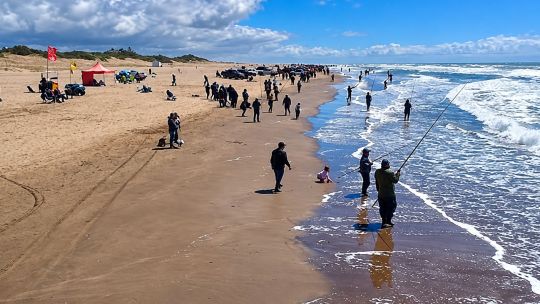
El último tiro cambió todo: pescó un pez elefante y ganó $ 20.000.000
Promediando el cierre de la semana pasada los pronósticos parecían tronchar la...
WindwhistlerOctober 13, 20260

Así rescataron a un cachorrito de lobo marino de un pelo en los médanos de Miramar
Un sorpresivo y emotivo procedimiento de preservación ambiental conmovió por completo a...
WindwhistlerOctober 13, 20260



Proyectan exportaciones récord del agro en 2027, pero advierten que aún faltan dólares para el año electoral
A un año de las elecciones presidenciales, la pregunta sobre si estarán...
WindwhistlerOctober 13, 20260
