
Exchange rate heats up to close August. Is Milei changing strategies?
 Juan Marcos PollioAugust 28, 20263 Mins read
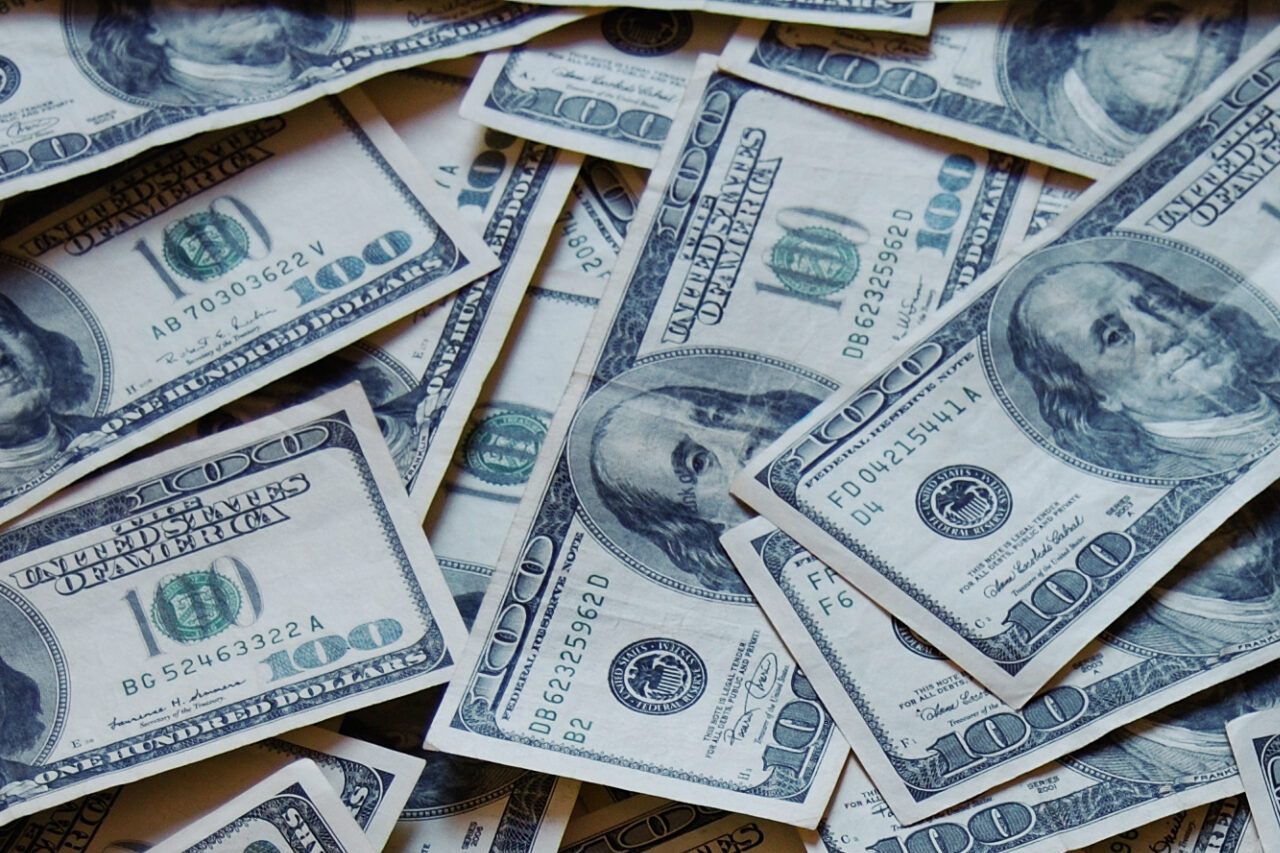
The U.S. dollar made headlines in Argentina again on Friday after ending the week at an all-time high in nominal terms. The wholesale exchange rate, available only to banks, large companies, and the government, closed at AR$1,512. Throughout the week, it had reached AR$1,514, its highest level in nominal terms. This is no small matter. Since late July and throughout much of August, the government has intervened every time the currency approached the AR$1,500 mark. This is seen as a “psychological barrier” of sorts for the market given that the upper limit of the dollar’s floating exchange rate system is much higher (it currently stands at AR$1,844). These results, however, seem to indicate that this strategy might be shifting. This week marked the first time in nearly a month that the wholesale dollar remained above AR$1,500 during all five trading days on Argentina’s foreign exchange market. So far in August, the wholesale dollar has risen 1.7%. Looking at just the last week, it is clear that the increases were concentrated in that period (+1.3%). What to expect going forward Economist Federico Glustein told the Herald that he expects “tension in the exchange rate” during September will push the wholesale dollar to a range between AR$1,550 and AR$1,470. One of the reasons the economist cited is the low liquidity in pesos within the financial system. This means there are few investment instruments denominated in pesos, causing investors to turn to the dollar. The other reason is that there is a lower supply of dollars at this time of year due to seasonal factors. The most important is the lack of agricultural exports. These tend to be concentrated in the first half of the year, generating an influx of dollars that “cools” the dollar. “When there is a lower supply, the price tends to rise due to demand,” he summarized. Joaquín Alvarado, an economist at the consulting firm ACM, pointed out that the amount of foreign currency generated by agricultural exports is a key factor to consider. “Although the cumulative revenue from the agricultural sector between January and July [August data will be released next week] has remained at an average similar to historical levels, it tends to decline in September,” he noted. In any case, he noted that it appears the authorities’ goal is for the exchange rate not to fluctuate “either too much or too quickly.” This would signal “some stability” in the dollar for next month. In line with that theory, he also added that the agreement with the International Monetary Fund (IMF) contains an “implicit” intention that the peso “not appreciate in real terms.” A recent report by brokerage firm Delphos Investment, on the other hand, argued that the end of August means that the most “seasonally challenging months” for the dollar are over. Unlike Glustein and Alvarado, the brokerage firm stated that it expects increased sales from the agricultural sector in the coming months, “given the volume that still remains to be sold.” “On Tuesday, 4,258 trucks entered the terminals in greater Rosario, Argentina’s agricultural export hub — a 23% increase over the same date in 2025 and the highest figure in the last ten years,” they noted. Added to this is reduced pressure from profit remittances abroad. After peaking at US$1.015 billion in June, remittances fell to about US$500 million in July. “We expect this source of demand for dollars to continue to lose momentum,” they stated. They also added that the Argentine Treasury still has tools at its disposal to keep the dollar’s price under control. One of the tools most frequently used by the economy ministry is intervention in the dollar futures market. This serves a dual purpose. On the one hand, it helps anchor investors’ expectations in the medium term. On the other, it directs liquidity toward that market rather than toward the wholesale dollar market, which has a much greater influence on the rest of the economy. “It retains room to intervene and contain potential pressures,” Delphos noted, adding that its short position in that market remains at low levels compared to what has been observed so far this year. In other words, it still has the firepower to rein in the dollar


Conectividad regional, auge de escapadas y la pasión por el turismo deportivo del viajero argentino
El pulso del turismo emisivo en la Argentina atraviesa un momento de...
 WindwhistlerOctober 13, 20260

El último tiro cambió todo: pescó un pez elefante y ganó $ 20.000.000
Promediando el cierre de la semana pasada los pronósticos parecían tronchar la...
WindwhistlerOctober 13, 20260

Así rescataron a un cachorrito de lobo marino de un pelo en los médanos de Miramar
Un sorpresivo y emotivo procedimiento de preservación ambiental conmovió por completo a...
WindwhistlerOctober 13, 20260


Proyectan exportaciones récord del agro en 2027, pero advierten que aún faltan dólares para el año electoral
A un año de las elecciones presidenciales, la pregunta sobre si estarán...
WindwhistlerOctober 13, 20260
