
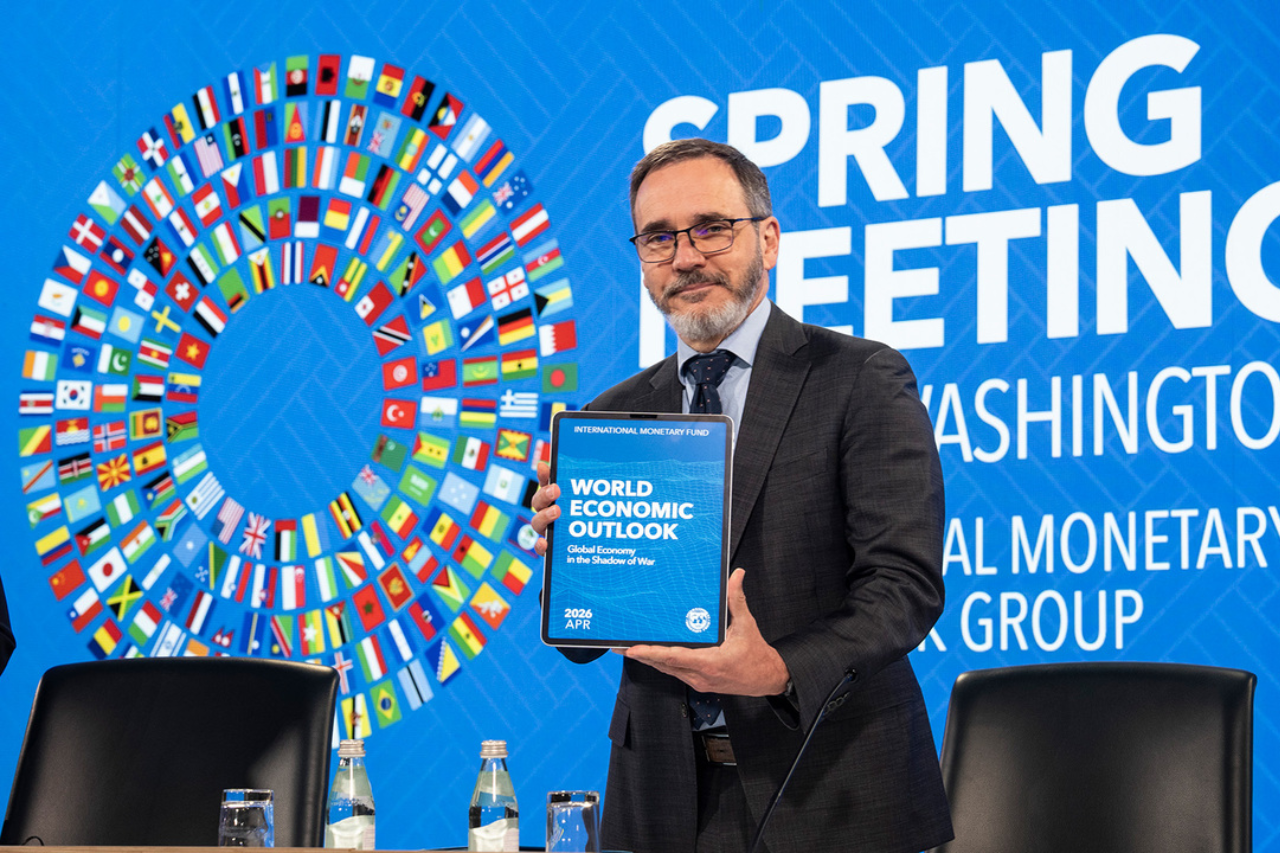
IMF trims Argentina growth outlook, flags global risks from war
 Buenos Aires HeraldApril 15, 20261 Mins read
The International Monetary Fund (IMF) has lowered its growth forecast for Argentina, warning that escalating global tensions — particularly war in the Middle East — are weighing on both the local and global economic outlook. In its latest World Economic Outlook, the IMF now expects Argentina’s economy to expand by 3.5% in 2026, a downgrade of 0.5 percentage points from its previous estimate. Growth is projected to pick up slightly to 4% in 2027. “The global outlook has darkened abruptly following the outbreak of war in the Middle East. The closure of the Strait of Hormuz and severe damage to critical production facilities in a region central to the world’s hydrocarbon supply could trigger an energy crisis of unprecedented scale,” warned IMF chief economist Pierre-Olivier Gourinchas on Tuesday in Washington, where the organisation presented its report. The revision comes alongside a sharp increase in inflation expectations. The organization now forecasts Argentina’s consumer prices will rise 30.5% this year — 10 points higher than previously estimated — reflecting persistent price pressures and global energy instability. The IMF linked the worsening outlook in part to the disruption in energy markets caused by the war, which pushed up oil prices. Globally, it has also downgraded its growth projections, warning that the world economy is drifting toward a more adverse scenario marked by slower expansion and higher inflation. Under its baseline scenario, global growth is expected to hover around 3.1% in 2026. But if the conflict intensifies or drags on, it could fall as low as 2% while inflation accelerates, raising the risk of recession. Emerging economies like Argentina are particularly vulnerable to these shocks, it warned, as higher energy costs, currency volatility and tighter financial conditions add pressure to already fragile macroeconomic environments. The IMF cautioned that policymakers should avoid broad subsidies and instead target support to the most vulnerable, as governments navigate a more uncertain and inflation-prone global landscape. With information from Ámbito

Conectividad regional, auge de escapadas y la pasión por el turismo deportivo del viajero argentino
El pulso del turismo emisivo en la Argentina atraviesa un momento de...
 WindwhistlerOctober 13, 20260
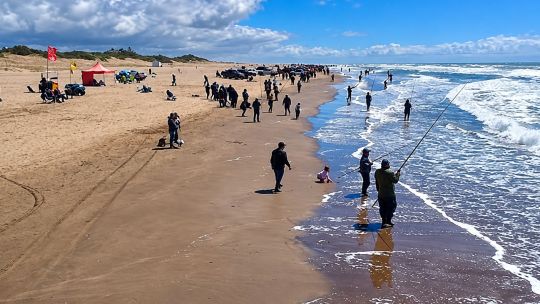
El último tiro cambió todo: pescó un pez elefante y ganó $ 20.000.000
Promediando el cierre de la semana pasada los pronósticos parecían tronchar la...
WindwhistlerOctober 13, 20260

Así rescataron a un cachorrito de lobo marino de un pelo en los médanos de Miramar
Un sorpresivo y emotivo procedimiento de preservación ambiental conmovió por completo a...
WindwhistlerOctober 13, 20260



Proyectan exportaciones récord del agro en 2027, pero advierten que aún faltan dólares para el año electoral
A un año de las elecciones presidenciales, la pregunta sobre si estarán...
WindwhistlerOctober 13, 20260
