
Inside the life of a Nazi commander in Northern Argentina
 Juan DecimaMay 30, 20266 Mins read
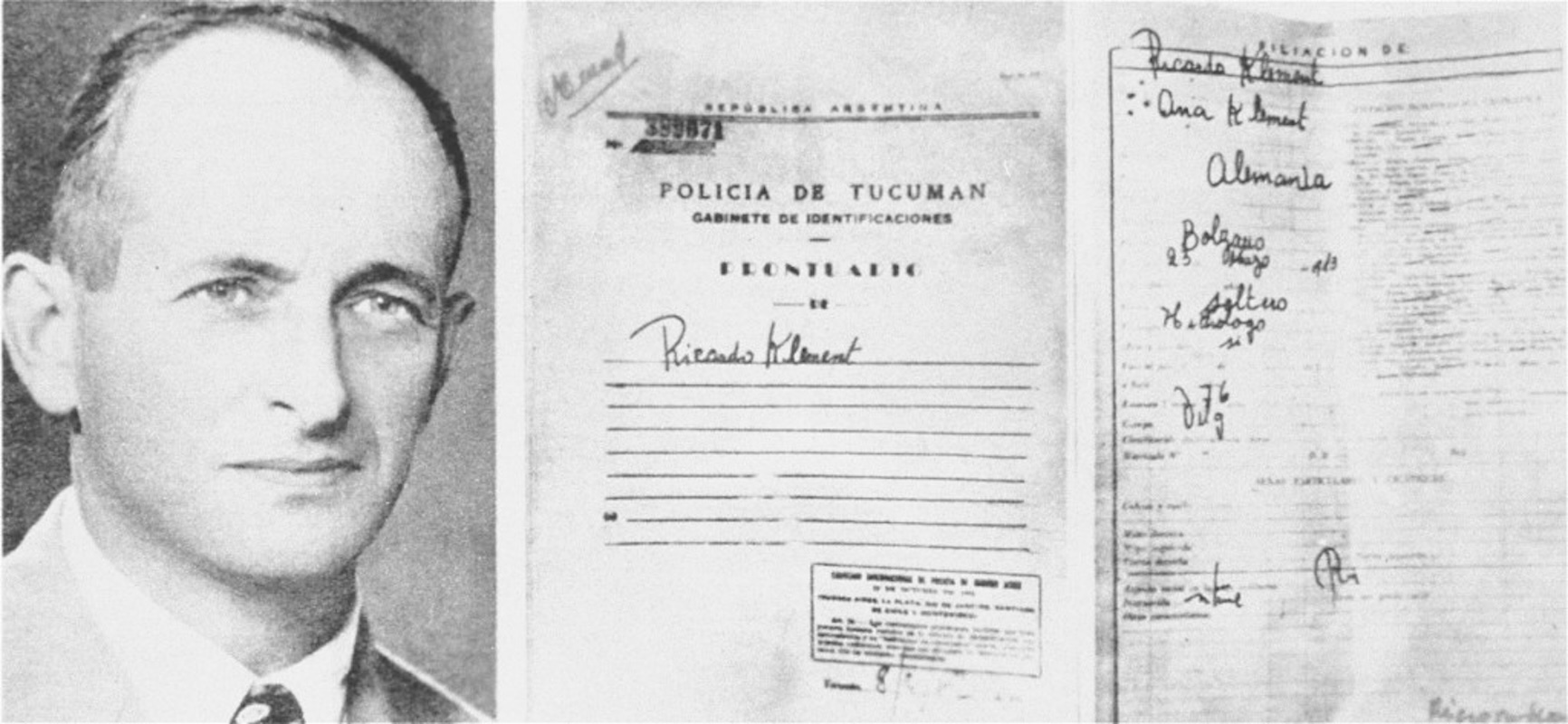
The capture of Nazi commander and war criminal Adolf Eichmann in Argentina in 1960 and his ensuing trial and execution in Israel on June 1, 1962, caused an uproar at the time, opening the doors to renewed awareness of the Holocaust and interest in how he had been able to escape detection for so long. Eichmann, a major responsible for the Holocaust as one of the architects of the Nazis’ “final solution,” spent the better part of the 10 years he lived in Argentina (1950-1960) in different locations within Buenos Aires province while working for a Mercedes-Benz assembly plant. Less is known, however, of his first years in the country, when he lived in remote areas in Tucumán and Catamarca in Northern Argentina. How did he get there? What did he do? Did anyone recognize him or know about this past? You may also be interested in: BA Holocaust Museum to analyze boxes with Nazi-era documents found in May Escape and relocation Adolf Eichmann managed to barely escape justice after the end of World War II. He was initially detained by U.S. forces and kept in a prisoner camp, where he gave a false name in order to avoid being recognized. He was, however, able to flee before his cover was blown and spent the next few years living in northern Germany avoiding detection. In 1948, Eichmann obtained a fake identification card under the name Richard Klement through the escape route systems known as “ratlines.” The ratlines were an operation run by Nazi sympathizers still in positions of power in Europe, from political leaders to members of the Catholic Church, to help war criminals flee, mainly to South America. Armed with a new ID, Eichmann secured a humanitarian passport from the International Committee of the Red Cross and set off to Argentina. According to official documents declassified in 1992 on Nazis in Argentina that the Milei administration made available online last year, Eichmann, now Klement, departed alone on a boat from Genoa, Italy, in mid-June 1950 and arrived in Buenos Aires on July 14. The humanitarian passport from the International Committee of the Red Cross issued to Eichmann (courtesy Buenos Aires Holocaust Museum) Shortly after his arrival, he was hired by Alberto Carlos “Horst” Fuldner to work as a foreman for his enterprise, the Argentine Industrial Company of Projects and Works (in Spanish, CAPRI). Fuldner would become a key person in the war criminal’s life. He was born to German immigrants in 1910 in Argentina, but his family relocated to Europe in 1922. Known as “Horst,” Fuldner was raised in Germany, where he joined the Nazi Party and became part of the paramilitary organization SS. Fuldner returned to Argentina after the end of the war, where he became a businessman and created CAPRI. He was also a government official, serving at one point in the National Migrations Directorate during the first presidency of Juan Domingo Perón (1946-1952). According to the documents, he returned to Europe during those years as an alleged intelligence agent for the Peronist government and was an active member of the ratlines. The German neighbor As a hired foreman for CAPRI, Eichmann was tasked with managing working crews that carried out the company’s infrastructure projects in rural Tucumán. Because of this, he moved not to the provincial capital of San Miguel but to a small town approximately 120 kilometers south known as La Cocha. He also spent time in Las Estancias, a mountain retreat located in Catamarca that can also be accessed via Tucumán. Although the documents do not reveal what specific projects he worked on, testimonies from colleagues and employees say that their job was to measure river potency and flow rate, possibly for hydraulic engineering projects. Another testimony states that he worked specifically on a project for a dam in Catamarca known as Dique Potrero El Clavillo. It is unclear when Eichmann effectively moved to Tucumán. The first official confirmation of his sighting in the province is a 1952 Tucumán police document issuing a local ID to Ricardo Klement, a “single” man from “Germany” who worked as a “hydrologist.” There is very little documented information on what he did during those years, making any detailed account of what his life was like very difficult. There are, however, numerous locals who remember interacting with him and whose testimonies can be found in newspaper articles, films, and personal memories. The 2016 documentary El vecino alemán (The German neighbor), which follows a fictional German translator trying to retrace Eichmann’s steps across Argentina, interviews several men from La Cocha who met the Nazi war criminal. A picture of Eichmann wearing a poncho supposedly taken in Catamarca. Some of them knew him through work, while another crossed paths with him at the local bakery. They describe a man who was “normal and attentive” and very much into horseback riding and hunting. They all apparently knew he was German due to his difficulty speaking Spanish, but not much more. The film shows images of Eichmann’s austere house, the quiet town streets, and the lush vegetation, all evidence of the remote environment that was surely a factor in his decision to move there. A 2020 article in La Gaceta newspaper also collected several testimonies from people who had met Eichmann in La Cocha. The descriptions coincide with others (mentions of a “good man who was shy and reserved” and who loved to hunt), while also adding some new details. Even though he did not have a formal degree, locals called him “engineer,” as it was apparently a common way to address bosses in these settings regardless of their actual position. The declassified documents show that at some point Eichmann seemed to relax and think he had managed to escape for good. He sent a coded message to his wife in Germany, telling them it was safe for her and the children to join them in Argentina. In August 1952, Vera and their three children arrived by train to Tucumán. The truth of who Eichmann was was kept from the children, as they were told that their father had died and the man they were meeting was their uncle. The couple would later have a fourth child born in Argentina. The family would only stay for a short period in Tucumán, as CAPRI went under shortly after. This left Eichmann without a job, forcing them to move to Buenos Aires in 1953. Although there are no history books devoted exclusively to Eichmann in Tucumán, fiction writers have tried their hand at reimagining what his life could have been like. In 2021, Tucumán-born actor, director, and playwright Marcos Rosenzvaig published Querido Eichmann (Dear Eichmann), a novel blending historical facts and fiction centered on Eichmann’s time in Tucumán and told by the Nazi in the first person. “Fiction allowed me to fill in the gaps where historical facts were missing,” Rosenzvaig told the Herald, adding that the Eichmann case was not something people in the province grew up hearing about or knowing. Ironically, he began to hear more and more real-life stories of Eichmann once his book was published. An actress who recognized the man standing trial in Israel — accused of orchestrating the death of millions in concentration camps — as the German who her grandparents had invited to dinner at the family’s cottage in Las Estancias. She remembered him as someone who talked enthusiastically about UFOs and avoided going into what he had done during the war. There was also a man from Mendoza who saw his father meeting a mysterious German his mother would later confirm was Eichmann. A former national deputy who, as a young man, recognized the Nazi commander as the man who one day showed up on horseback at the family home in Las Estancias. Eichmann flew under the radar even when he had to venture away from La Cocha. A 1992 article in Clarín newspaper on Carlos Fuldner includes a short interview with an engineering professor who said he met Eichmann in the hallways of the National University of Tucumán, located in the provincial capital. He introduced himself as Ricardo Klement and said he was there to consult with a hydrology expert who also worked for CAPRI. The professor described him as a man who spoke Spanish with a heavy accent and seemed to be in awe of how beautiful Tucumán was. “He was a quiet, taciturn man. I could never have imagined he was a war criminal.” Cover photo: Adolf Eichmann’s file requesting an ID card under the name Ricardo Klement to the Tucumán police (credit: United States Holocaust Museum)
Conectividad regional, auge de escapadas y la pasión por el turismo deportivo del viajero argentino
El pulso del turismo emisivo en la Argentina atraviesa un momento de...
 WindwhistlerOctober 13, 20260
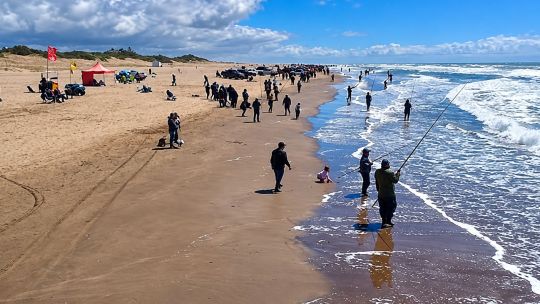
El último tiro cambió todo: pescó un pez elefante y ganó $ 20.000.000
Promediando el cierre de la semana pasada los pronósticos parecían tronchar la...
WindwhistlerOctober 13, 20260
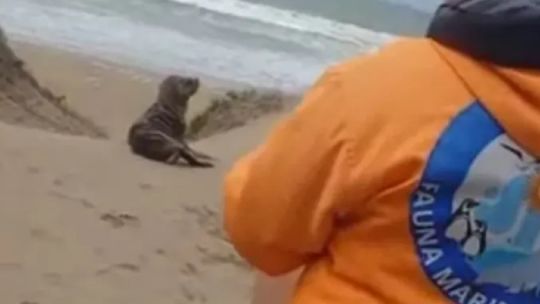
Así rescataron a un cachorrito de lobo marino de un pelo en los médanos de Miramar
Un sorpresivo y emotivo procedimiento de preservación ambiental conmovió por completo a...
WindwhistlerOctober 13, 20260



Proyectan exportaciones récord del agro en 2027, pero advierten que aún faltan dólares para el año electoral
A un año de las elecciones presidenciales, la pregunta sobre si estarán...
WindwhistlerOctober 13, 20260
