
Inside World Cup sticker fever, an Argentine passion going beyond football
 Manuela TobiaJune 7, 20264 Mins read
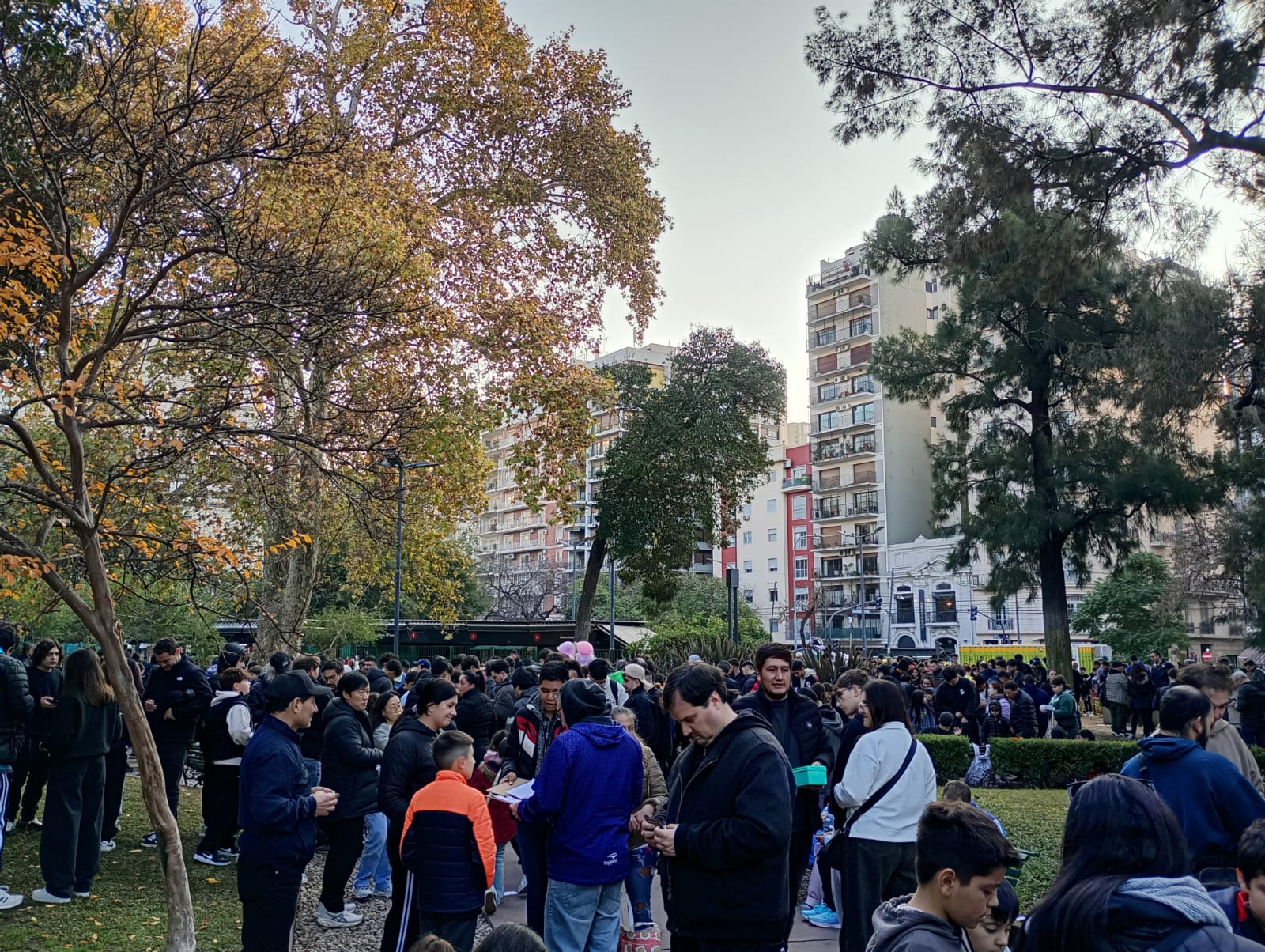
World Cup fever can already be felt throughout Buenos Aires. TV ads, new clothing lines, fast-food meal deals, and even special mate kits have flooded the city in a flurry that (everyone hopes) will revolve around the Albiceleste until the final match on July 19. For Argentines, the global football event has a singular side issue that can sometimes rival the passion for the game itself: filling the Panini sticker album. The quest to paste players from all the competing countries into a booklet, which the Italian company has been putting out since the 1970 World Cup, has evolved over the past few decades. From a hobby for children and teenagers, the activity has exploded to such an extent that entire families have turned the activity into an obsession. The World Cup booklet on sale in a Parque Rivadavia stand. Credi: Manuela Tobía The world of stickers (known in Spanish as figuritas) is buzzing online, from searches on WhatsApp groups and sites like Mercado Libre to posts showing them off on Instagram, TikTok, and Facebook. The phenomenon also has a real-world counterpart, with newsstands and stores once again becoming hotspots besieged by eager customers. The sticker craze has also turned Rivadavia Park, an iconic spot in Buenos Aires, into a constant topic of conversation. And it’s no wonder: every weekend, hundreds of people gather to trade duplicate stickers and get the hardest-to-find ones to complete their albums. They also say they’re looking to collect the special ones and treasure them — or, for the craftier ones, sell them. A stroll between stickers and collectibles Opened in 1928 in Caballito, Parque Rivadavia is a historic gathering place for trading, exchanging, and buying books, comic books, and vinyl records. There are also groups that exchange various collectibles, such as stamps, coins, and toys. With the World Cup on the immediate horizon, however, the park’s daily routine has been turned upside down. The used book stalls and the playground are empty, while customers are scarce for the popcorn and cotton candy vendors. All anyone talks about is trading cards. A group of children can be seen leaning against the wall along the avenue before entering the park. Their heads almost bumping into each other and looking down, they count a handful of stickers with their hands at an astonishing speed. That same scene repeats itself along the remaining half-block until reaching the park. Once there, there are no longer isolated groups but a large crowd of people. Or rather, a crowd of collectors of stickers from the 2026 World Cup album. These days, sticker fans are takiing over the park. Credit: Manuela Tobía Shouts announcing each person’s intentions fill the air. A young man walks by shouting, “Coca, Coca, Coca!” He isn’t selling soda bottles but is rather looking to trade special stickers sponsored by the soft drink from the album with other collectors. Another man walks by talking on his cell phone. “Do they have number seven? And where are they? Okay, I’m still at the corner, where the used book stalls are. Tell him to hold on for me — I’ll be right there and we’ll make the trade.” They exchange locations, and he dashes off, pushing aside anyone who gets in his way. Although everyone has their own system, the general trade dynamic is based on offering a certain number of stickers in exchange for the one they’re looking for. As in any negotiation, abundant items are worth less, and scarce ones command a high price. And everyone knows which ones are valuable. The trade market Filling the album is an investment of time and money. With 48 countries participating in the 2026 FIFA World Cup, each album has 112 pages and a total of 980 stickers. According to the most meticulous collectors, the total cost of the album and the number of stickers needed to complete it can set you back over AR$300,000 (US$205, at the official exchange rate). And this is not even taking into account the number of duplicate stickers. In an economy in crisis like Argentina’s (minimum wage in June is AR$367,000, almost US$252), the prohibitive cost makes trading an indispensable tool. Inés, about 25, is accompanied by her friends Juana and Martina. She is missing just one sticker to complete the album, which she prefers not to reveal for fear that sticker negotiations will become more difficult. “Coming to the park really helps with completing the album because, otherwise, it gets really expensive. My family has already spent about AR$500,000 (US$347),” one of them told the Herald. Many say they’ll sell the album once it’s complete or even put a price on the hard-to-find stickers. Trading stickers in the park. Credit: Manuela Tobía Trading, in turn, brings unexpected joys and frustrations. Tomás, about 10, has around 150 stickers to trade and is missing about 100 to complete the album. He has two big assets in his deck, a duplicate of Argentine star Lionel Andrés Messi and another of Portuguese striker Cristiano Ronaldo. His real gem, however, is a player far from superstar territory. “I got Tim Payne. A kid slept on it thinking it was just some random guy, and I swapped it with him,” he says, grinning. Tim Payne is the New Zealand player who has become a global viral sensation in recent weeks thanks to an Argentine influencer who launched a campaign to pull him out of anonymity and turn him into a celebrity. His sticker, once ignored, is now one of the most coveted in the album. Tomás also understands how the trading economy works. “I usually trade one for one. When it comes to a special one, they might trade for ten, or more,” he explained to the Herald. He says he was lucky enough to have just one of those — Norwegian superstar Erling Haaland. “I’m keeping that one. I’m not sticking it in the album either,” he explained. Juan, Nicolás, and Lucas, three young men between 18 and 30, have been locked in a negotiation over “extras” for forty minutes. They have the gold ones, the national team crests, and the big names: Messi, Haaland, French superstar Kylian Mbappé, and Cristiano Ronaldo. How much are the special ones worth? “It depends,” Juan replies, smiling defiantly. “I’ll trade it for 40,” he blurts out, haggling over a gold Messi sticker. Nicolás laughs, but Lucas confronts him: “20 and we’re done.” They agree and shake hands, but Lucas still grumbles. “He took all the best ones from me.” Cover photo: People trading stickers in Parque Rivadavia (Credit: Manuela Tobía)
CONMOCIÓN: murió Rosa del Valle Rasgido
 notienredSeptember 13, 20260

Claudio Barrelier reveló por qué mató a Agostina Vega: Obsesión por la
notienredSeptember 13, 20260
Asesinaron a Alfredo Wiebel y se dieron a la fuga
notienredSeptember 13, 20260


Clima en Ciudad de Buenos Aires: sábado 12 de septiembre
Sábado en la Ciudad de Buenos Aires con una temperatura máxima de...
 WindwhistlerSeptember 13, 20260
