
Milei applies chainsaw to public transport amid questions to austerity plan
 Juan Marcos PollioMay 12, 20262 Mins read
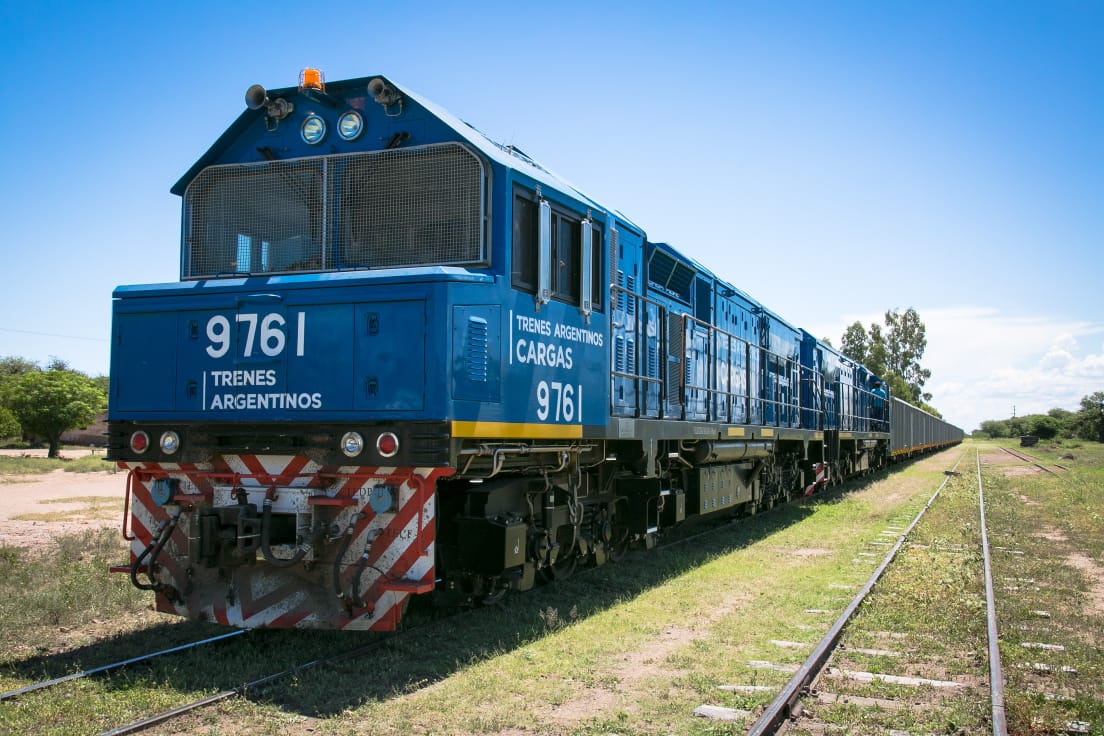
As part of its goal of maintaining the fiscal surplus at any cost, Javier Mileis government will implement a significant increase in fares for nationally regulated trains and buses starting in May, with cumulative hikes of up to 90% over the coming months. Government officials explained that their aim is to move toward a more organized, efficient, and sustainable transportation system, with less dependence on state subsidies. The announcement comes amid an unfavorable context for Milei, who is experiencing one of the lowest levels of popularity since the beginning of his administration. Among the reasons are the rising cost of living and wage losses that show no signs of recovery. Transportation, the new victim of the chainsaw The latest fare increases are the newest chapter in the large-scale fiscal adjustment being pushed by the government, which also includes recent cuts to transfers to the provinces and the university education system. In the case of trains in the Buenos Aires metropolitan region, the plan includes staggered increases of varying magnitude: an initial 18% adjustment in May, followed by monthly increases of more than 10% through September. The government recalled that in December 2023 railway fares covered only 2% of operating costs. The remaining 98% was financed through public subsidies. Currently, that coverage is around 5%, and the official projection aims for it to reach close to 10% by September. In the long term, Mileis government has the explicit goal of privatizing the railway network, including passenger transportation, although there has so far been no progress in that area. In the case of nationally regulated buses, the plan includes three consecutive 2% fare updates beginning on May 18. The transportation adjustment has been implemented since the beginning of Mileis administration. To give an idea of the scale, spending went from representing 0.49% of GDP in 2023 to just 0.04% in the cumulative total for the first quarter of 2026. According to data from the Congressional Budget Office (OPC), this is the lowest level in the last 20 years. Fare increases becoming increasingly unpopular Several consulting firms have already reported a sustained decline in the governments popularity. For example, Management & Fit found that rising prices and utility rates once again became the countrys main concern among respondents, with mentions increasing to 28.3% in April from the previous 22.8%. In addition, difficulty making ends meet once again became respondents main personal concern, rising from 21.6% to 25.2%. Mileis approval ratings also reflected this deterioration: disapproval rose from 50.7% in February to 54.3%, while approval fell even more sharply, from 46.8% to 37.2%. Wages without recovery Wage increases continue to lag behind inflation, an important detail considering that several public transportation fare hikes are adjusted according to CPI data. According to the latest report by the center-right think tank Fundacin Capital, wage increases averaged monthly rises of 2.4% in the first four months [compared to official inflation averaging 3%], and for the coming months, major unions have closed negotiations along these lines. In this context, they argued that the evolution of purchasing power will depend on whether the disinflation process resumes. Even so, they estimated that purchasing power fell by 3.5% in real terms during the first four months of the year, while for the rest of 2026 that decline could reach as much as 5%.


CONMOCIÓN: murió Rosa del Valle Rasgido
 notienredSeptember 13, 20260

Claudio Barrelier reveló por qué mató a Agostina Vega: Obsesión por la
notienredSeptember 13, 20260

Asesinaron a Alfredo Wiebel y se dieron a la fuga
notienredSeptember 13, 20260


Clima en Ciudad de Buenos Aires: sábado 12 de septiembre
Sábado en la Ciudad de Buenos Aires con una temperatura máxima de...
 WindwhistlerSeptember 13, 20260
