
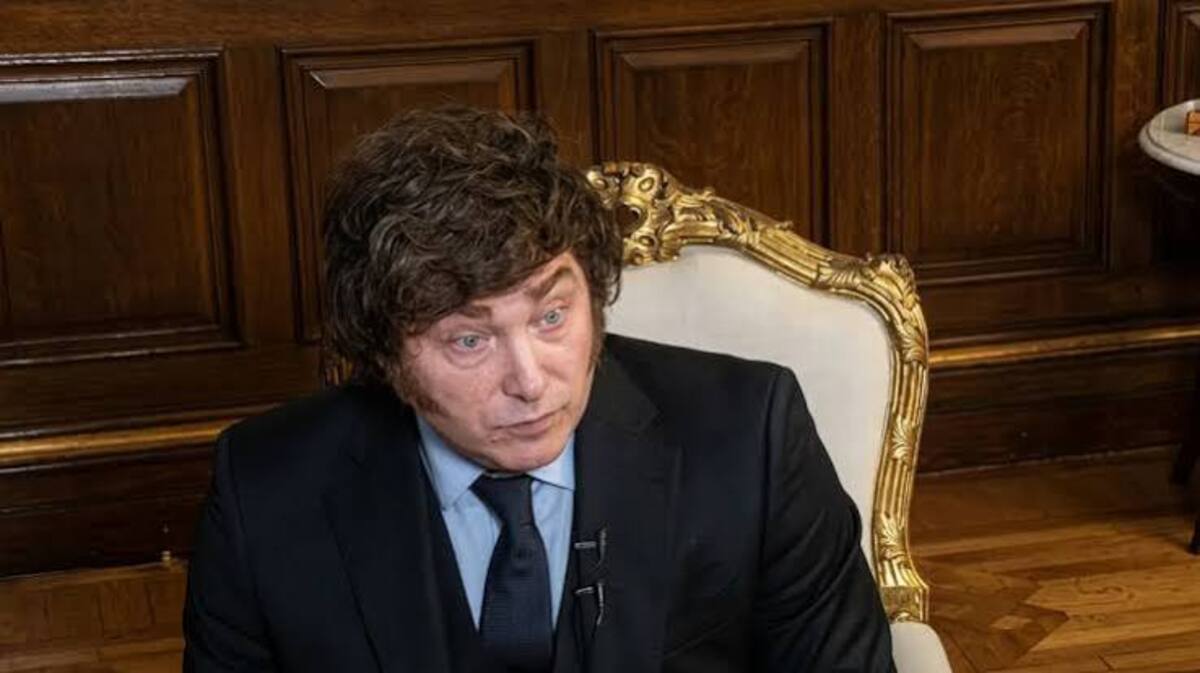
Milei says record household debt delinquency is a matter between banks and borrowers
 Buenos Aires HeraldAugust 3, 20262 Mins read
President Javier Milei said rising household debt delinquency, which has reached record levels since he came into power, should be resolved between banks and borrowers, arguing that the government should not intervene in private lending agreements. “Did someone put a gun to their heads?” he said when asked during an interview on Sunday with LN+ news channel about the high number of borrowers who had fallen behind on loan repayments. Household debt delinquency rose for the 19th consecutive month in May, reaching 12.8% of total household credit the highest level in more than two decades. At non-bank lenders such as fintech companies and digital wallets, the delinquency rate exceeds 32%, also a record high. The president ruled out measures to help indebted households, saying banks and borrowers should instead negotiate refinancing agreements. He added that improving macroeconomic conditions would lower interest rates and make refinancing more accessible. Personal loans and credit card debt have seen the sharpest deterioration since late 2024, reflecting high lending interest rates, during a run on the peso ahead of the 2025 midterm elections, and wages that remain below their pre-Milei levels. No government intervention Milei blamed the increase in delinquency on the opposition. “It is one of the side effects of the Kirchnerists’ attacks,” he said. He also argued that expecting the government to solve the problem “means passing the bill on to everyone else.” The president said anyone who takes on debt is “obviously” responsible for that decision. He added that the refinancing programs currently offered by most banks “are a matter between private parties.” “In fact, we encourage refinancing,” he said. Milei also argued that recent upgrades by three credit rating agencies would reduce Argentina’s country risk and lower borrowing costs. According to the president, this will translate into lower interest rates and longer repayment terms. “There is nothing more we can do from the macroeconomic side than what we are already doing,” Milei said, adding that slowing inflation is improving financing conditions. “Lower inflation also helps bring down interest rates and extend financing terms,” he said. “If I intervene between private parties, I’ll have to take money out of someone else’s pocket, and I think that’s wrong,” the libertarian added. “And we’re also doing a great deal because country risk, which stood at 1,500 basis points after the election, is now at 420. Let me give you one figure: with a country risk level of 500 basis points, the Argentine economy can grow between 7% and 8%,” he concluded. Minimum wage in freefall According to estimates by the Center for Studies on Education in the Argentine Republic (CIFRA), affiliated with the Argentine Workers Central Union (CTA), the minimum wage has seen a cumulative decline of more than 40% in purchasing power since the libertarian government took office. The severe impact of inflation in the first few months [of the Milei administration] caused an initial 30% decline that was not reversed; on the contrary, consecutive monthly contractions have been recorded for the past two years, the study noted. With a nominal value of AR$367,800 (US$243.5 at the official exchange rate), minimum wage purchasing power is currently 60% lower than in 2015 and 20% below the levels of the 1990s.

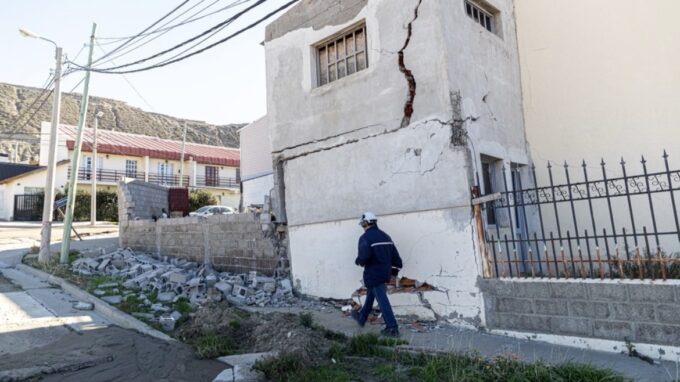
CONMOCIÓN: murió Rosa del Valle Rasgido
 notienredSeptember 13, 20260

Claudio Barrelier reveló por qué mató a Agostina Vega: Obsesión por la
notienredSeptember 13, 20260
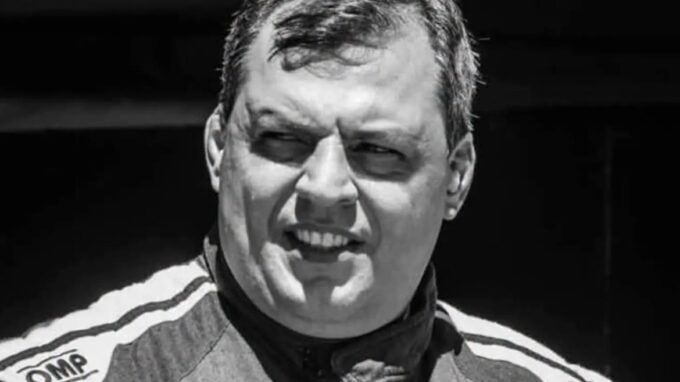
Asesinaron a Alfredo Wiebel y se dieron a la fuga
notienredSeptember 13, 20260


Clima en Ciudad de Buenos Aires: sábado 12 de septiembre
Sábado en la Ciudad de Buenos Aires con una temperatura máxima de...
 WindwhistlerSeptember 13, 20260
