
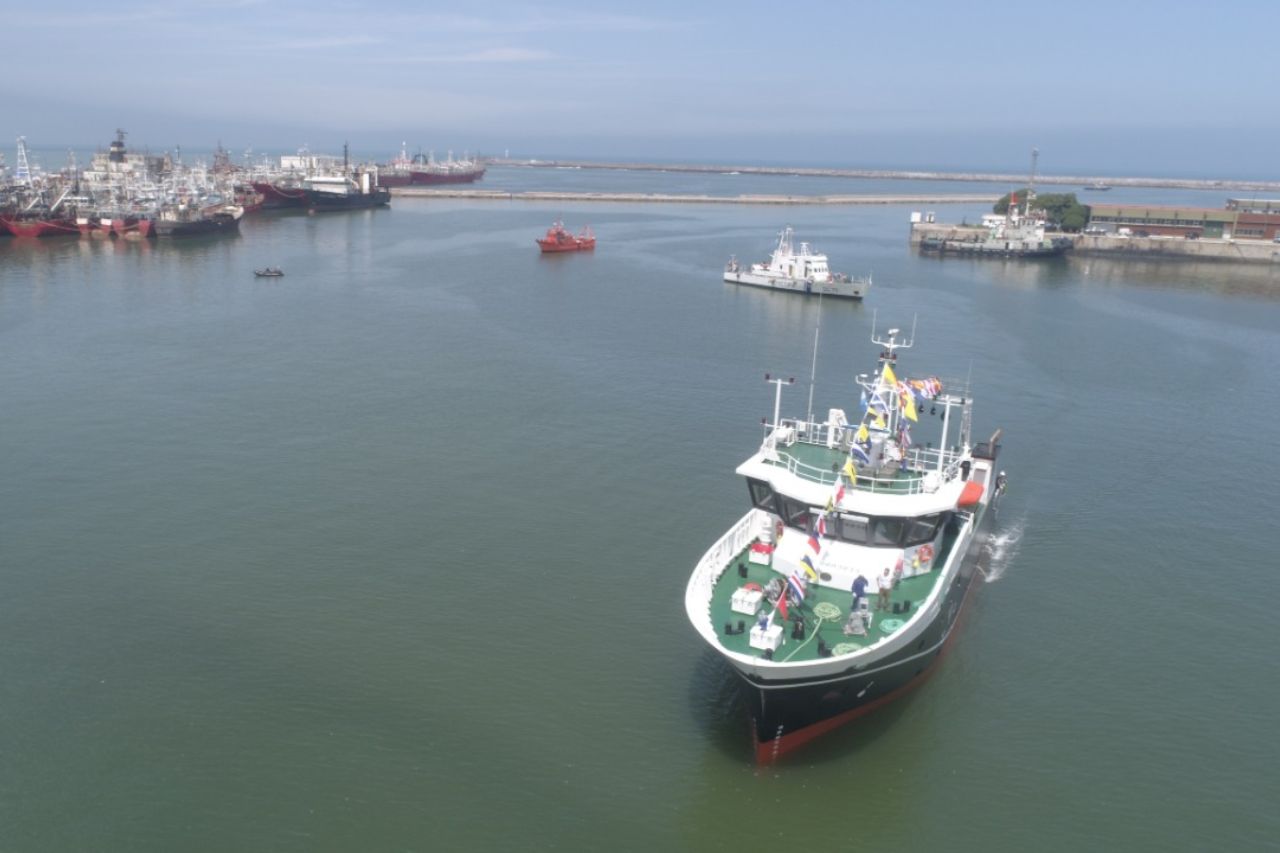
Over 150 ships stranded in Argentine waterways due to harbor pilots strike
 Buenos Aires HeraldAugust 4, 20262 Mins read
Argentina’s main ports have ground to a halt, with more than 150 ships stranded across the country’s waterways as harbor pilots and river guides have been on strike since Saturday to protest a decree issued by President Javier Milei deregulating their profession. Harbor pilots, maritime pilots, and river guides are independent professionals with specialized knowledge of local waterways. They are responsible for safely guiding Argentine and foreign vessels into and out of ports and along inland rivers, and their presence is mandatory across much of Argentina’s commercial waterway network. According to the Herald‘s sister publication mbito, sources in the agribusiness sector said more than 150 ships are unable to enter or leave ports because they require pilotage services to navigate the waterways. The disruption is affecting both domestic and international trade, as well as fuel supplies, mbito also reported. The decree The sector is protesting a decree issued last week that overhauls the regulatory framework governing maritime pilotage. The government says the measure is intended to reduce logistics costs and “improve the competitiveness of foreign trade.” Under the new rules, Argentine and foreign captains may now operate without harbor or maritime pilots if they obtain a certification demonstrating sufficient knowledge of specific waterways, enabling them to navigate without the assistance of local pilots. In response, most local pilots have stopped accepting new assignments and are only honoring services that had been contracted before the strike began. An unconventional protest The stoppage is not a traditional strike because it was not organized by a union. Harbor pilots and river guides are independent professionals rather than employees, meaning they decide individually whether to accept work. Still, the protest has the backing of the Professional Association of Captains and River Guides of the Merchant Marine union. Because it does not involve an employer-employee labor dispute, the Labor Secretariat cannot intervene to order a mandatory conciliation process that would temporarily suspend the protest. Over the weekend, the Argentine Coast Guard notified maritime pilots that they must return to work or face possible sanctions, including criminal complaints. However, the Association of Captains and River Guides told its members that the Security Ministry and the Presidency’s Legal Secretariat had expressed their intention to open talks. Still, the union said it will only enter negotiations if the decree is repealed or suspended. Nevertheless, government sources told mbito they are considering tougher measures if the protest continues, including filing criminal complaints and imposing lifetime bans on providing pilotage services for those who maintain the stoppage. Safety concerns The association also expressed its “concern” about the decree’s potential impact on navigational safety, as well as the protection of human life and the environment. “This Association believes that, once professionals have fulfilled the commitments they had already undertaken, they should not accept new assignments until conditions are in place that provide the legal and operational certainty necessary to carry out their work,” it said in a statement. The organization added that it is not seeking “confrontation” but rather “warning about the risks that could arise when an essential navigation safety service is provided in a context of regulatory uncertainty regarding professional, civil, and criminal liability.” “The duties of the pilot or local guide cannot be considered replaceable by the vessel’s command when technical and regulatory circumstances require the intervention of these specially qualified professionals.”


CONMOCIÓN: murió Rosa del Valle Rasgido
 notienredSeptember 13, 20260

Claudio Barrelier reveló por qué mató a Agostina Vega: Obsesión por la
notienredSeptember 13, 20260

Asesinaron a Alfredo Wiebel y se dieron a la fuga
notienredSeptember 13, 20260


Clima en Ciudad de Buenos Aires: sábado 12 de septiembre
Sábado en la Ciudad de Buenos Aires con una temperatura máxima de...
 WindwhistlerSeptember 13, 20260
