
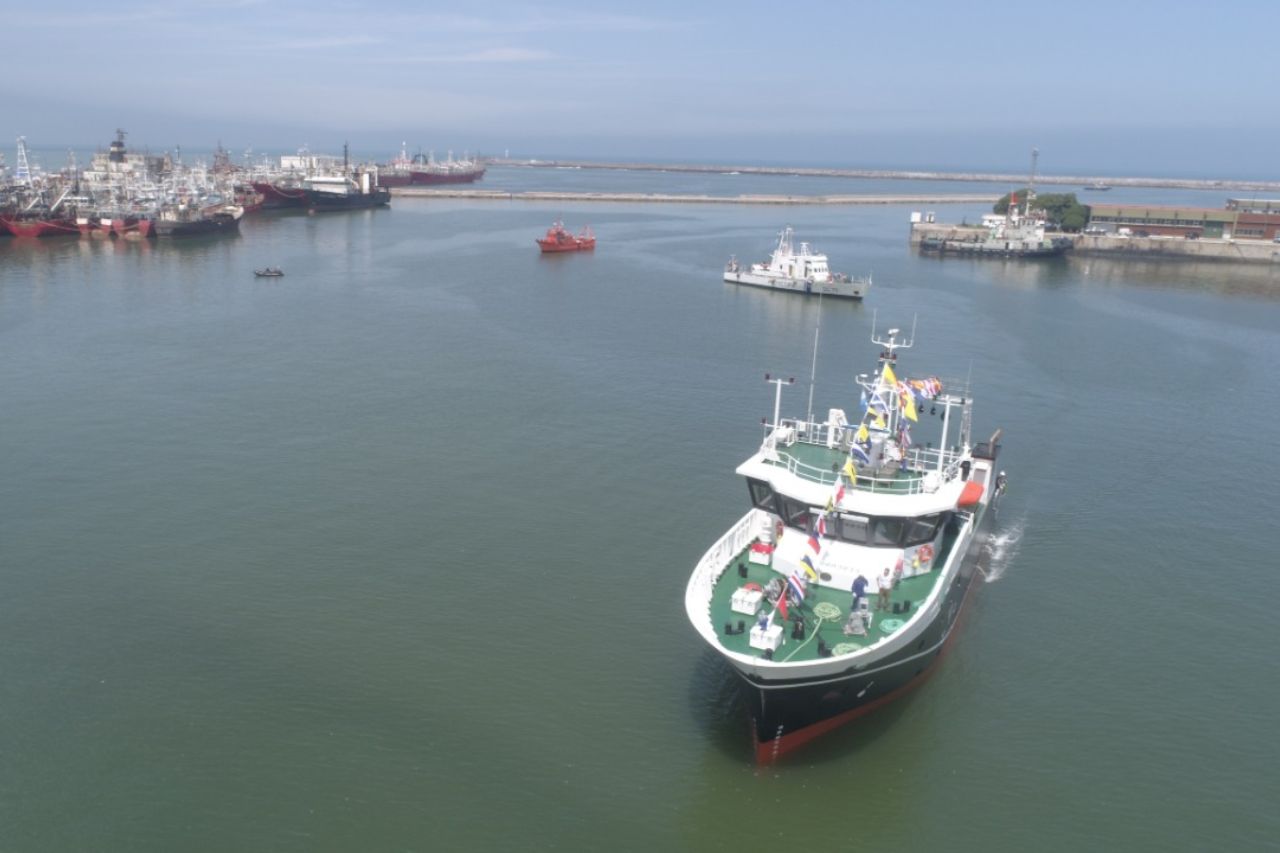
Port strike lifted as government, maritime pilots reach agreement
 Buenos Aires HeraldAugust 5, 20262 Mins read
The strike halting operations across Argentine ports was lifted on Tuesday as the government reached an agreement with representatives of the maritime pilot sector conducting the protests. The agreement was based on protestors agreeing to reduce their rates by 20% and immediately resuming navigation assistance services. The decision will allow port operations — which had been disrupted by a strike that had left more than 150 ships stranded — to return to normal. The government, on the other hand, decided to suspend the implementation of a decree deregulating pilotage and harbor pilot services. The agreement also calls for the establishment of a joint working group to review various industry aspects. The conflict Harbor, river, and sea pilots across Argentina launched an open-ended strike on Saturday, protesting a presidential decree deregulating the sector and allowing some vessels to operate without their services. The presence of mandatory pilots is mandatory on much of Argentina’s commercial waterway network, meaning trade could be partially disrupted if the strike continues. Over the weekend, harbor and maritime pilots received notifications from the Argentine Naval Prefecture ordering them to report for duty to provide “mandatory service” after the strike was announced on Saturday. The notice said authorities were aware that companies providing pilotage services were “currently unable to provide assistance due to the lack of available harbor pilots.” It added that pilotage is “a regulated public service” overseen by the Naval Prefecture and warned that failure to comply with the order could result in criminal complaints carrying prison sentences of between two and eight years, as well as administrative sanctions. The decree Drafted by Deregulation Minister Federico Sturzenegger and signed by President Javier Milei, the decree that the maritime pilots were protesting against overhauls the regulatory framework governing maritime pilotage with the stated aim of lowering logistics costs and “improving the competitiveness of foreign trade,” which the government says has been constrained by rules set in place since 1991. Issued last week, the decree substantially deregulated the sector. While both Argentine and foreign captains must still have access to navigational and maneuvering advisory services, the new law allowed them to operate without harbor or maritime pilots if they could demonstrate sufficient familiarity with the waterways where they are sailing. In a statement released Friday, the government said the reform eliminated “regulatory barriers,” promoted “greater competition among service providers,” and updated rules that had remained “unchanged for more than three decades.” According to the government, the new framework removed “obsolete” requirements, encouraged new entrants into the pilotage market, and allowed users to “freely hire” pilots. The decree also eliminated the cap on the number of certified pilots, which the government said would increase the supply of qualified professionals. “The system had created barriers to entry for service providers, reducing competition and driving up prices,” Sturzenegger said in the statement. “With the new framework, we are eliminating those restrictions to foster greater competition and reduce costs that affect Argentina’s foreign trade.”



CONMOCIÓN: murió Rosa del Valle Rasgido
 notienredSeptember 13, 20260

Claudio Barrelier reveló por qué mató a Agostina Vega: Obsesión por la
notienredSeptember 13, 20260

Asesinaron a Alfredo Wiebel y se dieron a la fuga
notienredSeptember 13, 20260



Clima en Ciudad de Buenos Aires: sábado 12 de septiembre
Sábado en la Ciudad de Buenos Aires con una temperatura máxima de...
 WindwhistlerSeptember 13, 20260
