
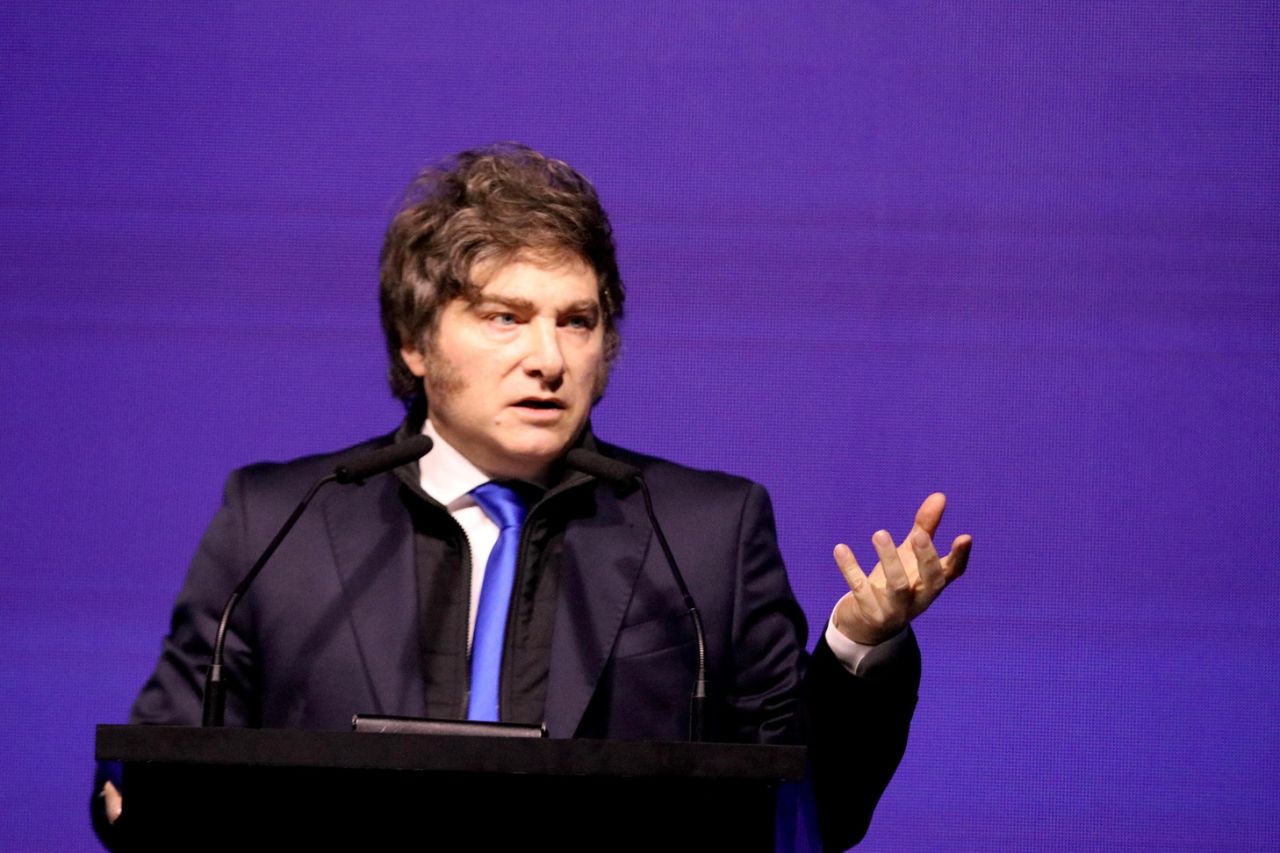
The dollar is stable and exports are booming. Why is Mileis popularity in the toilet?
 Martina JaureguyAugust 23, 20266 Mins read
President Javier Milei has fulfilled some of the main promises he made during the 2023 election campaign: he has significantly lowered inflation, stabilized the dollar-peso exchange rate, maintained his zero-deficit goal, and, in addition, boosted exports to a record high. But if the economy is doing so well, why is his popularity plummeting? Polls suggest that, for many Argentines, the improvements have yet to reach their pockets as they struggle to make ends meet. In addition to the economic situation, what appears to have triggered the decline is the corruption scandal involving former Chief of Staff Manuel Adorni. The case broke in February, sparking widespread backlash and leading many to believe that Adorni was also part of the “political caste” that Milei had promised to fight. According to several surveys conducted in July and early August, Milei’s image and approval ratings are among their worst since he rose to power almost three years ago, despite Adorni’s resignation in late June. Milei is now one of the political leaders with the worst public image, with some surveys even showing him as the least popular. The results of polls by four consulting firms analyzed by the Herald show that between 53% and 61% of respondents have a negative image of the president, while only around 30% to 39% have a positive opinion of him. According to consulting firm Zuban Córdoba, 61.3% of respondents have a negative perception of Milei, while 33.4% have a positive opinion. Approval of his administration also stands at 33.4%, while 65.3% disapprove of his government’s performance. A survey by consulting firm Latam Pulse found that 62.4% of respondents disapprove of Milei’s performance as president, while 37.1% approve. Both figures are at their lowest levels since Milei took office. Latam Pulse Argentines’ evaluation of his government is also at some of its worst levels, with 54.7% saying the current administration is bad or very bad, and 30.1% saying it is good or excellent. The peak in terms of negative perception was in April, with 59%. Latam Pulse Zentrix’s July report shows that Milei’s positive image has fallen to its lowest level in almost a year, at 30.9%, while approval of his administration is now 13 points below the 45% recorded in February. Since then, “the trend reversed without pause,” leading six out of 10 Argentines to disapprove of the government’s actions, Zentrix said. “The gap between approval and disapproval — more than 27 points — is one of the widest of the year and reflects a ruling party that has lost the upper hand in shaping public sentiment.” “For an administration that built its legitimacy on the promise of economic stability, the sustained erosion of support for its performance is the most telling sign that the initial consensus is wearing thin,” the agency said. A steady increase in negative opinion Lara Goyburu, head of consulting firm Management & Fit, highlighted that while Milei’s personal image suffered “a more dramatic decline” than the approval of his administration as a whole between February and July, the latter is more concerning for the government. “People may have a bad opinion of a leader, but that doesn’t necessarily translate into votes,” she told the Herald. Management & Fit’s latest survey shows that approval of the government has stabilized at 37% in recent months after dropping from 46.8% in February. Goyburu added that “until February, Milei was the leader with the best public image for the last two years,” but his positive image has since fallen while his negative ratings have risen by roughly the same amount. The gap between negative and positive opinions of the president has widened to 23 points — similar to that of his political nemesis, former President Cristina Fernández de Kirchner. “I believe this downfall has to do with a combination of many things that have happened over the past six months, things that are starting to wear down the public’s patience regarding when those economic changes are going to happen,” Goyburu said. “The final blow was what happened with Adorni.” The Adorni scandal The former chief of staff and presidential spokesman is under investigation for illicit enrichment. Reports about large expenditures began emerging in February and March, including luxury trips and the purchase of two properties that he had failed to declare in his asset statements as a public official. He has denied the accusations, and Milei has publicly backed him on several occasions. However, amid huge public backlash, he finally stepped down in June, but the damage was done. Coverage of Adorni’s finances flooded the news for four months and had a greater impact on the public than previous corruption scandals involving the government. But for Goyburu, this does not explain the drop in Milei’s approval ratings; rather, it acted as a catalyst. “Adorni’s case had an effect not so much because corruption concerns Argentines, but rather because of the contrast between his lavish lifestyle and an increasingly pressing economic context,” the analyst said, in reference to Milei’s infamous “chainsaw” slashing of public spending. “People thought: ‘I’ve been making a lot of effort to make ends meet, and it turns out that one of Milei’s pledges, to put an end to the political caste, is a lie.’” According to Management & Fit’s survey, people’s main concern is inflation (22.4%), followed by corruption (17.9%) and unemployment (17.6%). Other surveys analyzed by the Herald show corruption is at the same level or even higher than economic issues in terms of what society is more worried about or what they believe are Argentina’s main problems. Concern and distrust The surveys show a generalized sense of distrust in the government, along with concern about both the country’s economic situation and people’s own financial circumstances. According to the Latam Pulse report, 70% of Argentines believe the country’s economic situation is bad, while 60% say their own family is struggling financially. In addition, 73% believe the job market is going through a bad period, and most expect it to worsen. According to the Zentrix poll, 62% of people have taken on debt in the past six months, while 66% run out of money by the 20th of the month or earlier. The Management & Fit study also found that 60% do not trust the government. “This economic discontent, rather than specific political incidents, appears to be emerging as one of the main channels through which social unrest is ultimately directed at Javier Milei’s administration,” Zentrix said. You may also be interested in: Milei denies Argentines can’t make ends meet and unemployment is soaring Goyburu highlighted that rising prices and utility costs remain at the top of the list of what people consider the country’s main problem, followed by corruption. “This means that concern about corruption depends on the economic situation, and the latter is not improving,” she said. “People had been willing to endure the cuts and austerity because they believed this administration was managing public resources better than previous governments. But Adorni’s case finally broke that trust,” Goyburu said. Everyday economy The analyst added that, until February, “people were not demanding that the government translate the improvements in the macroeconomy into the microeconomy so vehemently.” Today, however, those demands appear to be a top priority for Argentines. Many say they cannot make ends meet or are taking on debt to compensate for the loss of purchasing power their salaries have suffered. “Seven out of 10 say they have some type of debt, and they get those loans to cover monthly expenses or to pay off other debts.” While Milei has succeeded in lowering inflation from 211% in 2023 under President Alberto Fernández to 34% over the past 12 months, Argentines are still not feeling the impact of that improvement in their daily lives, as salaries have lagged behind increases in prices and the cost of basic services for much of Milei’s administration. “It’s one thing to curb inflation and another to end it,” Goyburu pointed out. “Eight out of 10 people have to cut spending due to the economic crisis.” “In May 2025 they said they had stopped buying clothes or going to restaurants. Now, they say they have stopped buying beef or paying some services.” Despite their economic discomfort, however, polls show that no political alternative is emerging to rival Milei, with the next presidential election just one year away.

CONMOCIÓN: murió Rosa del Valle Rasgido
 notienredSeptember 13, 20260

Claudio Barrelier reveló por qué mató a Agostina Vega: Obsesión por la
notienredSeptember 13, 20260

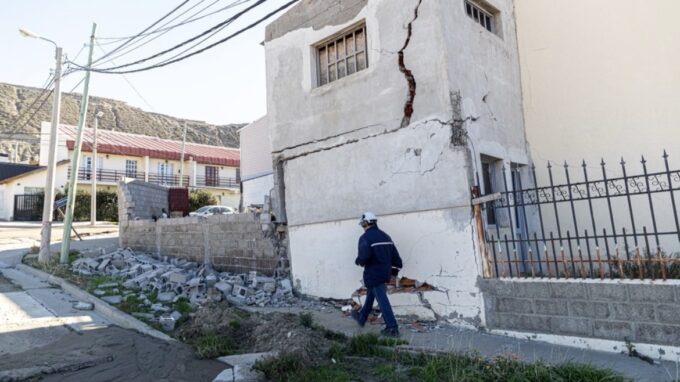
Asesinaron a Alfredo Wiebel y se dieron a la fuga
notienredSeptember 13, 20260


Clima en Ciudad de Buenos Aires: sábado 12 de septiembre
Sábado en la Ciudad de Buenos Aires con una temperatura máxima de...
 WindwhistlerSeptember 13, 20260
