
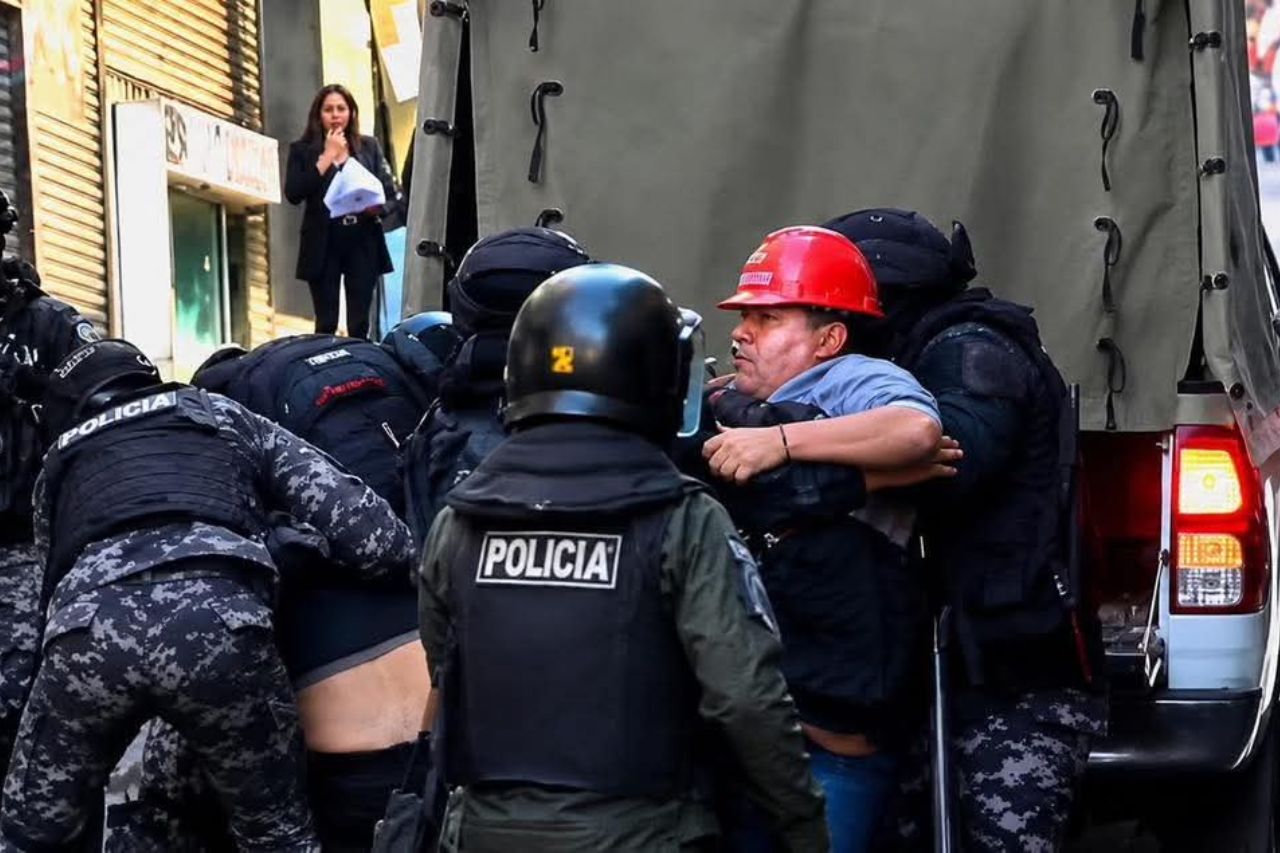
US accuses protesters in Bolivia of destabilizing government of Rodrigo Paz
 Buenos Aires HeraldMay 18, 20263 Mins read
The United States backed Bolivian President Rodrigo Paz as the country undergoes the third week of nationwide protests, riots and roadblocks that have led to a critical shortage of fuel, food and medicine in La Paz, the seat of the government. In an X post, the U.S. Bureau of Western Hemisphere Affairs warned that the protests have caused a “humanitarian crisis.” “We condemn all actions aimed at destabilizing the democratically elected government of Rodrigo Paz and support it in its efforts to restore order for the peace, security, and stability of the Bolivian people,” the bureau wrote. In Bolivia, riots and blockades have created a humanitarian crisis, causing shortages of medicine, food and fuel. We condemn all actions aimed at destabilizing the democratically elected government of @Rodrigo_PazP and support it in its efforts to restore order for the peace,…— Bureau of Western Hemisphere Affairs (@WHAAsstSecty) May 17, 2026 A critical situation Just six months into his government, centrist Paz is facing a serious political crisis, as workers from varied sectors are demanding salary raises and the stabilization of the economy. Many are also protesting against an alleged plan to privatize public companies, although the Bolivian government has stated they have no intention of moving in that direction and said such comments are “fake news.” While the protests began in early May, tension reached a peak last week, when workers escalated the riots and began calling for the newly elected president to resign. They clashed with police and were cracked down upon with tear gas. Among the sectors leading the protests are miners’ cooperatives, indigenous groups, farmers, teachers, transport workers, the Bolivian Workers’ Central — the country’s largest work federation — and followers of former President Evo Morales. Paz is the first president who doesn’t belong to the Movimiento al Socialismo (MAS) since Morales, its founder, took office in 2006. Although the Bolivian government is undergoing negotiations with several of those sectors to see to their demands, the blockades persist, leaving the capital city, La Paz, virtually isolated. Bolivia has been facing a serious economic crisis for the past three years due to a drop in its gas exports, which led to a shortage of fuel and dollars. Interannual inflation marked 14% in April. Milei’s support Due to the shortage of basic goods caused by the road blocks, Argentina decided to provide humanitarian aid by sending food in a Hércules C-130 plane over the weekend. Paz took to X to thank President Javier Milei for “the invaluable support provided to Bolivia” and helping “protect the lives and well-being” of its citizens. It was Paz’s first post in almost a week. “This gesture of solidarity not only strengthens the historic bonds of fraternity between our nations, but also provides vital relief to our communities in times of great need,” Paz wrote. Milei replied back, saying that “Argentina stands with the Bolivian people and supports the democratically elected authorities in the face of those who seek to destabilize and obstruct the path to freedom and progress.” Mi más profundo agradecimiento al presidente @JMilei por el invaluable apoyo brindado a Bolivia con el envío de los aviones Hércules para tareas de asistencia humanitaria. Este gesto de solidaridad no solo fortalece los históricos lazos de hermandad entre nuestras naciones, sino…— Rodrigo Paz Pereira (@Rodrigo_PazP) May 16, 2026 On Friday, the governments of Argentina, Chile, Peru, Ecuador, Costa Rica, Paraguay, Panama, and Honduras issued a joint statement to express their concern on the situation in Bolivia. “We reject all actions oriented at destabilizing democratic order,” they said. Colombian President Gustavo Petro, on the other hand, has backed the protests, calling them “popular insurrection.” He also offered for his country to act as a mediator to reach a peaceful solution, which Bolivia rejected. Evo Morales While the Bolivian government has linked the riots to ex President Morales, he rejected the accusations and backed the protests. “People exercising their right to freedom of expression and protest is not an attack on democracy,” he posted on X. Thousands of Morales supporters reached La Paz on Monday after marching for six days towards it to demand the Bolivian president’s resignation. The government has refused to negotiate with them. “They can march if they do so peacefully, but we will take action if they commit crimes,” said interior vice minister Hernán Paredes. Cover photo credit: Evo Morales on X
CONMOCIÓN: murió Rosa del Valle Rasgido
 notienredSeptember 13, 20260

Claudio Barrelier reveló por qué mató a Agostina Vega: Obsesión por la
notienredSeptember 13, 20260
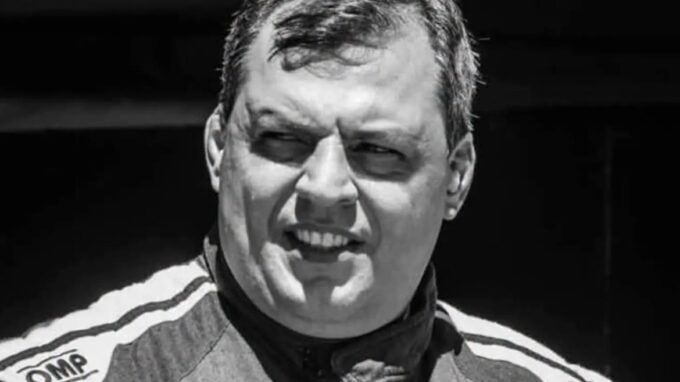
Asesinaron a Alfredo Wiebel y se dieron a la fuga
notienredSeptember 13, 20260


Clima en Ciudad de Buenos Aires: sábado 12 de septiembre
Sábado en la Ciudad de Buenos Aires con una temperatura máxima de...
 WindwhistlerSeptember 13, 20260
