
Argentine asado went from British remnant to Michelin Guide material. And it continues to evolve
 Agustin MangoNovember 16, 20256 Mins read
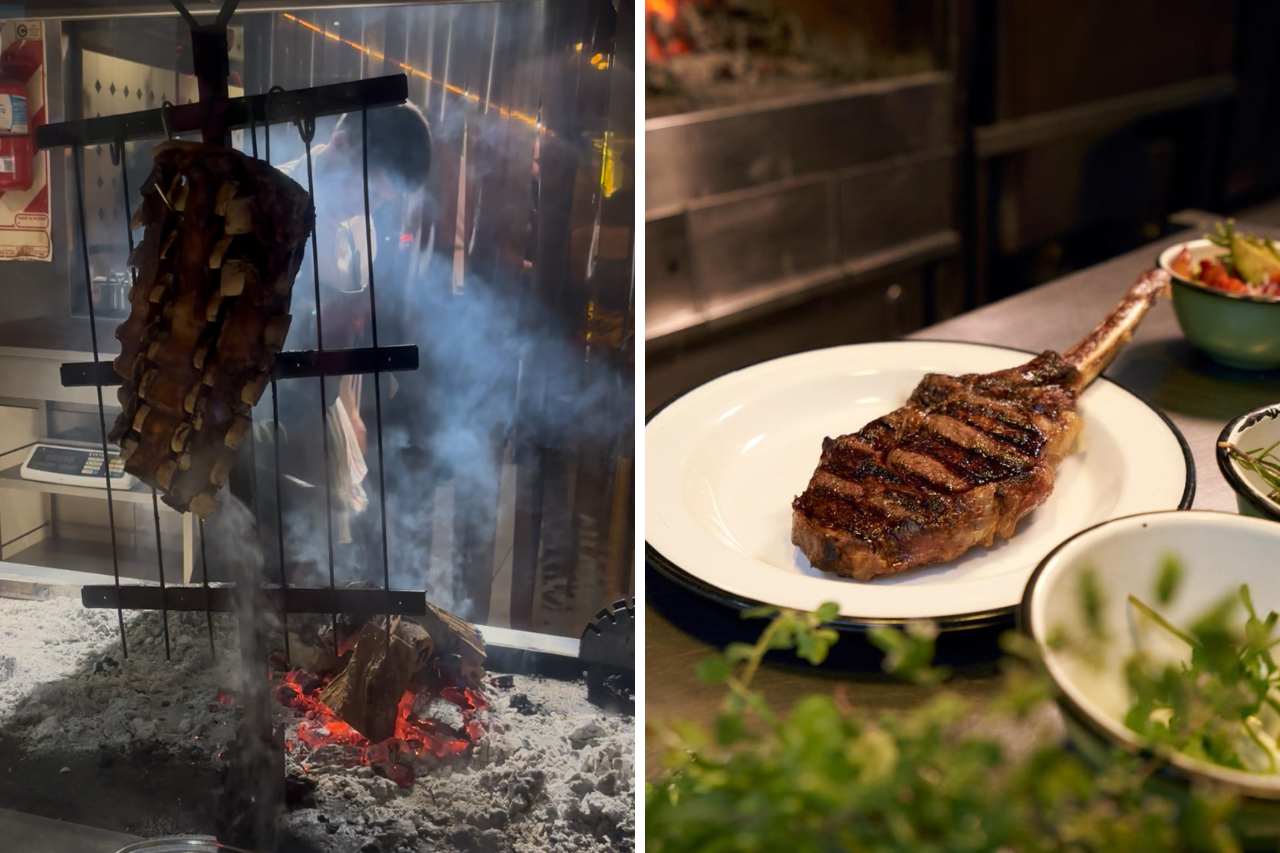
Argentine asado is arguably the country’s most traditional ritual. A humble enterprise at heart, you only need fire, a grill, and a few meat cuts to put together a long meal, coupled with a healthy, Malbec-fueled sobremesa. But barbecuing meat has never remained a fixed practice, shifting over the decades from rural experience to high cuisine capable of topping world rankings and enticing young chefs all over the country. From a cheap popular meal to Michelin Guide material, asado has come a long way. In order to chart that journey, the Herald decided to unpack some secrets of this dearest of Argentine obsessions. We decided to start at the beginning, when the cuts Argentines know and love were not on anybody’s wish list. Quite the opposite in fact: they were remnants from British exports. But first, a brief disclaimer on what we mean by “asado.” Literally speaking, asado is a past form of the verb asar, which can mean to roast, to grill or to barbecue. It can also be used as a noun, as in hacer un asado (cooking a barbeque). There is also a third meaning for the term in Argentina: asado as a particular meat cut, the most popular one, which any self-respecting asador should include on their parrilla — or iron cross spit, the most traditional way of making a barbeque in the country. Asado (costillar) The asado cut — basically the cow’s ribcage, also known as costillar when grilled as a single large piece — was originally a discard of the British-owned beef industry, which settled in Argentina and became the main buyers of local beef back in the 19th century. “The first meatpackers that set up shop here were British,” says Hernán Méndez, the butcher in charge of Piaf, a shop that supplies many of the finest restaurants in Buenos Aires. Together with chef Mariana Hernández, he also runs Kanka, a parrilla in Palermo where he offers a special asado-tasting menu that includes a thorough explanation of its history and secrets. Hernán Méndez Already settled and active in the leather export business, the British brought to the country cattle races like Hereford, Shorthorn, and Aberdeen Angus, which provided abundant and quality meat, once technological progress like wirefences and refrigeration were introduced. “When people started looking at it from an industrial perspective, thinking about meat, in the late 1800s and early 1900s, that’s when quality animals started to come in, and a commercial vision began to emerge,” he explained. Because British meatpackers privileged the meat they could can, like corned beef, the asado cut was discarded as it was too expensive to debone considering its low yield (a costillar is basically half bone, half meat). For nations like Britain, canned meat provided a good solution to deliver proteins to soldiers on battle fields. Faced with the prospect of losing the remnants of what they didn’t use, the British companies opted to sell the ribcage to local butchering stations. And since demand for those cuts was non-existent outside the country, the asado cut became a staple of local food and kicked off the tradition as we have come to know it today. Asado at Estancia Ernestina, 1905 – Credit: Archivo General de la Nación From that moment on, the Argentine barbeque has mostly revolved around classic cuts like asado (short ribs), vacío (flank), and bife de chorizo (sirloin). There are other countless classics, from chorizo (sausage) and morcilla (blood sausage) to achuras (entrails), which also began as throwaways. Initially eaten only by slaves in slaughterhouses, molleja (sweet bread), riñón (kidney), and chinchulín (chitlins) have also made it up the culinary ladder and become staples of local asados. And the list just keeps on growing. Entraña, a forgotten cut turned premium favorite Nowadays, there is no Argentine asado without the entraña. Tasty, lean, and easy to cook, it’s a fan favorite like no other. But it wasn’t always like this. For decades, it held little commercial value. The entraña — the muscular pillars that help the animal breathe — weighs barely over a kilo in a 500-kilo cow. Butchers often kept it for themselves or sold it cheaply, as it didn’t affect the price of a media res the way prime cuts like ribeye or flank did. Things started to change in the 1990s, as meat exports surged during the market-friendly presidency of Carlos Menem. Meatpackers found themselves with more and more boxes of entraña piling up in their cold storage areas. Searching for an outlet to their entraña surplus, meatpacking plants turned to the bustling grill eateries along the Buenos Aires’ Costanera Norte, a string of restaurants bordering the Río de la Plata that served a huge number of patrons. It was there that the cut found its audience, skyrocketing to become a premium choice in parrillas across the city. The secreto and other secret cuts While short ribs have remained the essence of parrilla culture, the entraña shows how asado habits have also evolved. For example, picaña, a cut that weighs around 700 or 800 grams and was unknown to Argentines until the late 1990s, is now pretty common. “For a long time it was just sold here as cuadril, until people started traveling to Brazil in the 90s, where picanha is very popular, and realized it was something special,” Méndez told the Herald. In recent years, local butchers and chefs have also begun championing what they call “alternative cuts”. According to Méndez, they’re smaller, more affordable, and often overlooked, yet their taste and cooking possibilities have found new followers among younger parrilleros and chefs. Here’s a breakdown of a few of them Medialuna de vacío or falsa entraña: Found at the border between the vacío (flank) and the rib section. Marucha: A muscle located above the shoulder blade. Its international equivalent, the flat iron steak, has become popular thanks to U.S. trends. Intercostales or ‘dedos’ (fingers): Small strips of meat between the ribs that remain after deboning the ribeye — tender and perfect for grilling. Secreto: Authored by Méndez himself, it sits above the ojo de bife (ribeye) and below the escápula (shoulder blade). It’s a rectangular, thick piece similar to a high-cut steak, prized for its juiciness and only available at Piaf. Picaña (left) and Marucha (right) An evolving tradition Buenos Aires’ bustling and expanding restaurant scene has also led to barbecue restaurants offering more premium choices than the average neighborhood parrilla. This has also resulted in a sort of “recategorization” of classic cuts, with boutique butcher shops offering the most special parts of each cut. This means that items like asado del medio — the middle section of the rib cage, which often has a bigger meat-to-bone ratio — or ojo de vacío or ceja, which used to be merely parts of existing cuts, are now being offered in boutique butcher shops and served in high-end parrillas. You may also be interested in: Herald favorites: parrillas around Buenos Aires “The ojo de vacío is not an alternative cut, like the medialuna or the secreto,” Méndez explained. Rather, it is a specific part of the vacío (flank steak) offered and marketed as a separate cut. Some restaurants also serve something known as the ceja of the ribeye, which Méndez describes as the gist or essence of that particular cut. The global market also continues to play a role in the appearance of new cuts. While the 1990s introduced us to the picanha via Argentine travelers to Brazil, and gave us the entraña because there was no foreign market for it, the most recent years have brought us the Tomahawk. While the cut is ubiquitous in the U.S., it was practically unknown in Argentine butcher shops 5 or 6 years ago. “These new cuts that follow North American nomenclatures landed here because of online networks, through the globalization of communication,” says Méndez. At the end of the day, however, Argentines will never discriminate against any cut, no matter where it comes from. “In our culture, there has always been a piece of meat and an outdoor area where you can light some fire wood and make an asado,” he adds.


Conectividad regional, auge de escapadas y la pasión por el turismo deportivo del viajero argentino
El pulso del turismo emisivo en la Argentina atraviesa un momento de...
 WindwhistlerOctober 13, 20260

El último tiro cambió todo: pescó un pez elefante y ganó $ 20.000.000
Promediando el cierre de la semana pasada los pronósticos parecían tronchar la...
WindwhistlerOctober 13, 20260

Así rescataron a un cachorrito de lobo marino de un pelo en los médanos de Miramar
Un sorpresivo y emotivo procedimiento de preservación ambiental conmovió por completo a...
WindwhistlerOctober 13, 20260



Proyectan exportaciones récord del agro en 2027, pero advierten que aún faltan dólares para el año electoral
A un año de las elecciones presidenciales, la pregunta sobre si estarán...
WindwhistlerOctober 13, 20260
