
How Argentine rock stood up to the dictatorship and gained massive popularity
 Marcelo Fernandez BitarMarch 19, 20265 Mins read
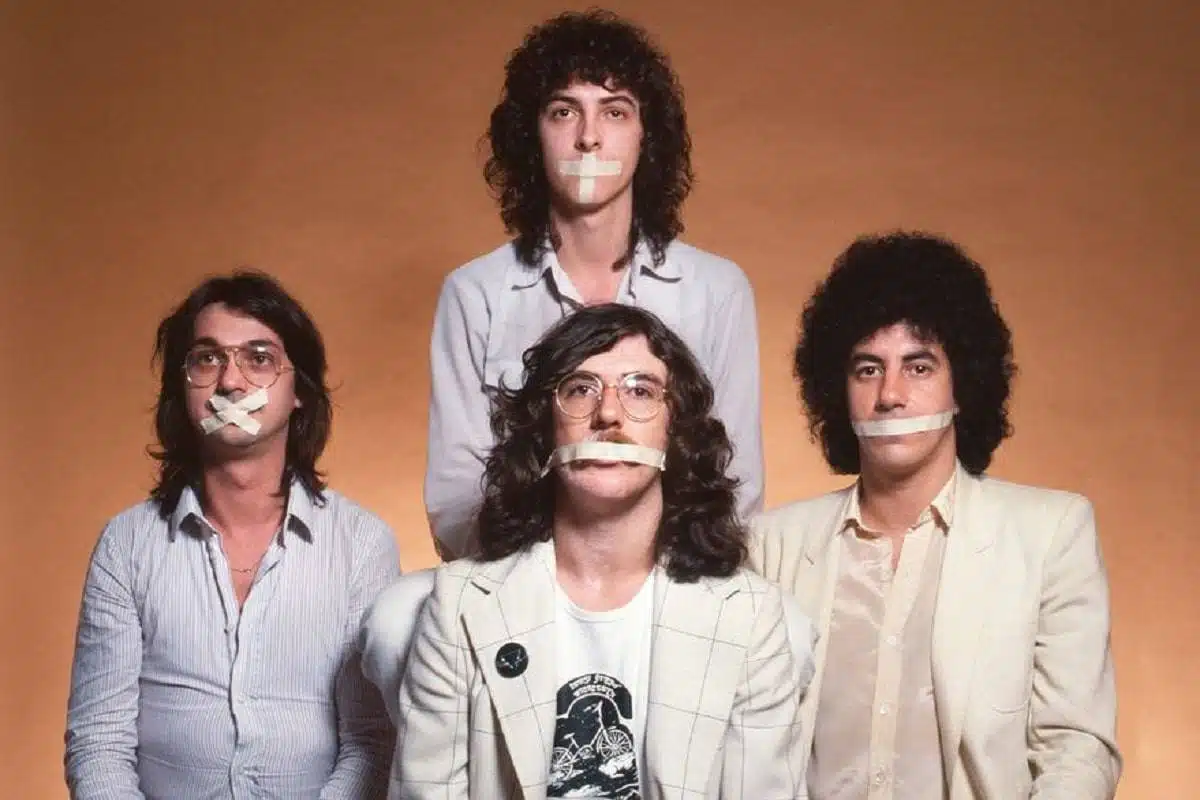
Fifty years after the military coup of March 24, 1976, the rock scene in Argentina has grown to a dimension that nobody could have ever foreseen. Nowadays, both local and international acts have sold-out shows in huge football stadiums, and pioneer artists have become cultural icons with dozens of songs that reach four generations of fans. Back in the mid-70s, things were quite different. Argentine rock artists only attracted a small crowd of devoted music lovers in dingy clubs and posh theaters that featured them on unusual dates, even Sunday mornings. Bands rarely enjoyed airplay, and promotion was based almost entirely on word of mouth, with two rock magazines and a handful of radio programs spreading information about the new sounds that were being created. Argentine rock seemed relegated to a cult following and was even resisted by tango and folklore acts that criticized the American and English origins of rock and roll hits. During the civil-military dictatorship, which lasted till 1983, the police raided concerts many times, and both artists and audience were taken into custody for background checks, sometimes spending a whole weekend in jail, where long hair was usually turned into a crew cut. However, the local rock scene, which had only just been born a decade earlier, would play a key part in the cultural resistance to the dictatorship. Six decades of rock In 2026 Argentina not only commemorates 50 years since the coup that ushered in the last military regime. It also celebrates 60 years of rock history, a history that encompasses inspired artists, anonymous heroes, rich anecdotes, an assorted slew of landmark albums and shows, plus an enormous playlist of songs that have become classics. It all began in the mid-Sixties, when the powerful wave of Beatlemania and Beat literature hit many teenagers, and a handful of young composers decided to write their own songs in Spanish with lyrics focused on their dreams and worries, always with a distinctly Argentine flavor and point of view. In this Argentina was a trailblazer: in other Hispanic countries, the first rockers sang simple translations of American and English hits. A rare single, Rebelde (Rebel), released by a band called Los Beatniks on June 2, 1966, is considered the Rosetta stone of rock nacional, thanks to verses where they sang, “People call me a rebel and my heart is rebellious. I am free and they want to make me a slave to tradition, so let’s change guns for love and make a better world.” A year later, another song, La Balsa (The Raft), became the first nationwide success thanks to a new group called Los Gatos (The Cats), led by prolific singer-songwriter Litto Nebbia, who still plays throughout the country at age 77. Record companies slowly inked a few artists, and by 1970 a first batch of albums were released by bands named Almendra, VoxDei, Manal, and Arco Iris, plus solo artist Moris, former singer of Los Beatniks. Many of their songs included adventurous musical references to tango and folklore, creating a unique mixture of elements. Artists’ resistance During all these milestone baby steps, the country was governed by a military regime, which lasted from 1966 to 1973, when a brief period of democracy returned with presidents Héctor Cámpora and Juan Domingo Perón. But a new dictatorship period began in March 1976, with a bloody regime that killed, kidnapped, tortured, and “disappeared” thousands of citizens. Many popular musicians and actors had to flee the country after receiving direct threats or being tipped off that they were about to be taken by the police, sometimes leaving their homes overnight. Rock stars were no exception. Some of the artists that had to flee were Moris, Litto Nebbia, and protest singer Miguel Cantilo. Those who stayed in Argentina soon discovered that censors were clumsy and could not distinguish metaphors with cryptic references to social issues. Rock icon Charly García sang “What can we do except watch movies?” in 1977, and his band Serú Girán recorded a song about “Paranoia and loneliness” in 1979. Except for the military, everyone understood what he was really talking about. Some of the songs of this period became landmarks. Folk singer-songwriter León Gieco described a massacre of animals killing each other in Tema De los Mosquitos (Song about the mosquitos) in 1978 and managed to get it published, but he soon received a death threat to stop singing another song that criticized the government for shutting down universities. In 1980, Serú Girán recorded Canción de Alicia en el país (Song about Alice in the country), which seemed to talk about the main character of Lewis Carroll’s Alice in Wonderland, but was actually a crude description of Argentina: “Who knows, Alice, this country wasn’t made for nothing. If you’re going to leave, you’re going to go out, but if you stay, where else are you going to go? Here the tongue twister tongues twist, the killers kill you, and it’s too much.” Charly García’s inspired lyrics included direct references to nicknames of dictators and even verses like “Don’t tell what’s behind that mirror; you won’t have power, lawyers, or witnesses.” He got away with it and repeated the trick in 1983 with Los dinosaurios (The dinosaurs), where he sang about los desaparecidos (the disappeared). Rock poet Luis Alberto Spinetta also talked about the desaparecidos in his lovely Maribel se durmió (Maribel fell asleep) in 1983 with his band, Spinetta Jade. Punk group Los Violadores (The Violators) recorded their hit Represión with the chorus “Repression all around your home, repression in the store on the corner, repression 24 hours per day.” Retro-pop band Los Twist described a random police background check in a playful tone. Argentine fans relished these songs, and concerts began to be considered a space of peaceful resistance to the military, where a popular chant about the end of the dictatorship surfaced at every show and couldn’t be silenced. In a 2022 radio interview with 92-year-old Taty Almeida, one of the leaders of the Mothers of Plaza de Mayo, García said that, “During the dictatorship I wasn’t afraid because I was invisible to them; I fooled them a lot.” Unexpected boom in times of war During the 1982 war with Great Britain over the Malvinas islands in the extreme south of the continent, the military decided to ban songs in English. Radio DJs soon rediscovered old and new Argentine rock albums and gave them intense airplay. A rock festival shown live on TV was organized to receive donations for the soldiers, featuring the most important artists, but the idea backfired: the closing song was the pacifist anthem Algo De Paz composed by Raúl Porchetto, and it was soon discovered that the supplies never reached the young soldiers on the battlefront and were sold by the military. From those months onwards, a new generation of rock stars gained huge visibility. Acts like Zas, La Torre, Alejandro Lerner, and Soda Stereo soon became household names, recorded albums that were certified with multiplatinum sales, and played all around the country. Zas’s frontman Miguel Mateos sang, “If they play Argentine music, it doesn’t mean they’ve realized that a country’s culture lies in its people,” in a song with a chorus that said, “You need balls in Argentina.” Soda Stereo celebrated “the regime has ended!” in a pun where guitarist Gustavo Cerati coyly seemed to be singing about a diet. Meanwhile, pioneers García, Gieco, Luis Alberto Spinetta, and Raúl Porchetto experienced a sudden massive popularity that they had never enjoyed during the previous decade. Others returned from exile, began performing live, and discovered that the military censors had unexpectedly become lenient. On February 1983, eight months after losing the Malvinas war, general Reynaldo Bignone announced a democratic election would be held in October, marking the end of the dictatorship Argentine rock flourished from then onwards, with each successive generation of fans and artists taking the music a step further, gaining massive popularity and a well-deserved recognition as a true cultural phenomenon of Argentina. Editorial disclaimer: Although the UK refers to the territory as the “Falkland Islands,” Argentina strongly contests this name. The Buenos Aires Herald uses “Malvinas” to refer to the islands. Main photo: INAMU/Rubén Andón


CONMOCIÓN: murió Rosa del Valle Rasgido
 notienredSeptember 13, 20260

Claudio Barrelier reveló por qué mató a Agostina Vega: Obsesión por la
notienredSeptember 13, 20260
Asesinaron a Alfredo Wiebel y se dieron a la fuga
notienredSeptember 13, 20260


Clima en Ciudad de Buenos Aires: sábado 12 de septiembre
Sábado en la Ciudad de Buenos Aires con una temperatura máxima de...
 WindwhistlerSeptember 13, 20260
