
Chinese culture is an untapped source of soft power
 Maria Clara MartorelloAugust 28, 20263 Mins read
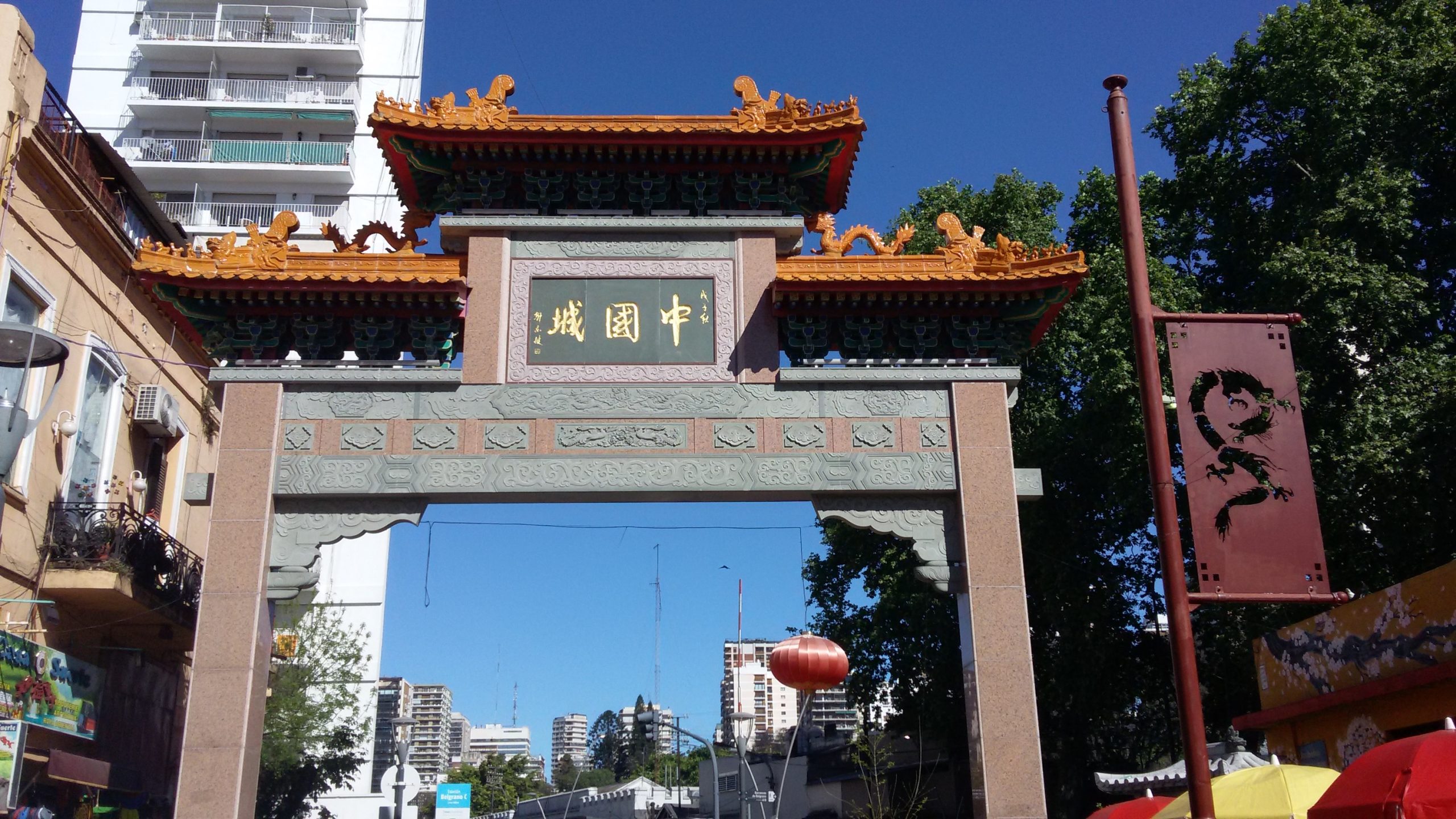
This piece is part of the Argentine-Chinese Chamber of Commerce’s monthly column in the Buenos Aires Herald. Soft power is a concept developed by Joseph Nye that refers to a state’s ability to influence others through interest and affinity, rather than resorting to the economic or military coercion characteristic of hard power. This influence can be built through culture and customs, with the aim of encouraging others to want to learn about, consume, and adopt elements of a society. In an increasingly connected world, culture has become a key tool for building that influence. Some countries have fully grasped the potential of soft power. South Korea has succeeded in spreading its culture beyond its borders through K-pop, TV series, cuisine, fashion, and cosmetics. Japan has done something similar with manga, anime, video games, and sushi, which are now part of the global cultural imagination. What’s interesting is that this influence works because it isn’t perceived as a strategy. No one listens to K-pop or eats sushi to get closer to these countries geopolitically. They are cultural products that people enjoy, that spark curiosity, and that pique interest in the societies that produce them. What do we think about when we think of China The idea of Chinese soft power brings to mind things like cuisine, martial arts, pandas, the Great Wall, and the Chinese New Year. None of these things, however, has a reach comparable to that of K-pop or anime. This is interesting because, far from lacking culture, China has one of the world’s oldest civilizations and a massive industry linked to film, television, music, literature, video games, and digital platforms. The challenge lies in transforming that cultural richness into products capable of taking root in the everyday imagination of Western societies. Chinatown and the Lunar New Year celebrations In Argentina, there is one exception that no one can deny: Chinatown in Belgrano. In that neighborhood, Chinese culture has ceased to be something distant and has become a tangible experience. The cuisine, the shops, the flavors, and especially the Lunar New Year celebrations bring this culture closer to thousands of Argentines. Year after year, these celebrations draw larger crowds and spark curiosity even among those with no prior connection to China. What was once a space associated primarily with the Chinese community is now also a gathering place. Chinatown and the New Year celebrations are likely one of the most successful expressions of Chinese soft power in our country, as they are not a foreign policy tool but rather a cultural experience that fosters this much-needed connection. The cuisine, the celebrations, and direct interaction serve as a gateway that sparks interest in China. However, this curiosity does not necessarily translate into a greater understanding of China’s contemporary culture. Chinese music, film, TV series, and other cultural expressions still have a limited presence. We know a great deal about China as an economic, technological, and geopolitical power, but very little about its culture, society, and customs. This scenario lays out a paradox, as China may be omnipresent in the news while, at the same time, remaining largely absent from our cultural imagination. The challenge ahead Comparisons with South Korea and Japan are inevitable. Both countries succeeded in bringing their cultures to the world through products that sparked interest in their societies. China possesses a wealth of culture, but it must still transform it into a presence capable of fostering emotional connection. The challenge of Chinese soft power lies not only in helping the Western world learn more about China, but also in fostering a genuine cultural connection that becomes part of everyday life. Belgrano’s Chinatown demonstrates that this gateway exists and has already sparked curiosity. The question is whether China will succeed in transforming that interest into something deeper: music we want to listen to, movies we want to watch, and stories we can relate to. Cover photo: Barrio Chino in Belgrano (Credit: Wikimedia)

Conectividad regional, auge de escapadas y la pasión por el turismo deportivo del viajero argentino
El pulso del turismo emisivo en la Argentina atraviesa un momento de...
 WindwhistlerOctober 13, 20260
El último tiro cambió todo: pescó un pez elefante y ganó $ 20.000.000
Promediando el cierre de la semana pasada los pronósticos parecían tronchar la...
WindwhistlerOctober 13, 20260

Así rescataron a un cachorrito de lobo marino de un pelo en los médanos de Miramar
Un sorpresivo y emotivo procedimiento de preservación ambiental conmovió por completo a...
WindwhistlerOctober 13, 20260


Proyectan exportaciones récord del agro en 2027, pero advierten que aún faltan dólares para el año electoral
A un año de las elecciones presidenciales, la pregunta sobre si estarán...
WindwhistlerOctober 13, 20260
